Australia’s skylines are changing at a pace not seen in decades. From inner-city residential towers to major transport interchanges and regional infrastructure upgrades, construction activity is increasingly vertical, dense, and technically complex. At the centre of this transformation sits a longstanding question for builders, regulators, and the public alike: how safe is modern tower crane hire compared to more traditional lifting methods?
Crane safety has become a focal point not only because of the scale of contemporary projects, but because failures can have severe consequences in populated urban environments. Understanding how tower cranes compare with mobile and conventional lifting approaches requires an examination of technology, regulation, and on-site practice within Australia’s evolving construction sector.
The Strategic Role of Tower Cranes in Australian Construction
Tower cranes have become synonymous with large-scale urban development. Their ability to lift heavy loads to significant heights over extended periods makes them indispensable for high-rise residential, commercial, and mixed-use projects. In major cities such as Sydney, Melbourne, and Brisbane, tower crane hire is often a structural necessity rather than a logistical preference.
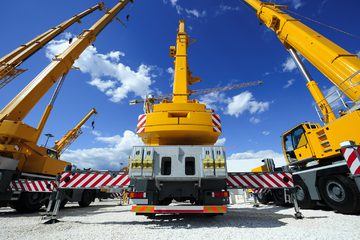
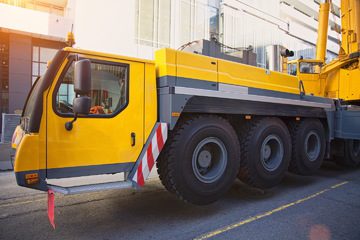
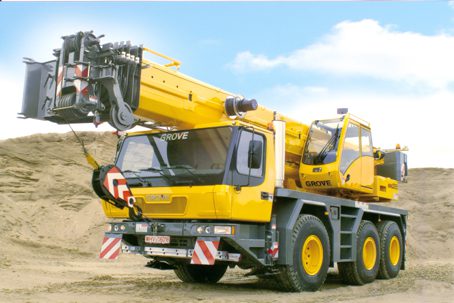
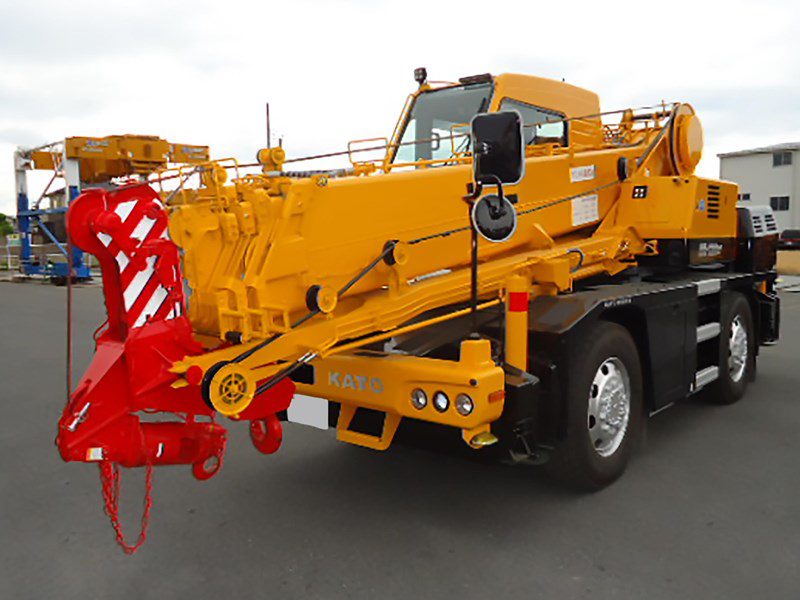
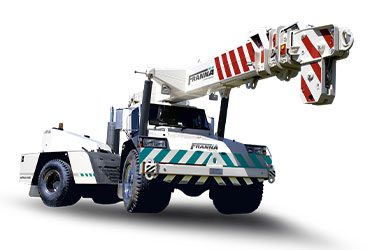
By contrast, traditional lifting methods, including smaller mobile cranes and site hoists, are typically deployed for lower-rise construction, short-duration tasks, or projects with limited spatial constraints. These systems remain vital, particularly in regional and semi-rural developments where project scale does not justify permanent crane installation.
In areas experiencing steady growth outside metropolitan cores, crane hire southern highlands operations illustrate how lifting strategies adapt to context. Projects in these regions often balance efficiency with flexibility, relying on mobile lifting solutions while still incorporating tower cranes for hospitals, education facilities, or multi-storey developments where height and reach are critical.
Comparing Safety Profiles: Tower Cranes Versus Traditional Lifting
Safety outcomes in lifting operations are shaped less by the type of crane alone and more by how systems are designed, installed, operated, and regulated. Tower cranes differ fundamentally from traditional mobile cranes in that they are fixed, engineered structures designed for long-term use on a single site.
Modern tower crane hire involves extensive pre-installation engineering. Foundations are designed to suit soil conditions, wind loads, and surrounding structures, with calculations certified by qualified engineers. Once erected, the crane operates within defined load charts, wind thresholds, and exclusion zones that remain consistent throughout the project lifecycle.
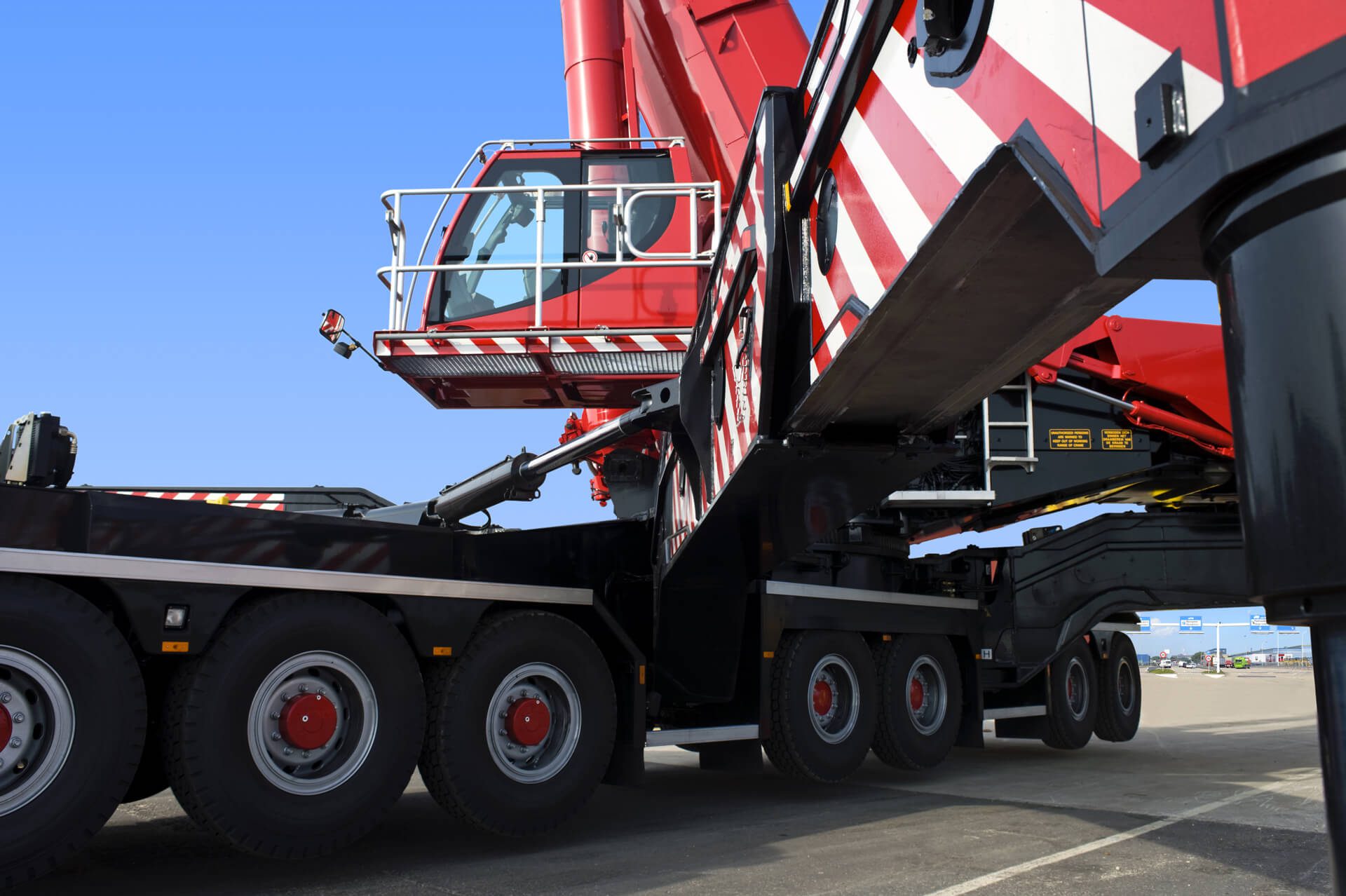
Traditional lifting methods, while generally less complex to deploy, involve more frequent repositioning. Mobile cranes are transported, set up, dismantled, and moved between sites, increasing the number of high-risk activities such as rigging, outrigger deployment, and load testing. Each mobilisation introduces new variables, including ground conditions and nearby hazards.
Statistically, many serious crane incidents in Australia have been linked to setup and dismantling phases rather than routine lifting operations. In this respect, the permanence of tower cranes can reduce certain categories of risk, provided installation and maintenance are conducted in strict accordance with standards.
Regulatory Oversight and Australian Safety Frameworks
Australia maintains a comprehensive regulatory framework governing crane operations, with enforcement shared between state and territory authorities. Safe Work Australia provides national guidance, while bodies such as SafeWork NSW and WorkSafe Victoria oversee compliance at the operational level.
Tower crane hire is subject to rigorous controls under Work Health and Safety regulations. These include mandatory design registration for tower cranes, formal inspection regimes, and licensing requirements for operators and riggers. Australian Standards such as AS 2550, which addresses safe use of cranes, and AS 1418, covering crane design, form the technical backbone of compliance.
Traditional lifting equipment is regulated under the same legislative umbrella, but enforcement challenges differ. Mobile crane operations can vary widely between sites, particularly in regional areas where oversight resources may be stretched. This variability places greater emphasis on contractor diligence and operator competence.
In both contexts, regulators increasingly focus on systems of work rather than isolated equipment faults. Risk assessments, method statements, and site-specific safety plans are now central to compliance, reflecting a shift toward proactive risk management.
Technological Advances Improving Crane Safety
Advances in technology have significantly narrowed the safety gap between different lifting methods, while also enhancing the reliability of tower crane systems. Modern tower cranes are equipped with load moment indicators, anti-collision systems, and wind speed monitoring that provide real-time feedback to operators.
Anti-collision technology is particularly relevant in dense urban environments where multiple cranes may operate in close proximity. These systems reduce the likelihood of jib or load clashes, a risk that was historically managed through procedural controls alone.
Mobile cranes and other traditional lifting equipment have also benefited from innovation, including improved stabilisation systems, electronic load monitoring, and telematics that track usage and maintenance. However, the integration of these technologies can be inconsistent, particularly across older fleets.
The increasing use of digital planning tools, such as Building Information Modelling, has further enhanced safety by allowing lifting operations to be simulated before work begins. This trend applies equally to tower crane hire and crane hire southern highlands projects, demonstrating how digital oversight is reshaping industry practice across geographic contexts.
Operator Competency and Human Factors
No lifting system is immune to human error. Operator competency remains one of the most critical determinants of crane safety, regardless of equipment type. Australia’s licensing regime requires tower crane operators to hold high-risk work licences, supported by ongoing training and competency assessments.
Tower cranes demand specialised skills, particularly in managing load swing, visibility limitations, and communication with doggers and riggers on the ground. While traditional mobile crane operators face different challenges, including frequent setup and terrain assessment, both roles require a high level of situational awareness.
Fatigue management has emerged as a growing concern, especially on large projects operating extended hours. Regulators increasingly scrutinise rostering practices, recognising that even advanced safety systems cannot compensate for impaired human performance.
Urban Density and Community Risk Considerations
One of the defining differences between tower cranes and traditional lifting methods lies in their interaction with the surrounding environment. Tower cranes often operate above public spaces, neighbouring buildings, and transport corridors, elevating the potential impact of failures beyond the construction site.
To address this, planning approvals for tower crane hire typically include strict conditions relating to oversailing, exclusion zones, and emergency response planning. Councils and state planning authorities may require independent engineering reviews and community risk assessments before approval is granted.
Traditional lifting methods, while generally confined within site boundaries, are not without public risk, particularly when operating near roads or utilities. The distinction lies in predictability. A fixed crane operating under known parameters may present a more manageable risk profile than frequent short-term lifts conducted in varying conditions.
Weighing Safety Outcomes in Practice
Assessing whether modern tower crane hire is safer than traditional lifting ultimately depends on context. For large, long-duration, high-rise projects, tower cranes often provide a more controlled and engineered solution, reducing repetitive high-risk activities associated with mobilisation.
Conversely, for smaller projects or those in constrained regional settings, traditional lifting methods may offer sufficient safety with greater flexibility. In regions served by crane hire southern highlands providers, project scale and duration often dictate the most appropriate approach rather than a universal safety hierarchy.
What is clear is that Australia’s regulatory environment, combined with technological advancement, has significantly improved safety outcomes across all crane operations. The emphasis has shifted from equipment choice alone to integrated systems that encompass design, training, monitoring, and enforcement.
A Sector Defined by Risk Management
Modern construction will always involve risk, particularly as projects grow taller and more complex. The comparison between tower cranes and traditional lifting methods illustrates how safety is shaped by engineering discipline, regulatory oversight, and human competence rather than by machinery in isolation.
As Australia continues to urbanise and invest in infrastructure, the question is less about which lifting method is inherently safer and more about how effectively each is managed within its intended context. In that sense, the evolution of tower crane hire reflects a broader industry trend: safety as a system, not a single decision.