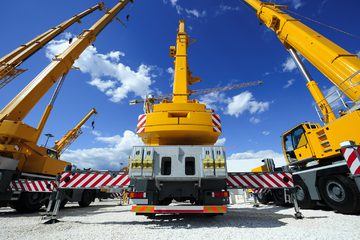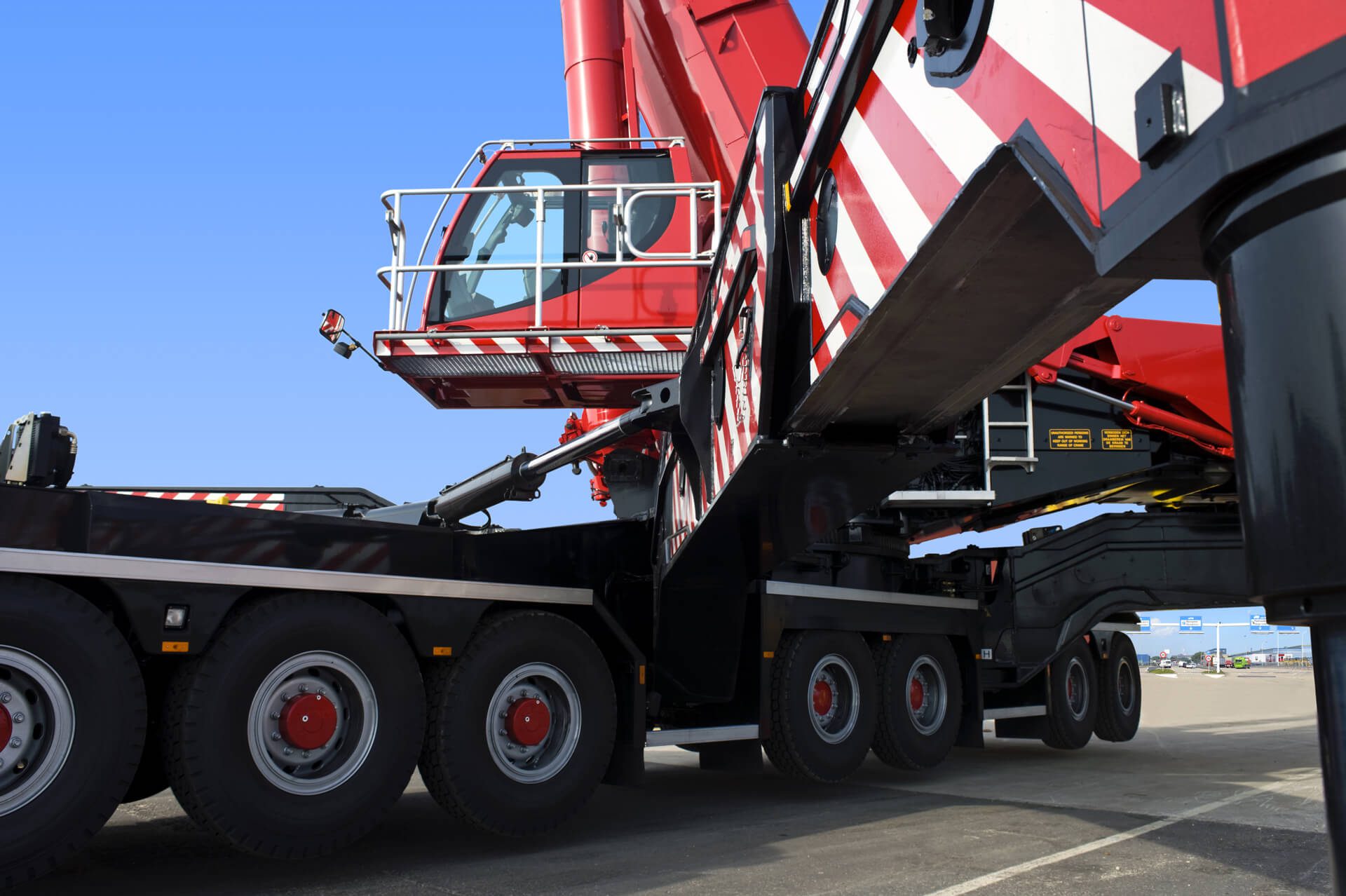
Australia’s construction sector is under sustained pressure to deliver projects faster, safer, and within increasingly constrained urban footprints. From high-rise residential towers in Sydney and Melbourne to transport infrastructure across growing regional corridors, the margin for inefficiency has narrowed. Within this environment, decisions about lifting equipment have become strategic rather than purely operational. The use of tower crane hire and complementary solutions such as franna crane hire Sydney reflects broader shifts in how construction sites manage risk, productivity, and compliance.
This article examines how crane hiring models influence on-site safety and construction speed, situating these practices within Australia’s regulatory, technological, and urban development context.
The Strategic Role of Tower Cranes in Modern Australian Construction
Tower cranes have become emblematic of Australia’s urban growth. Their vertical reach and fixed-position operation allow projects to build upward while maintaining a relatively compact ground footprint. In dense city centres, this capability is not optional but essential. Tower crane hire enables contractors to match crane specifications precisely to project height, load requirements, and site constraints without committing to long-term ownership.
From a strategic standpoint, tower crane hire supports phased construction planning. Cranes are installed early, integrated into digital build schedules, and removed once structural works are complete. This flexibility is particularly relevant in mixed-use developments and infrastructure-adjacent projects, where sequencing errors can cascade into costly delays. By contrast, mobile lifting solutions such as franna crane hire Sydney are typically deployed for shorter-duration tasks, including material positioning, plant relocation, and modular installation, often complementing tower crane operations rather than replacing them.
Safety Outcomes in Vertical and High-Density Worksites
Safety remains the dominant driver behind crane selection on Australian sites. Tower cranes reduce the need for repeated mobile crane movements, which are statistically associated with higher interaction risks between plant, workers, and the public. Once erected, a tower crane operates within a defined radius and height envelope, allowing safety controls to be standardised and closely monitored.
Australian Work Health and Safety legislation, enforced through state-based authorities such as SafeWork NSW and WorkSafe Victoria, places strict obligations on principal contractors to manage lifting risks. Tower crane hire arrangements typically include detailed lift planning, operator certification, and maintenance regimes aligned with AS 2550 (Cranes, hoists and winches – Safe use) and AS 1418 (Cranes, hoists and winches – Design and construction). These standards establish expectations around load limits, wind monitoring, emergency procedures, and inspection intervals.
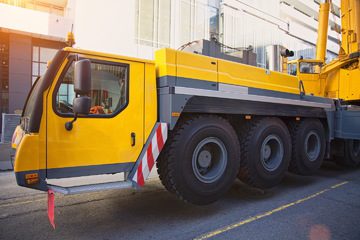
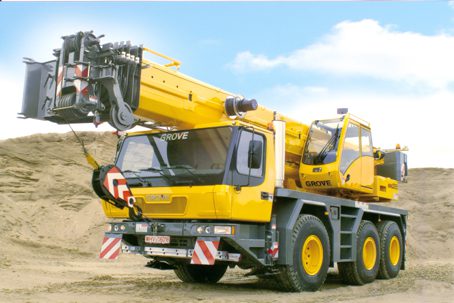
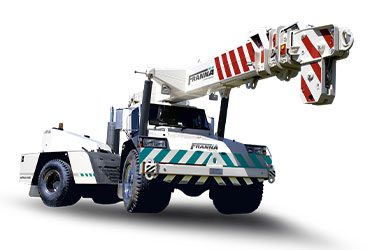
In comparison, franna crane hire Sydney is often selected for sites where mobility is critical but space is limited. Franna cranes are designed to lift and travel with loads, reducing the number of separate handling stages. When deployed correctly, this can lower manual handling risks and shorten exposure times. However, their safe use depends heavily on operator skill, ground conditions, and traffic management planning, particularly in live urban environments.
Speed and Productivity Gains Through Integrated Lifting Strategies
Construction speed is increasingly measured not only in calendar days but in predictability. Tower crane hire contributes to this by enabling continuous vertical logistics. Materials can be lifted directly from delivery zones to point-of-use locations, reducing intermediate storage and double handling. This streamlining is especially valuable in high-rise construction, where vertical transport often becomes the critical path.
Digital scheduling tools now allow tower crane operations to be synchronised with formwork cycles, concrete pours, and prefabricated component installation. Anti-collision systems, load sensors, and real-time wind monitoring reduce stoppages caused by uncertainty or manual checks. These technologies, increasingly standard in Australian projects, enhance both safety and tempo.
Franna crane hire Sydney plays a different but complementary role in productivity. On infrastructure and industrial sites, franna cranes are frequently used to reposition heavy components quickly between work zones. Their ability to self-load and travel short distances reduces reliance on multiple machines and crews. While not suited to sustained vertical lifting, their speed in horizontal movement can materially improve overall site flow when integrated into broader lifting plans.
Comparing Crane Deployment Across Project Types
Different construction typologies demand different crane strategies. High-rise residential and commercial towers rely heavily on tower crane hire due to height requirements and restricted access. In these settings, cranes often operate for months or years, becoming central to the site’s logistics system.
Infrastructure projects, including road upgrades, rail works, and energy installations, tend to favour mobile solutions. Franna crane hire Sydney is common in metropolitan infrastructure projects where components must be installed rapidly during limited possession windows or night works. These cranes offer agility, but their effectiveness depends on clear exclusion zones and well-defined travel paths.
Hybrid projects, such as urban renewal precincts, often combine both approaches. Tower cranes manage core structural works, while franna cranes support ancillary tasks. The distinction is less about superiority and more about suitability, with safety and speed emerging from alignment between crane capability and task requirements.
Regulatory Oversight and Compliance in Australia
Australia’s crane operations are subject to one of the more comprehensive regulatory frameworks globally. Beyond national standards, state regulators require high-risk work licences for crane operators, doggers, and riggers. Tower crane hire arrangements typically include evidence of compliance with licensing, plant registration, and major inspection regimes, often audited by independent engineers.
WorkSafe authorities have increasingly focused on crane-related incidents, particularly those involving overturning, load drop, or structural failure. As a result, documentation, lift studies, and communication protocols have become more rigorous. These requirements can slow mobilisation but ultimately contribute to safer and more predictable operations.
For franna crane hire Sydney, compliance challenges often centre on traffic interaction and ground bearing capacity. Urban sites must coordinate crane movements with local councils, transport authorities, and, in some cases, police. These layers of approval reflect the heightened public risk profile of mobile lifting in dense environments.
Technological Advancements Shaping Crane Safety and Speed
Technology has reshaped crane operations over the past decade. Modern tower cranes are increasingly equipped with automated safety systems that limit slewing into restricted zones, prevent overloads, and provide operators with enhanced situational awareness. Data collected from these systems is now used to analyse near misses and optimise lift planning.
Similarly, franna cranes have benefited from improved stability systems, ergonomic operator cabins, and telematics that track usage patterns and maintenance needs. These innovations align with broader industry moves toward data-driven safety management, supported by government initiatives promoting digital construction methods.
The adoption of Building Information Modelling has further integrated crane planning into early design stages. By simulating crane positions and lift paths, project teams can identify conflicts before work begins, reducing on-site adjustments that often compromise safety or schedule.
Balancing Efficiency, Cost, and Risk
While crane hire decisions are influenced by cost, the broader calculus increasingly accounts for risk and time certainty. Delays caused by crane incidents, regulatory breaches, or inefficient logistics can outweigh initial savings. Tower crane hire, when aligned with project scale and duration, offers stability and throughput that support predictable delivery.
Franna crane hire Sydney, used judiciously, provides flexibility and responsiveness, particularly in constrained or fast-moving work zones. The challenge for project managers lies in integrating these tools within a coherent lifting strategy rather than treating them as interchangeable options.
Conclusion: Safety and Speed as Strategic Outcomes
The relationship between crane hire, safety, and speed is neither accidental nor purely mechanical. In Australia’s construction sector, it reflects deliberate choices shaped by regulation, technology, and urban form. Tower crane hire has become a cornerstone of vertical construction, offering controlled, continuous lifting that supports both worker safety and project momentum. Complementary solutions such as franna crane hire Sydney address mobility and responsiveness, particularly in complex metropolitan environments.
As Australian cities continue to densify and infrastructure demands grow, the strategic deployment of cranes will remain central to how projects balance efficiency with responsibility. In this sense, cranes are not merely tools of construction but indicators of how an industry manages risk while striving to build faster and safer.