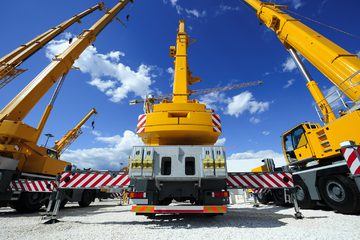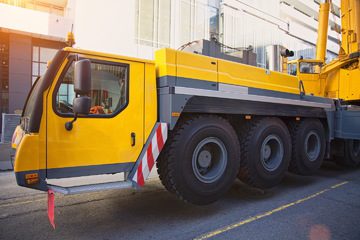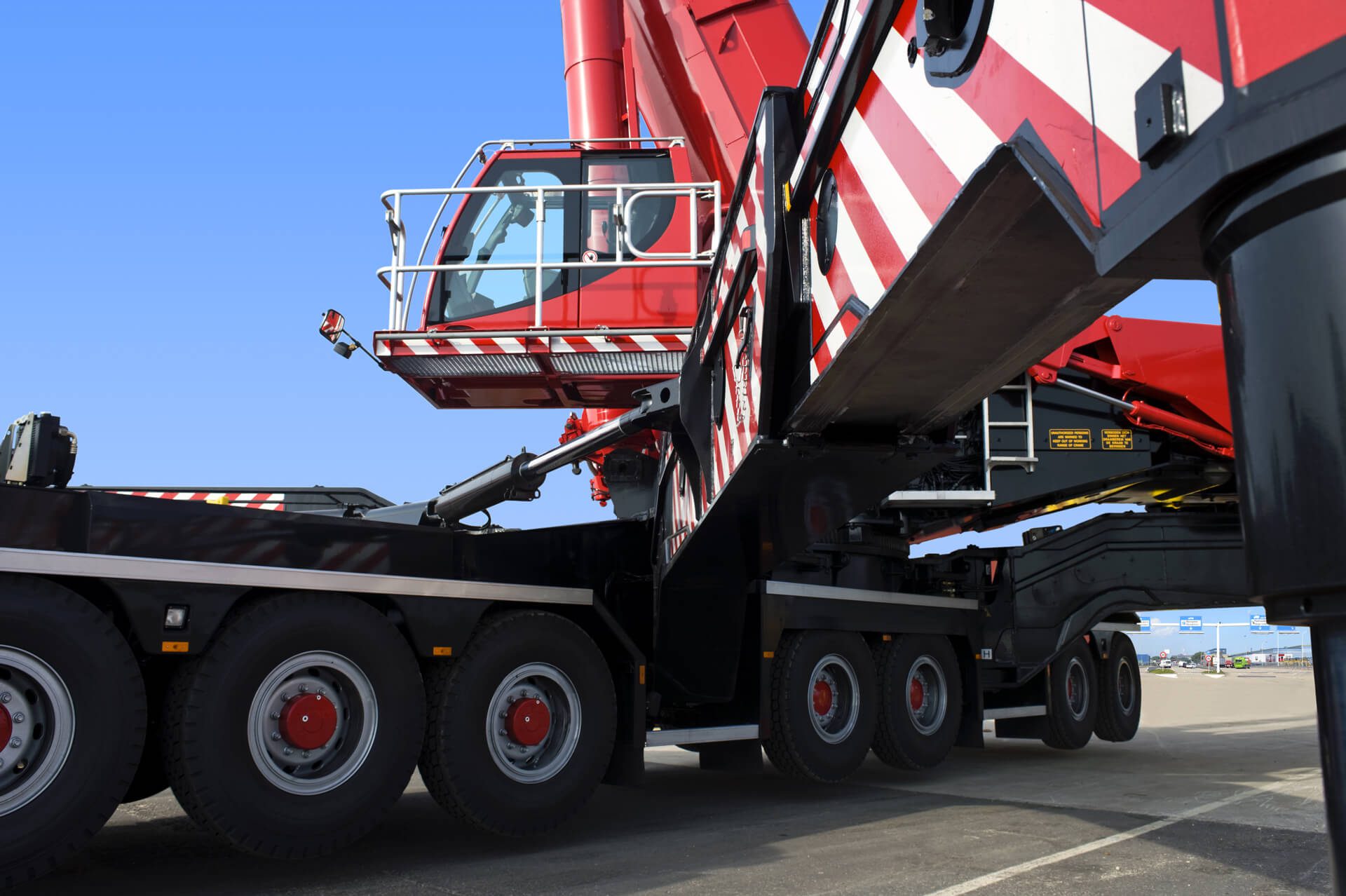
Across Australia’s major cities, the skyline has become a visible ledger of economic ambition. From residential towers to transport corridors and mixed-use precincts, large-scale construction is increasingly defined by verticality, density, and logistical complexity. Within this environment, the question of efficiency is no longer confined to schedules or budgets alone; it encompasses safety, coordination, and the intelligent use of space. Few assets illustrate this shift more clearly than the modern tower crane, whose role extends far beyond lifting heavy materials.
In this context, tower crane hire has emerged as a structural enabler of productivity rather than a transactional service. Particularly in growth corridors such as Western Sydney, where infrastructure expansion and urban consolidation intersect, the strategic deployment of cranes shapes how projects are planned, sequenced, and ultimately delivered.
The Strategic Role of Tower Cranes in Contemporary Construction
Tower cranes have long been associated with high-rise construction, but their strategic importance has expanded as projects become more integrated and time-sensitive. In dense urban environments, cranes function as central logistics hubs, moving materials vertically and horizontally with precision that ground-based equipment cannot replicate.
Reliable tower crane hire influences decisions at the earliest stages of project design. Architects and construction managers increasingly collaborate around crane placement, load capacity, and jib reach to optimise workflows across the entire site. When a crane is positioned effectively, it reduces reliance on multiple handling processes, shortens internal transport routes, and enables parallel workstreams across different levels of a structure.
In Western Sydney, where large residential developments often sit alongside transport upgrades and utilities work, crane planning must account for constrained footprints and neighbouring assets. This is where crane hire western Sydney becomes not merely a regional descriptor, but a reflection of how local conditions shape equipment strategy. Projects in these areas frequently require cranes that can operate efficiently without oversailing adjacent properties, a consideration that directly affects both design and compliance.
Efficiency Beyond Lifting: Coordination and Sequencing
Efficiency on a construction site is rarely achieved through a single intervention. Instead, it emerges from coordination across trades, timelines, and technologies. Tower cranes play a pivotal role in this coordination by acting as shared resources that structure daily operations.
When crane availability is predictable and aligned with the construction program, subcontractors can plan deliveries and installations with greater certainty. This reduces idle time, congestion at access points, and the risk of schedule slippage. Conversely, unreliable crane operations can create cascading delays, forcing trades to reschedule work or store materials on-site, often at the expense of safety and space.
Modern tower crane hire arrangements increasingly reflect this reality. Rather than treating cranes as standalone assets, project teams integrate them into digital construction schedules, linking lifting plans to building information modelling systems. This integration allows for more accurate forecasting of crane utilisation and highlights potential conflicts before they materialise on site.
Infrastructure, High-Rise, and Urban Density: Different Contexts, Different Approaches
The application of tower cranes varies significantly depending on project type. In high-rise residential or commercial developments, cranes are typically central to the structure, rising in stages as the building progresses. Their primary function is repetitive lifting, supporting formwork, reinforcement, and façade installation in a predictable cycle.
Infrastructure projects, by contrast, often require cranes to support irregular lifting tasks over extended footprints. Rail stations, bridges, and industrial facilities may involve heavier components and longer reaches, demanding different crane configurations and load management strategies. In these settings, tower crane hire must be tailored to variable lift paths and changing site conditions.
Dense urban projects combine elements of both. They demand precision lifting within tight envelopes, often under strict noise and curfew restrictions imposed by local authorities. In such environments, crane hire western Sydney reflects a broader trend towards specialised solutions that balance efficiency with community impact. Luffing jib cranes, for example, are increasingly favoured where oversailing restrictions apply, allowing the jib to raise and lower without encroaching on neighbouring airspace.
Technology as a Catalyst for Site-Wide Efficiency
Technological advancement has reshaped how tower cranes contribute to efficiency. Modern cranes are equipped with systems that enhance both performance and safety, including load moment indicators, anti-collision software, and remote monitoring capabilities.
These technologies allow site managers to track crane usage in real time, identify bottlenecks, and adjust workflows accordingly. Data generated by cranes can reveal patterns of underutilisation or peak demand, informing decisions about shift planning and material sequencing. Over time, this data-driven approach supports more efficient crane hire strategies, aligning equipment capacity with actual site needs.
Automation is also beginning to influence crane operations. Semi-automated lifting functions reduce operator fatigue and improve consistency, particularly on repetitive tasks. While full automation remains limited by regulatory and practical constraints, incremental advances continue to improve reliability, which is a prerequisite for site-wide efficiency.
Safety and Compliance as Foundations of Efficiency
Efficiency cannot be separated from safety, particularly in a regulatory environment as robust as Australia’s. Tower crane operations are governed by a framework of standards and codes designed to mitigate risk in complex construction settings. Compliance with AS 2550 for cranes and AS 1418 for design and manufacturing sets baseline expectations for performance and safety.
WorkSafe authorities in each state, including SafeWork NSW, play a critical role in enforcing these standards. Their guidelines cover not only crane design and maintenance, but also operator licensing, erection and dismantling procedures, and site supervision. From an efficiency perspective, adherence to these requirements reduces the likelihood of incidents that can halt work entirely.
Reliable tower crane hire is closely linked to compliance because equipment condition, documentation, and operator competency directly affect operational continuity. Unplanned downtime resulting from inspections or safety breaches undermines productivity and introduces uncertainty into project timelines. As a result, many project teams view regulatory compliance not as an administrative burden, but as an operational safeguard.
Licensing, Skills, and Workforce Considerations
The human dimension of crane operations remains central to efficiency outcomes. In Australia, crane operators must hold the appropriate high-risk work licences, issued under nationally harmonised work health and safety laws. These licensing requirements ensure a baseline level of competence, but experience and site familiarity often determine how effectively a crane contributes to overall productivity.
On complex sites, communication between crane operators, doggers, and site supervisors is critical. Miscommunication can lead to delays or near misses, both of which erode efficiency. As projects in Western Sydney grow in scale and complexity, workforce coordination becomes increasingly challenging, reinforcing the importance of clear protocols and consistent training.
Tower crane hire arrangements that prioritise continuity of personnel can mitigate some of these challenges. While the article avoids promotional considerations, industry practice increasingly recognises that stable teams support smoother operations, particularly on long-duration projects.
Balancing Efficiency with Urban Constraints
Urban construction presents inherent tensions between efficiency and external constraints. Noise restrictions, traffic management requirements, and community expectations can limit operating hours and crane movements. In response, project teams must extract maximum value from available lifting windows.
This has led to more detailed lift planning and closer collaboration with local councils and transport authorities. In Western Sydney, where major road and rail projects intersect with residential development, crane operations are often coordinated with broader infrastructure schedules. Such coordination reduces conflicts and supports more predictable outcomes.
Here, crane hire western Sydney reflects an adaptive approach shaped by regulatory oversight and urban planning objectives. Efficiency is achieved not by bypassing constraints, but by integrating them into project logic from the outset.
A Structural Enabler, Not a Silver Bullet
While tower cranes are powerful tools for improving site-wide efficiency, they are not a panacea. Their effectiveness depends on alignment with design intent, construction methodology, regulatory compliance, and workforce capability. Poor planning or overreliance on cranes can introduce new risks and inefficiencies.
Nevertheless, when deployed strategically, tower crane hire contributes to a more coherent construction process. It supports vertical integration of tasks, reduces material handling complexity, and enables projects to progress in environments where traditional approaches would falter.
As Australia continues to urbanise and invest in infrastructure, the role of cranes will remain central to how cities are built. In places like Western Sydney, where growth pressures and logistical challenges converge, the quiet efficiency of a well-integrated tower crane may be one of the most significant, if least visible, determinants of project success.