The transformation of architectural vision into physical reality depends on a chain of decisions that most Australians never witness. Behind every commercial tower rising above Sydney’s business districts, every infrastructure project reshaping Melbourne’s transport networks, and every industrial facility expanding across regional centers lies a complex choreography of equipment deployment, engineering analysis, and logistical precision. At the center of this process sits a deceptively simple question: how do construction teams move components weighing dozens of tonnes into positions where human strength becomes irrelevant and mechanical advantage becomes everything?
The answer reveals an industry far more sophisticated than public perception suggests. Modern construction projects operate as temporary industrial ecosystems where equipment selection determines project timelines, influences safety outcomes, and ultimately decides whether ambitious designs remain theoretical or become functional structures. The evolution of lifting technology and the strategic deployment of specialized equipment have fundamentally altered what qualifies as buildable, pushing the boundaries of architectural possibility while simultaneously raising expectations for execution precision that tolerates no compromise.
The Strategic Mathematics of Equipment Selection
Construction projects across Australia’s eastern seaboard confront a persistent challenge: matching lifting capacity to project requirements while navigating constraints that include site access, operational duration, budget parameters, and regulatory compliance. The decision framework begins with load analysis, where engineers quantify the weight, dimensions, and center of gravity for every component requiring mechanical lifting. Structural steel sections for high-rise construction can exceed fifteen meters in length and weigh thirty tonnes. Prefabricated concrete panels may reach similar weights while presenting awkward geometries that complicate rigging. Mechanical equipment for industrial facilities chillers, generators, processing machinery often arrives as indivisible units that must be positioned with millimeter precision.
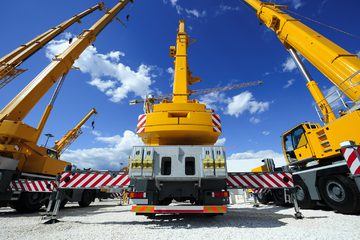
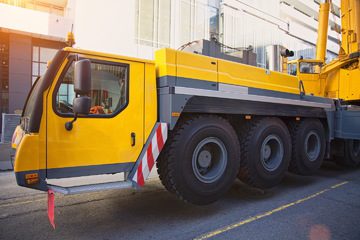
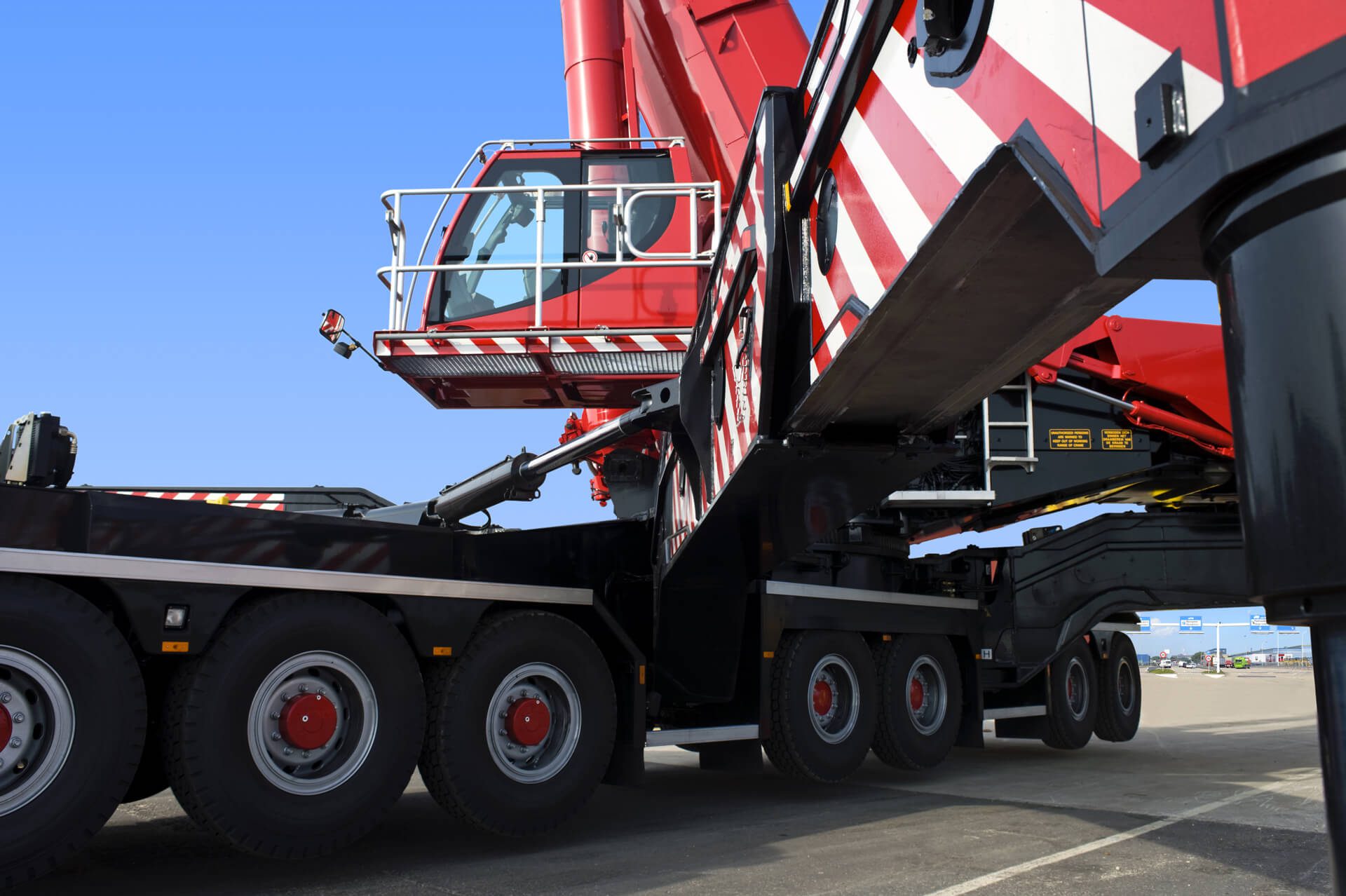
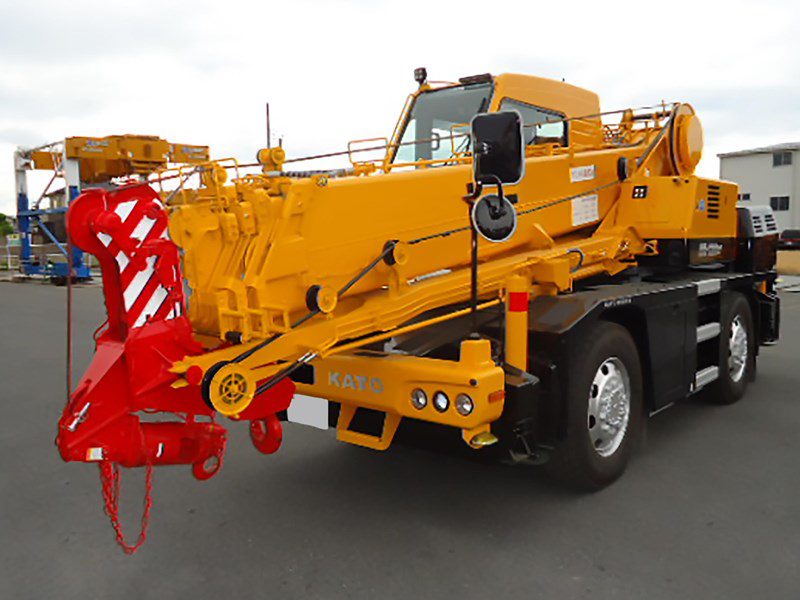
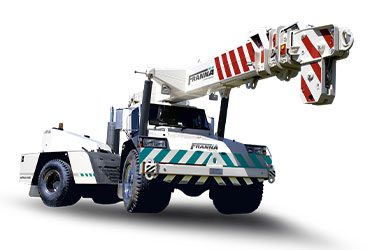
Mobile crane hire operations address this diversity through fleet variety. Contemporary crane fleets include all-terrain units capable of highway speeds and off-road mobility, rough-terrain machines optimized for unprepared surfaces, and truck-mounted cranes that offer rapid deployment for time-sensitive operations. Each category presents distinct capabilities and limitations. All-terrain cranes, with capacities ranging from thirty to twelve hundred tonnes, provide versatility that suits projects where lifting requirements vary throughout construction phases. Their mobility allows repositioning around sites, reducing idle time and enabling operators to serve multiple projects sequentially.
The economics of crane deployment favor flexibility. Projects engaging mobile crane hire services typically require lifting capacity for discrete periods days or weeks rather than months. This intermittent demand makes ownership impractical for most contractors, who would carry substantial capital costs and maintenance burdens for equipment that generates revenue only during active deployment. The crane hire model transfers these costs to specialized operators who maintain equipment, ensure regulatory compliance, and provide trained personnel as integrated packages.
Regional Dynamics and Urban Complexity
Geographic factors shape equipment deployment patterns across Australian construction markets. In established metropolitan areas where vertical construction dominates, crane hire Northern Sydney operations and their counterparts across densely developed regions confront spatial constraints that fundamentally alter operational approaches. Streets designed for nineteenth-century traffic patterns cannot accommodate the turning radii of modern crane transporters. Heritage listings prevent structural modifications that would facilitate equipment access. Underground utilities create exclusion zones that limit outrigger placement and restrict the ground preparation necessary for safe crane operation.
These constraints force engineers into creative problem-solving that balances competing demands. When direct crane access proves impossible, teams may deploy smaller cranes to assemble larger units on-site, creating lifting capacity through staged equipment mobilization. Alternative approaches include night operations when road closures become feasible, or securing permissions to temporarily modify streetscapes in ways that daily traffic would prohibit. Some projects resort to helicopter lifts for components that cannot reach their destinations through ground-based transport, though cost considerations and weather dependencies make this option viable only when alternatives fail.
Northern Sydney’s development trajectory illustrates these challenges. The region encompasses established residential areas undergoing densification, commercial precincts expanding vertically, and infrastructure projects upgrading transport networks originally designed for far lower capacity. Construction within such contexts requires equipment solutions that minimize disruption to surrounding activities while maintaining the productivity levels that project economics demand. Mobile crane hire services address this through advanced planning that sequences lifts to utilize available access windows, coordinates with traffic management authorities, and implements safety protocols that protect both construction personnel and the public.
Technology Integration and Operational Evolution
The digitization of construction processes has transformed crane operations from mechanical trades into technology-dependent disciplines. Modern lifting equipment incorporates computing systems that monitor dozens of parameters simultaneously, creating real-time awareness of operational status that previous generations of operators could only estimate. Load moment indicators compare actual crane configuration against manufacturer-specified capacity charts, alerting operators when movements approach safe working limits and preventing actions that would exceed structural capabilities.
This technological integration extends beyond individual machines to encompass entire project ecosystems. Building Information Modeling platforms now incorporate crane positioning and lift planning modules, allowing engineers to simulate operations virtually before physical execution begins. These simulations identify conflicts between crane components and surrounding structures, verify that proposed rigging configurations will maintain loads within acceptable parameters, and optimize crane positioning to minimize repositioning requirements throughout construction phases. The result transforms lift planning from experience-based estimation into engineering analysis supported by spatial data and physics modeling.
Telematics systems provide operators with fleet-wide visibility, tracking equipment location, utilization rates, maintenance requirements, and operational parameters across multiple simultaneous deployments. This data enables predictive maintenance scheduling that addresses component wear before failures occur, reducing the unplanned downtime that can cascade through project schedules and generate substantial cost consequences. For contractors, telematics transparency provides verification that hired equipment operates within specified parameters and that operators comply with safe working procedures throughout rental periods.
Regulatory Framework and Safety Imperatives
Australian crane operations function within regulatory structures established through Work Health and Safety legislation and enforced by state-based authorities including SafeWork NSW, WorkSafe Victoria, and equivalent bodies across other jurisdictions. These frameworks mandate that crane operations meet requirements specified in the AS 2550 standard series, which covers safety requirements for crane design, installation, and operation. Compliance obligations extend to licensing requirements for operators, engineers, and supervisors involved in crane-related activities.
High-risk work licenses represent the cornerstone of crane operation safety. These nationally recognized credentials require candidates to complete accredited training programs and demonstrate practical competency in operating specific crane classes. License holders must maintain currency through periodic renewal processes that verify continued competency and awareness of regulatory changes. The licensing framework creates professional standards that elevate crane operation beyond manual labor into skilled trade status, with corresponding expectations for technical knowledge and safety awareness.
Engineering requirements impose additional oversight layers for operations classified as high-risk. Lifts involving loads exceeding capacity thresholds, operations near powerlines or in public spaces, and scenarios where standard lift procedures require modification all trigger mandatory engineering assessment. Licensed engineers must review proposed operations, verify that equipment selection provides adequate capacity margins, and approve lift plans before execution proceeds. This requirement reflects recognition that crane incidents typically result not from equipment failure but from planning inadequacies or operational decisions that place equipment into configurations exceeding design parameters.
Economic Implications and Industry Trends
The crane hire sector represents a substantial component of Australia’s construction economy, with industry analysis suggesting the segment generates over one billion dollars annually in revenue while supporting thousands of direct employment positions. Market dynamics reflect broader construction sector trends, with demand concentrating in metropolitan regions experiencing population growth and infrastructure investment. Sydney and Melbourne dominate crane deployment statistics, together accounting for approximately sixty percent of national demand, though regional centers including Brisbane, Perth, and Adelaide maintain significant markets driven by resources sector activity and state-based infrastructure programs.
Equipment investment patterns reveal industry confidence in sustained demand. Major crane operators continue expanding fleets with units incorporating the latest technological capabilities, representing capital commitments exceeding millions of dollars per machine. This investment occurs despite cyclical construction market volatility, suggesting operators anticipate long-term growth trajectories that justify current expenditure. The confidence appears well-founded given infrastructure pipelines across Australian jurisdictions, with committed projects including transport network upgrades, hospital expansions, and defense facility construction representing decades of sustained activity.
Competitive dynamics within the sector have intensified as construction complexity increases and safety expectations rise. Operators differentiate through equipment variety, operational expertise, and value-added services that extend beyond simple equipment provision. Engineering support, lift planning assistance, and integration with contractor project management systems represent increasingly standard offerings as operators position themselves as specialized partners rather than commodity suppliers. This evolution reflects market maturation and recognition that crane operations influence project outcomes far beyond the immediate lifting tasks they perform.
The trajectory of Australian construction suggests that sophisticated equipment deployment will only grow more critical as projects increase in complexity and urban constraints intensify. The translation of architectural ambition into physical reality depends on the precision and reliability that modern lifting operations deliver, making crane services not merely supportive functions but essential enablers of the built environment that shapes daily Australian life.