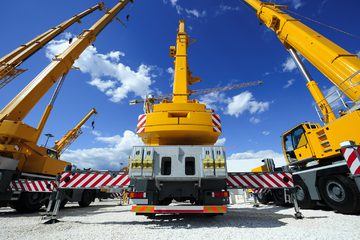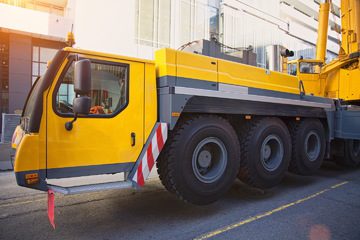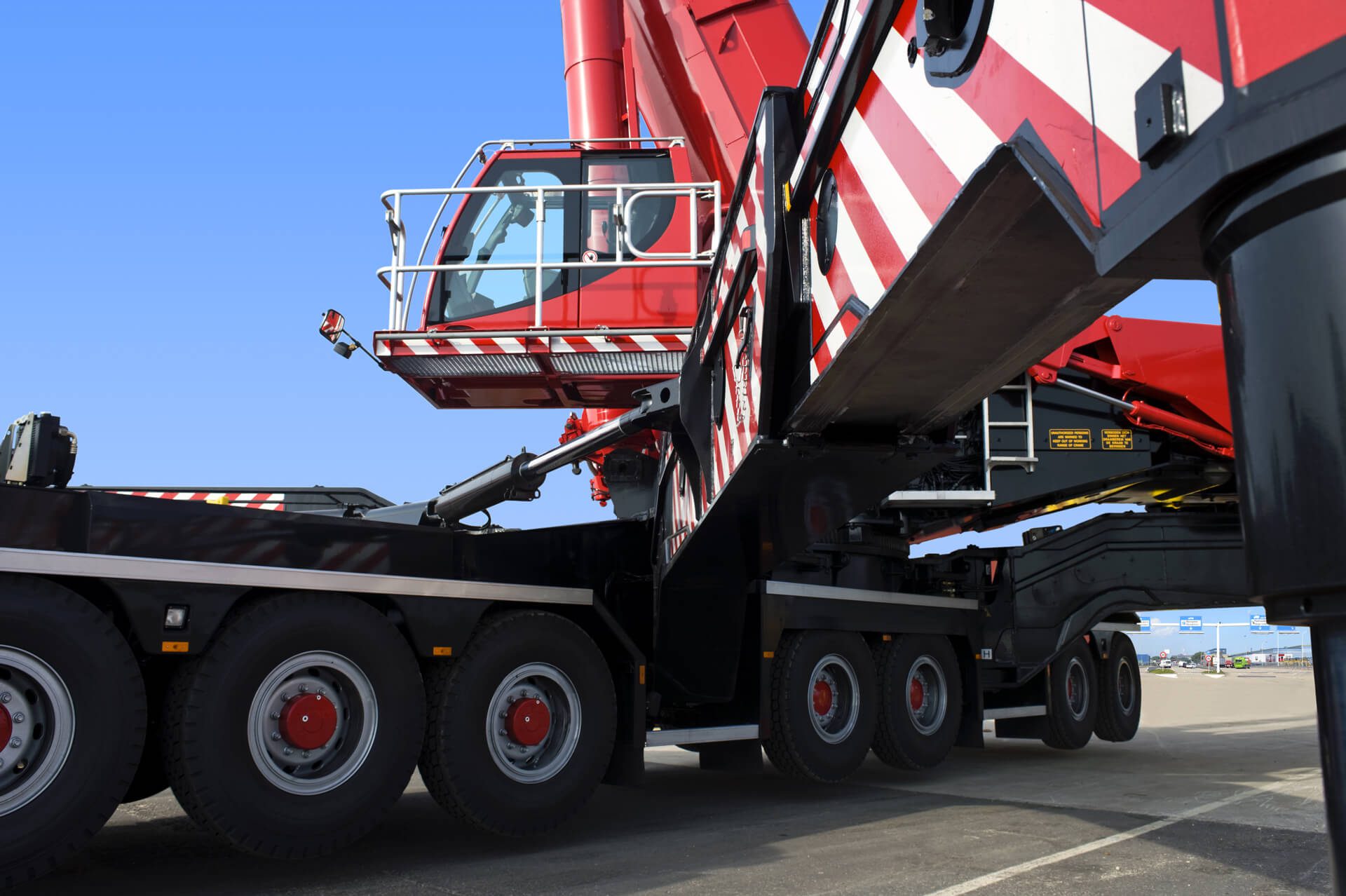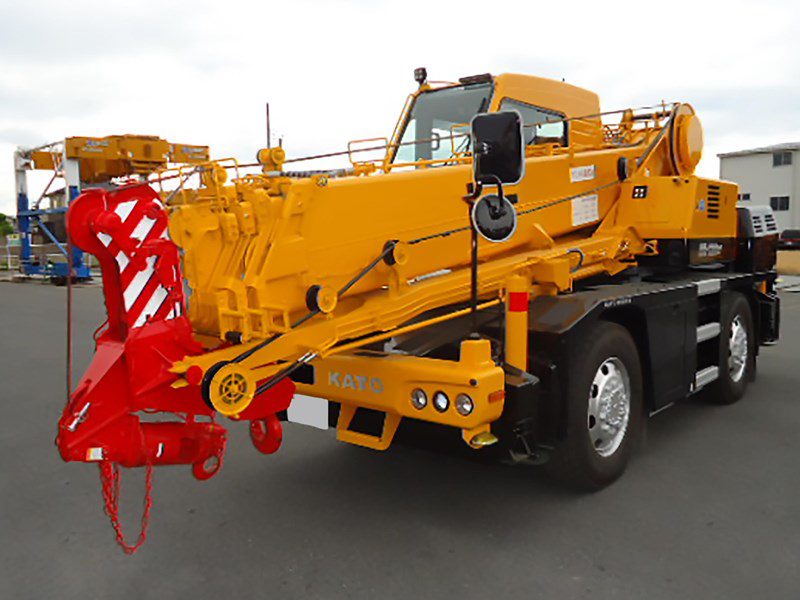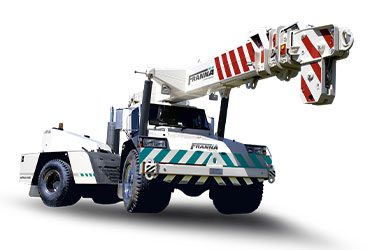
When a structural emergency strikes on a Sydney construction site, the difference between a contained incident and a catastrophic failure often comes down to hours or even minutes. The question of whether emergency mobile crane hire services can genuinely deliver on their promise of immediate availability has become increasingly pressing as Australia’s construction sector faces mounting complexity and tighter project timelines.
Across New South Wales, construction managers and site supervisors grapple with a fundamental tension: the unpredictable nature of emergencies versus the logistical realities of deploying heavy lifting equipment through congested urban corridors. The answer to whether the industry is truly prepared reveals both remarkable operational achievements and significant vulnerabilities that demand attention.
Understanding the Strategic Importance of Mobile Crane Hire
Mobile crane hire has evolved from a simple equipment rental service into a sophisticated operational capability that underpins modern Australian construction. Unlike their fixed counterparts, mobile cranes offer the flexibility to respond to situations that cannot be anticipated during project planning phases, from emergency structural stabilisation to urgent material relocations following design modifications.
The strategic value of mobile crane hire extends beyond mere convenience. In metropolitan Sydney, where construction sites frequently operate within metres of occupied buildings, public transport infrastructure, and heritage structures, the ability to deploy appropriate lifting capacity without weeks of advance planning represents a critical safety mechanism. Industry data suggests that approximately fifteen percent of all crane deployments in major Australian cities occur under expedited or emergency conditions.
This demand pattern has driven significant investment in fleet readiness across the sector. Major operators now maintain dedicated rapid-response divisions, with equipment pre-positioned at strategic locations throughout the Sydney basin to minimise travel times during urgent callouts.
Tower Crane Hire Northern Sydney: A Case Study in Regional Demand
The northern Sydney corridor presents unique challenges that illuminate broader industry dynamics. Tower crane hire northern Sydney has experienced substantial growth over the past decade, driven by sustained residential development in suburbs from Chatswood to Hornsby and major infrastructure projects including the Sydney Metro Northwest line.
This regional concentration of construction activity has created both opportunities and constraints. The density of active sites means that emergency situations in one location can have cascading effects on equipment availability across the broader area. When a tower crane hire northern Sydney operator commits resources to an urgent deployment, neighbouring projects may find their backup options suddenly limited.
Geographic factors compound these pressures. The hilly terrain characteristic of much of northern Sydney restricts the routes available for transporting large mobile crane components, while local council regulations governing heavy vehicle movements through residential areas impose additional scheduling constraints. These realities mean that even the most responsive operators must navigate a complex web of logistical considerations that can affect true emergency readiness.
Regulatory Framework and Compliance Requirements
Australian workplace safety legislation imposes rigorous requirements on crane operations that directly influence emergency response capabilities. Safe Work Australia guidelines, implemented through state-based regulators including SafeWork NSW, mandate comprehensive pre-operational checks regardless of deployment urgency.
The relevant Australian Standards, particularly AS 2550 covering cranes, hoists, and winches, establish non-negotiable safety protocols that cannot be abbreviated even under emergency conditions. Operators must verify ground conditions, confirm lifting calculations, and conduct thorough equipment inspections before any lift proceeds. These requirements, while essential for preventing accidents, add unavoidable time to emergency deployments.
Licensing requirements further shape the available response capacity. High-capacity crane operations require operators holding specific classes of the nationally recognised crane operator licence, and the availability of appropriately credentialed personnel during after-hours emergencies can constrain response options. Industry bodies have highlighted the ongoing challenge of workforce development in this specialised field, with training pipelines struggling to match demand in certain licence categories.
Technological Advances Reshaping Emergency Capabilities
Recent technological developments have substantially enhanced the emergency responsiveness of mobile crane hire operations. Telematics systems now provide real-time visibility into fleet locations and equipment status, enabling dispatch decisions based on actual rather than assumed availability. Some operators have implemented predictive maintenance algorithms that reduce the likelihood of mechanical failures during critical deployments.
Digital load planning tools have compressed the calculation time required before complex lifts, allowing site assessments that previously demanded hours of engineering analysis to be completed during transit to emergency locations. These advances represent meaningful progress toward genuine rapid-response capability.
The integration of tower crane hire northern Sydney operations with broader fleet management systems has created new efficiencies. When fixed tower cranes experience mechanical difficulties, operators can now model mobile crane alternatives in real time, determining whether temporary mobile deployment can maintain project continuity while repairs proceed.
However, technology cannot overcome certain physical constraints. The sheer weight and dimensions of equipment capable of performing meaningful emergency lifts impose fundamental limits on deployment speed regardless of how efficiently the logistics are managed.
Industry Challenges and Honest Limitations
A candid assessment of emergency readiness must acknowledge persistent challenges. Peak demand periods, particularly during the spring and autumn construction seasons in Sydney, can stretch available capacity to its limits. When multiple urgent situations arise simultaneously, the industry’s collective ability to respond to all of them rapidly becomes genuinely tested.
Insurance and contractual considerations introduce additional complexity. Emergency deployments often require expedited risk assessments and modified contractual terms, negotiations that can consume valuable time even when equipment and personnel are available. Some construction companies have begun addressing this through pre-arranged emergency service agreements that establish terms in advance, though this practice remains inconsistent across the sector.
The economic model of maintaining genuine emergency readiness also presents challenges. Equipment held in reserve for potential emergencies represents capital that generates no immediate return, creating pressure to maximise utilisation rates that can conflict with true rapid-response capability. Industry observers suggest that transparent communication about realistic response timeframes, rather than optimistic marketing claims, would better serve client expectations and project planning.
Conclusion: Balancing Readiness and Realism
The question of whether emergency mobile crane hire in Sydney stands ready when it matters admits no simple answer. The industry has made substantial investments in response capability, and genuine emergencies are routinely addressed with impressive speed and professionalism. Regulatory frameworks ensure that safety standards are maintained even under pressure, while technological advances continue to enhance operational efficiency.
Yet honest assessment reveals that true immediate availability depends on circumstances that no operator can fully control. Recognising both the achievements and the constraints of emergency crane services allows construction professionals to plan more effectively, building appropriate contingencies into project schedules rather than assuming that any crisis can be instantly resolved through a single phone call.