The Australian construction landscape is currently navigating a period of unprecedented complexity, characterized by a simultaneous boom in high-density urban infrastructure and a persistent demand for suburban residential development. As the built environment evolves, the logistical backbone of these projects—vertical logistics and heavy lifting—faces increasing scrutiny regarding efficiency and adaptability. A central question emerging among project managers and developers is the feasibility of a singular approach to lifting requirements. Specifically, industry stakeholders are debating whether one cohesive mobile crane hire solution can effectively service the disparate needs of intimate residential builds and expansive commercial projects, or if these sectors remain fundamentally distinct ecosystems requiring specialized attention.
The Strategic Divergence of Construction Verticality
To understand the lifting requirements of the modern Australian market, one must first analyze the divergent operational realities of residential and commercial construction. While the physics of leverage and load dynamics remain constant, the environmental variables differ drastically. Residential projects, particularly in Australia’s expanding suburban sprawl and densifying inner-city pockets, are defined by spatial constraints. These sites are often characterized by narrow street frontages, strict noise ordinances, and the presence of overhead power lines. The primary challenge here is not necessarily the weight of the lift but the accessibility of the site and the precision required to navigate established neighborhoods without disrupting community flow.
Conversely, commercial construction operates on a scale that prioritizes reach, sustained capacity, and site integration. From high-rise office towers in Sydney’s CBD to sprawling industrial warehouses in Western Melbourne, commercial sites function as controlled industrial zones. Here, the mobile crane is often a precursor to a fixed tower crane or acts as a heavy-lift specialist for plant equipment. The strategic focus shifts from agility to stability and sheer power. Consequently, the operational philosophy behind mobile crane hire must oscillate between the nimble “taxi” crane model suited for day-jobs in residential zones and the heavy-lift project management required for commercial durability.
Operational Versatility and Fleet Composition
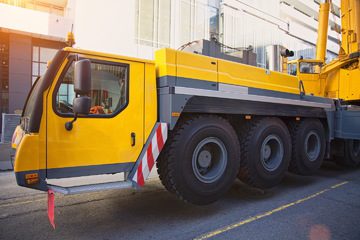
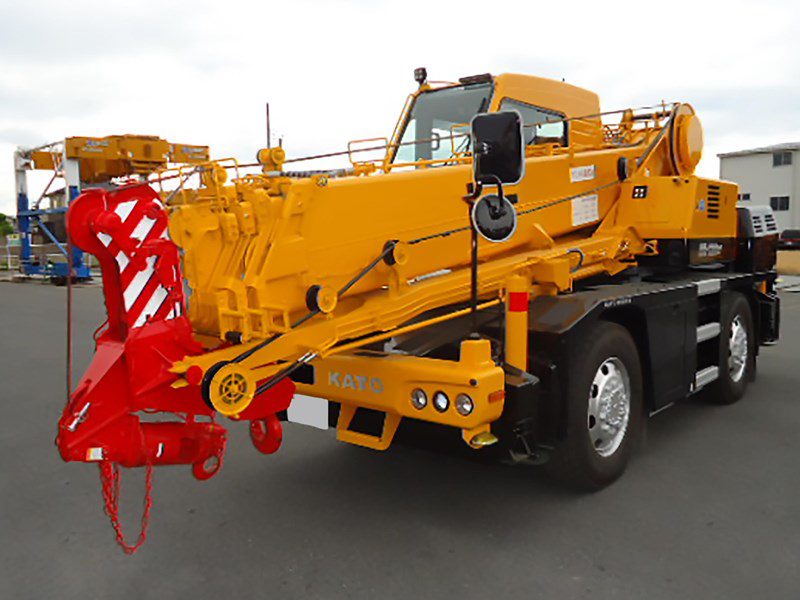
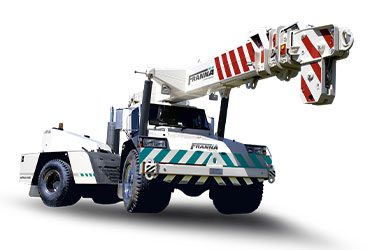
The bridge between these two worlds lies in the fleet composition of hire providers. The notion that a single “solution” can handle both sectors is valid only if that solution is defined by a diversified fleet and adaptable logistical planning rather than a one-size-fits-all machine. In the residential sector, the ubiquitous Franna (pick and carry) crane or the compact city crane reigns supreme. These machines are engineered for rapid deployment and tight turning circles, allowing them to reverse into domestic driveways to install swimming pools or lift steel beams for renovation projects. Their value proposition is speed and minimal footprint.
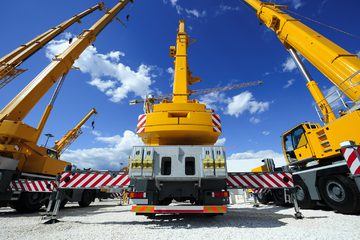
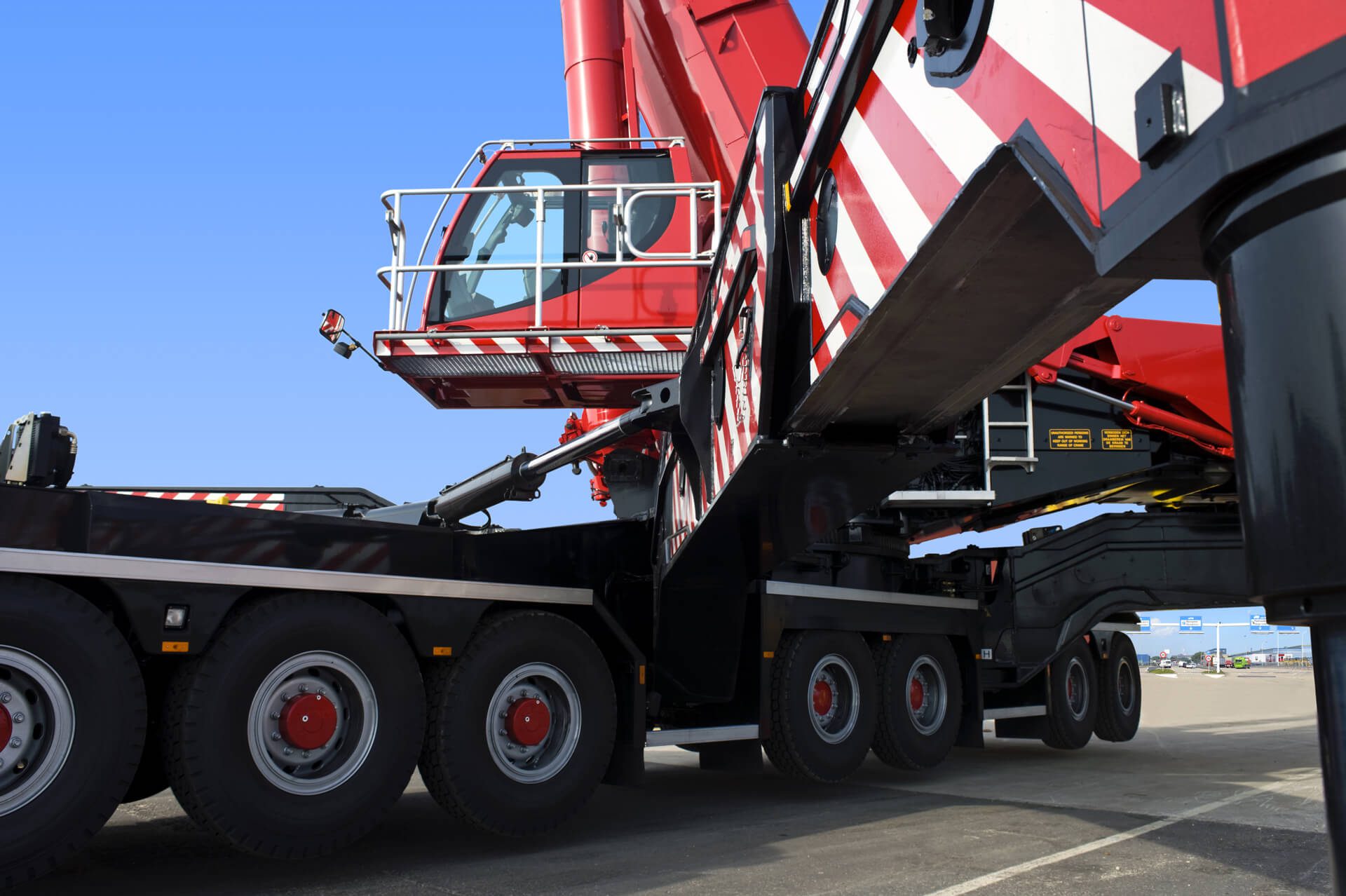
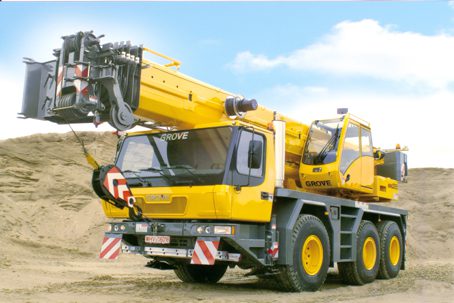
However, as the scope of work expands to commercial specifications, the equipment profile changes. All-terrain cranes with telescopic booms become the industry standard, offering the ability to lift heavy precast concrete panels or air conditioning units to significant heights. The strategic success of a crane hire provider in the current market, therefore, depends on their ability to offer a spectrum of tonnage options. Industry analysts note that the most successful lifting solutions are those that integrate telematics and varied machinery under a single management umbrella, allowing a seamless transition for clients who may manage mixed-use portfolios.
Regional Case Studies in Mixed-Use Development
The tension and synergy between residential and commercial lifting requirements are perhaps best observed in Australia’s peri-urban growth corridors—regions that are transitioning from rural retreats to sophisticated economic hubs. These areas demand a hybrid approach to construction logistics. A pertinent example can be found in regional New South Wales. The specific operational landscape for crane hire Southern Highlands providers encounter serves as a microcosm for this broader industry trend. In such regions, the local topography and the rapid pace of development create a unique market where a provider must be equally adept at navigating a muddy, unsealed road for a custom home build and managing the steel erection for a new regional hospital or shopping precinct.
In these transition zones, the rigidity of categorizing a project as strictly “residential” or “commercial” often breaks down. Large-scale country estates often require lifting capacities that rival small commercial sites, while boutique commercial fit-outs in heritage towns require the delicate touch and compact footprint usually reserved for residential work. Thus, the capacity to service the crane hire Southern Highlands market—and similar regional hubs across Australia—requires a fluid operational strategy where the distinction lies in the risk assessment and lift plan rather than just the categorization of the client.
Technical Compliance and the Australian Regulatory Framework
Regardless of the project scale, the unifying factor that binds residential and commercial lifting solutions is the rigorous Australian regulatory framework. Adherence to strict safety standards is non-negotiable and acts as the great equalizer in the industry. The Work Health and Safety Act and the specific guidelines outlined in AS 2550 (Cranes, hoists and winches – Safe use) dictate the operational parameters for all mobile crane activities.
For a hire solution to be viable across both sectors, it must maintain a robust safety management system that scales appropriately. In a commercial setting, this often involves exhaustive Safe Work Method Statements (SWMS), distinct lift studies, and integration with the principal contractor’s safety ecosystem. In residential settings, while the paperwork may appear less voluminous to the layperson, the “Chain of Responsibility” laws ensure that the duty of care remains absolute. The challenge for hire companies is to scale their compliance documentation and safety checks so that they are rigorous enough for a Tier 1 builder but accessible and understandable for a smaller residential builder or owner-builder.
Furthermore, High Risk Work Licences are mandatory for operators across the board. The difference often lies in the specialized experience of the operator. Commercial sites may demand operators with specific inductions and experience in blind lifts or dual lifts, whereas residential operators require exceptional spatial awareness and public interaction skills. A holistic mobile crane hire solution must, therefore, invest heavily in workforce development, ensuring their operators are not just mechanically competent but contextually aware of the specific hazards inherent to different site types.
Technological Integration and Future Trends
The future of unifying residential and commercial lifting capabilities lies in technology. The integration of 3D lift planning software is narrowing the gap between the two sectors. Historically reserved for complex commercial lifts, digital lift planning is becoming increasingly common in complex residential projects. By simulating the lift before the crane arrives on site, hire providers can determine exactly which machine is necessary, minimizing the risk of over-specifying (wasting money) or under-specifying (risking safety).
Telematics and real-time load monitoring are also standardizing safety across the board. Modern mobile cranes are equipped with sophisticated Load Moment Indicators (LMIs) that prevent the machine from operating outside its safe working envelope. This technology provides a safety net that is equally critical whether lifting a spa over a house or a chiller unit onto a skyscraper. As these technologies become standard, the “solution” becomes more about data-driven logistics than simply renting a machine.
The Verdict on a Unified Solution
Ultimately, the question of whether one mobile crane hire solution can handle both residential and commercial builds is answered not by the hardware, but by the management infrastructure behind it. A single crane cannot do it all; a city crane cannot execute a heavy industrial lift, and a 300-tonne all-terrain crane cannot navigate a suburban cul-de-sac. However, a single hire provider can indeed service both sectors if they possess the requisite fleet diversity, regulatory expertise, and operational flexibility.
The convergence of these sectors in Australia’s growth corridors suggests that the rigid walls between residential and commercial construction logistics are becoming permeable. Providers who treat lifting as a holistic engineering challenge—focusing on ground bearing pressure, radius, and boom length rather than just the label of the project—are best positioned to thrive. As Australia continues to build up and out, the market rewards those who can seamlessly toggle between the high-stakes precision of commercial infrastructure and the intricate constraints of residential development, proving that while the sites may differ, the commitment to gravity-defying engineering remains the same.