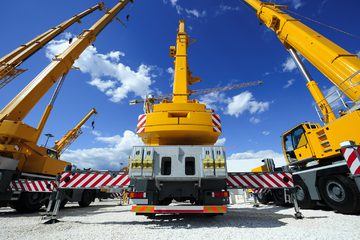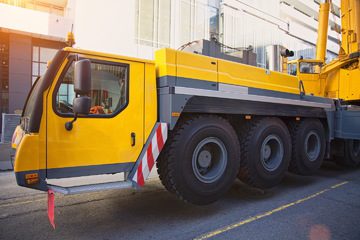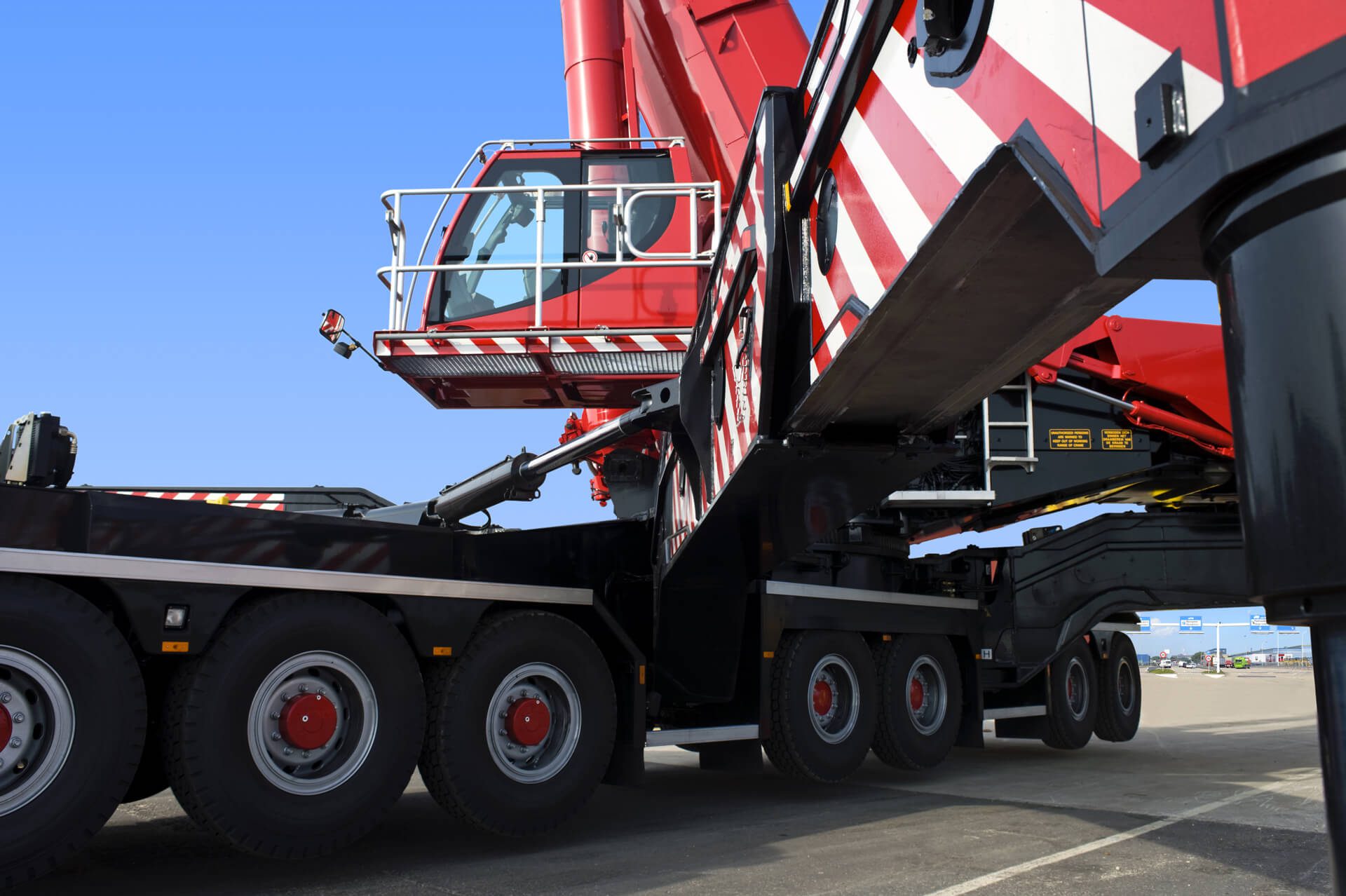
Australia’s construction sector increasingly operates against the clock. From emergency infrastructure repairs to tightly sequenced urban developments, lifting operations often occur outside conventional working hours. In this environment, 24/7 availability is only one part of the equation. The decisive variable is frequently the experience of the crane operator. As projects become denser, taller, and more regulated, the human expertise behind mobile crane hire has emerged as a strategic asset rather than a background function.
The Strategic Role of Mobile Cranes in Modern Construction
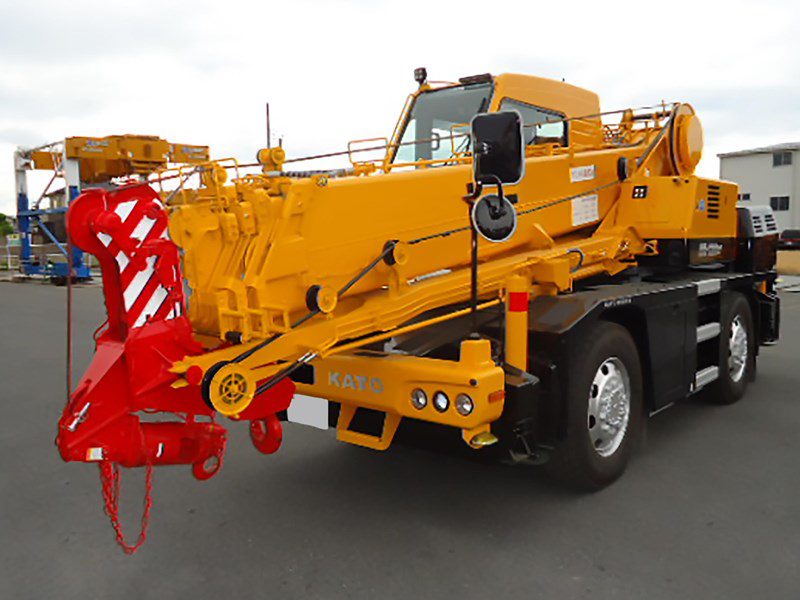
Across Australia, mobile crane hire has become integral to contemporary construction and infrastructure delivery. Unlike fixed lifting solutions, mobile cranes provide flexibility in rapidly changing site conditions, enabling contractors to respond to design changes, access constraints, or unexpected delays. Their strategic value is particularly evident in metropolitan areas where space limitations and community disruption require precise, time-bound operations.
In regional growth corridors and mixed-use developments, mobile crane hire supports accelerated construction schedules by allowing lifting tasks to be completed overnight or during low-traffic windows. This adaptability has positioned mobile cranes as a core component of Australia’s urban development toolkit, particularly as cities pursue higher density without expanding their physical footprint.
Why Operator Experience Matters in 24/7 Operations
While crane capacity and reach are easily quantified, operator experience is less visible yet often more consequential. In 24/7 operations, fatigue management, situational awareness, and judgment under pressure become critical. Experienced operators bring an ability to interpret site conditions quickly, anticipate load behaviour, and adjust lifting plans in real time.
Night works and emergency call-outs amplify risk factors such as reduced visibility, limited on-site supervision, and tighter regulatory scrutiny. Operators with extensive field experience are better equipped to manage these variables, reducing the likelihood of delays or incidents. In this sense, experience functions as a risk mitigation tool embedded directly into the lifting operation.
Contrasting Mobile and Tower Crane Applications
Australia’s construction landscape relies on both mobile and fixed lifting solutions, each suited to distinct project profiles. Mobile crane hire is typically favoured for short-duration lifts, infrastructure maintenance, and projects requiring rapid mobilisation. In contrast, tower crane hire southern highlands is more commonly associated with longer-term developments, particularly multi-storey residential or commercial builds where repetitive vertical lifting is required.
The distinction is not purely mechanical. Tower crane hire southern highlands often involves months of planning, fixed installation, and a stable operational environment. Mobile crane hire, by comparison, demands rapid assessment and execution, often under compressed timeframes. Experienced operators play a pivotal role in bridging this gap, translating engineering plans into safe, efficient lifts regardless of crane type.
Urban Density and the Operator’s Decision-Making Role
As Australian cities densify, crane operations increasingly occur in proximity to live traffic, occupied buildings, and public infrastructure. In these settings, the operator’s decision-making extends beyond the lift itself. Load path selection, slew speed, and communication with doggers and riggers all have implications for public safety and project continuity.
Experienced operators are adept at coordinating with multiple stakeholders, including traffic controllers, site managers, and local authorities. Their familiarity with urban constraints allows them to anticipate conflicts before they arise, an attribute that is particularly valuable during overnight works when access to support resources may be limited.
Technology as an Enabler, Not a Substitute
Technological advances have reshaped crane operations over the past decade. Load moment indicators, anti-collision systems, and digital lift planning tools are now standard across much of the fleet. These systems enhance precision and provide safeguards, but they do not eliminate the need for human judgment.
In mobile crane hire, technology functions as a decision-support system rather than an autonomous controller. Experienced operators understand both the capabilities and limitations of onboard systems. They can identify when sensor data conflicts with site realities, such as wind conditions or ground stability, and adjust accordingly. This interplay between technology and experience is central to safe 24/7 operations.
Safety Standards and Regulatory Expectations in Australia
Australia maintains a robust regulatory framework governing crane operations. WorkSafe authorities in each state enforce compliance with the model Work Health and Safety laws, which emphasise risk management, competency, and continuous supervision. Operators are required to hold appropriate high-risk work licences, with additional verification often mandated for complex lifts.
Standards such as AS 2550, which addresses the safe use of cranes, and AS 1418, covering crane design, provide technical benchmarks that operators must interpret and apply on site. Experienced operators tend to have a deeper practical understanding of these standards, enabling them to align compliance requirements with operational realities rather than treating regulation as a procedural checklist.
Licensing, Training, and the Experience Gap
Formal licensing establishes a baseline of competence, but it does not guarantee proficiency under all conditions. Australia’s training pathways focus on technical skills and regulatory knowledge, yet much of an operator’s expertise is acquired through repeated exposure to diverse sites and scenarios.
In 24/7 mobile crane hire contexts, this experiential knowledge becomes especially valuable. Operators who have managed lifts across different states, soil conditions, and weather patterns bring a broader risk perspective. Their accumulated experience allows them to recognise early warning signs that may not be explicitly covered in training materials or lift plans.
Regional Contexts and Operational Variability
Construction activity outside major metropolitan centres presents its own challenges. In areas where tower crane hire southern highlands is prevalent, projects often combine urban design expectations with regional infrastructure limitations. Access roads, variable ground conditions, and community sensitivity can complicate lifting operations.
Experienced operators familiar with these regional dynamics are better positioned to adapt standard procedures to local conditions. Their understanding of how regional councils, utilities, and contractors interact can streamline coordination and reduce friction during critical lifts, particularly when operating outside standard business hours.
Efficiency, Reliability, and Project Outcomes
From a project management perspective, efficiency is not solely a function of speed. Reliability, predictability, and safety outcomes are equally important. Experienced operators contribute to efficiency by reducing rework, minimising downtime, and maintaining consistent communication with site teams.
In the context of mobile crane hire, this reliability supports tighter construction schedules and greater confidence in night or emergency works. For projects relying on tower crane hire southern highlands, operator experience ensures that fixed lifting solutions integrate smoothly with other site activities, reducing bottlenecks and coordination failures.
The Broader Implications for the Construction Sector
As Australia continues to invest in infrastructure renewal and urban intensification, demand for round-the-clock lifting capabilities is likely to grow. This trend places increased emphasis on the human dimension of crane operations. Equipment availability can be scaled relatively quickly, but developing experienced operators requires time, exposure, and sustained industry commitment.
The construction sector’s challenge lies in recognising experience as a form of infrastructure in its own right. Just as cranes, roads, and buildings underpin economic activity, so too does the expertise of those who operate complex machinery under pressure. In an industry defined by risk, regulation, and precision, experienced operators remain a critical stabilising force within Australia’s evolving construction landscape.