When an unexpected lift is required on a construction site, time becomes both a cost and a risk. In Sydney and across New South Wales, emergency lifting scenarios arise from equipment failures, weather disruptions, design changes, or delayed deliveries. These moments test not only project schedules but also the resilience of Australia’s construction logistics ecosystem. Behind the scenes, specialised lifting solutions play a critical role in stabilising projects under pressure, particularly in dense urban environments where margins for error are narrow.
Emergency Lifts and the Reality of Modern Construction Timelines
Australian construction projects increasingly operate within compressed timelines shaped by labour constraints, regulatory oversight, and urban density. Emergency lifts occur when planned sequences are disrupted and alternative lifting capacity is required at short notice. This can include the sudden need to reposition prefabricated elements, remove damaged components, or install temporary infrastructure to maintain site safety.
In these scenarios, mobile crane hire becomes a strategic asset rather than a routine procurement decision. Unlike fixed lifting infrastructure, mobile cranes can be mobilised quickly, configured on site, and redeployed across multiple locations. Their flexibility has made them integral to contingency planning for builders operating in Sydney’s high-pressure construction environment.
The Strategic Role of Mobile Crane Hire in Urban Development
The growth of high-rise residential towers, mixed-use developments, and transport infrastructure has increased reliance on adaptable lifting solutions. Mobile crane hire supports this shift by enabling builders to respond dynamically to changing site conditions. In emergency contexts, this adaptability allows projects to avoid prolonged shutdowns that can trigger contractual penalties and broader supply chain disruptions.
In metropolitan Sydney, where road access, overhead constraints, and neighbouring properties complicate logistics, mobile cranes are often the only viable option for rapid intervention. Their use extends beyond emergencies, but their value becomes most visible when unexpected lifting requirements threaten project continuity.
City Crane Hire Southern Highlands and Regional Interdependence
While Sydney remains the epicentre of construction activity, its projects are increasingly interconnected with surrounding regions. The Southern Highlands, with its growing residential and infrastructure developments, contributes both demand and capacity to the broader construction network. City crane hire southern highlands operations illustrate how regional resources are integrated into metropolitan responses, particularly when Sydney-based assets are overstretched.
This regional interdependence reflects a broader trend in Australian construction, where resource sharing across geographies enhances resilience. In emergency lift scenarios, access to cranes positioned outside the immediate urban core can reduce response times and alleviate congestion-related delays.
Comparing Lifting Approaches Across Project Types
Emergency lifting requirements vary significantly depending on project typology. Infrastructure projects such as road upgrades or rail works often require heavy-lift capacity and extended outreach, prioritising stability and compliance over speed. High-rise developments, by contrast, demand precision in confined spaces, with strict controls on slew radius and ground bearing pressures.
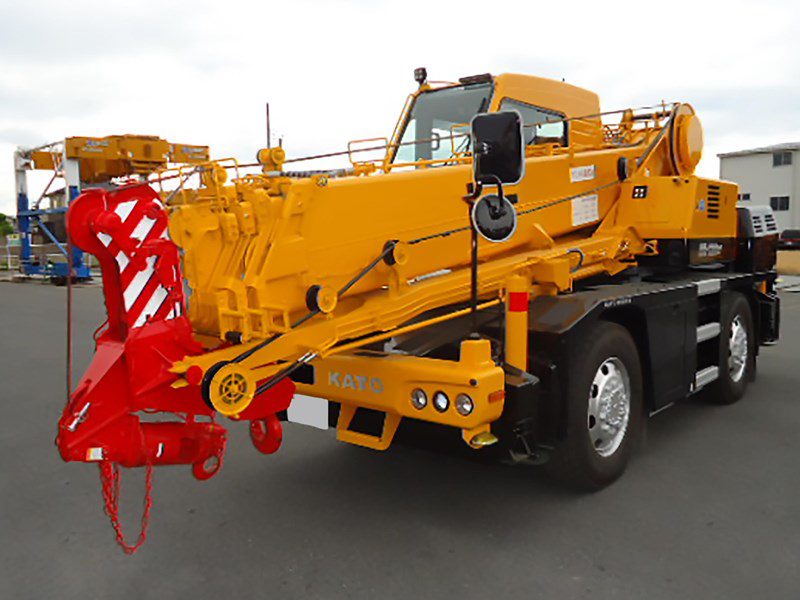
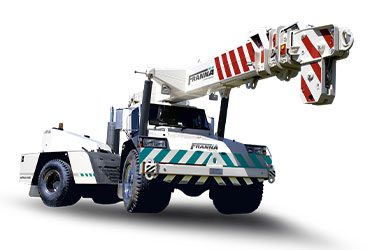
Mobile crane hire offers versatility across these contexts, but its application differs. On infrastructure sites, larger all-terrain cranes may be deployed to handle substantial loads under controlled conditions. In dense urban projects, smaller city-class cranes are favoured for their manoeuvrability and reduced footprint. The suitability of each approach depends on site constraints, load characteristics, and regulatory approvals.
Safety Standards Governing Emergency Lifting in Australia
Emergency does not mean exemption from regulation. Australian lifting operations are governed by a comprehensive safety framework designed to protect workers, the public, and surrounding assets. Standards such as AS 2550 for crane safe use and AS 1418 for crane design establish baseline requirements that apply regardless of urgency.
WorkSafe NSW plays a central role in enforcing compliance, particularly in metropolitan areas where incidents carry heightened public risk. Operators involved in mobile crane hire must hold appropriate high-risk work licences, and lifting plans must be documented even under time pressure. These requirements ensure that emergency responses do not introduce unacceptable safety compromises.
Licensing, Permits, and Regulatory Coordination
Emergency lifts in Sydney often require rapid coordination with multiple authorities. Road closures, traffic management plans, and local council permits may be necessary when cranes operate near public thoroughfares. Transport for NSW and local councils impose conditions to minimise disruption, even when timelines are compressed.
City crane hire southern highlands providers operating into Sydney must navigate these regulatory layers while ensuring compliance across jurisdictions. This complexity underscores why emergency lifting is as much an administrative challenge as a technical one. Builders who anticipate these requirements are better positioned to manage disruptions without escalating risk.
Technological Advances Shaping Emergency Lift Capability
Technological innovation has transformed how emergency lifts are planned and executed. Modern mobile cranes are equipped with load moment indicators, real-time telemetry, and advanced outrigger systems that enhance safety and efficiency. These features allow operators to assess site conditions quickly and make informed decisions under pressure.
Digital lift planning tools further support emergency responses by simulating crane configurations and load paths before deployment. In high-density environments, these tools reduce uncertainty and support compliance with Australian standards. As adoption increases, technology is narrowing the gap between planned and unplanned lifting operations.
Efficiency Versus Suitability in Crisis Scenarios
A recurring tension in emergency lifting is the balance between speed and suitability. Deploying the fastest available crane may not always be the safest or most effective option. Ground conditions, proximity to services, and weather must all be assessed, even when delays carry financial consequences.
Mobile crane hire providers are often relied upon to advise on these trade-offs, drawing on operational experience rather than purely commercial considerations. In contrast, fixed lifting solutions such as tower cranes offer limited flexibility once installed, making them less suitable for unplanned interventions despite their efficiency in routine operations.
Broader Implications for Project Risk Management
The frequency of emergency lifts highlights broader challenges in construction risk management. Design changes, supply chain volatility, and climate-related disruptions are increasing uncertainty across projects. As a result, contingency planning now routinely includes access to mobile crane hire as a risk mitigation measure rather than a last resort.
For Sydney builders, this shift reflects a pragmatic recognition that resilience depends on optionality. The ability to source lifting capacity quickly, whether locally or from regions such as the Southern Highlands, can determine whether a project absorbs a shock or cascades into delay.
A Sector Defined by Preparedness, Not Just Reaction
Emergency lifting scenarios offer a window into how the construction sector manages complexity under pressure. They reveal the importance of regulatory frameworks that maintain safety standards, technological tools that support rapid decision-making, and regional networks that extend capacity beyond city limits.
Mobile crane hire and city crane hire southern highlands operations are not inherently emergency services, yet they have become essential to emergency responses within modern construction. Their role underscores a broader truth about Australia’s built environment: resilience is engineered not only through design, but through the systems and standards that support action when plans go awry.