Australia’s major cities are building upward and inward at the same time. As urban density increases and infrastructure corridors become more congested, construction timelines are being squeezed by traffic restrictions, community expectations, and tighter regulatory oversight. Against this backdrop, the question of whether around-the-clock lifting capability can prevent costly delays has become more than theoretical. For many projects, especially in metropolitan areas, access to mobile crane hire outside conventional hours is increasingly viewed as a strategic necessity rather than a contingency.
Urban Congestion and the Shrinking Construction Window
Sydney, Melbourne, and Brisbane share a common challenge: peak-hour congestion that limits heavy vehicle movements and site access. Transport authorities often restrict oversized loads during morning and evening rush hours, while councils impose noise and safety controls that shape when lifting operations can occur. In this environment, construction schedules are no longer dictated solely by engineering logic but by urban mobility patterns.
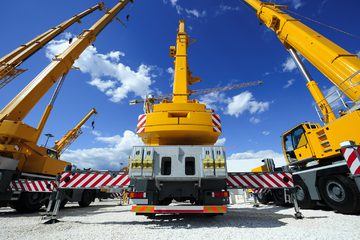
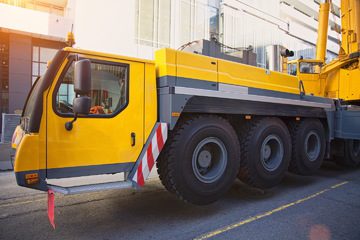
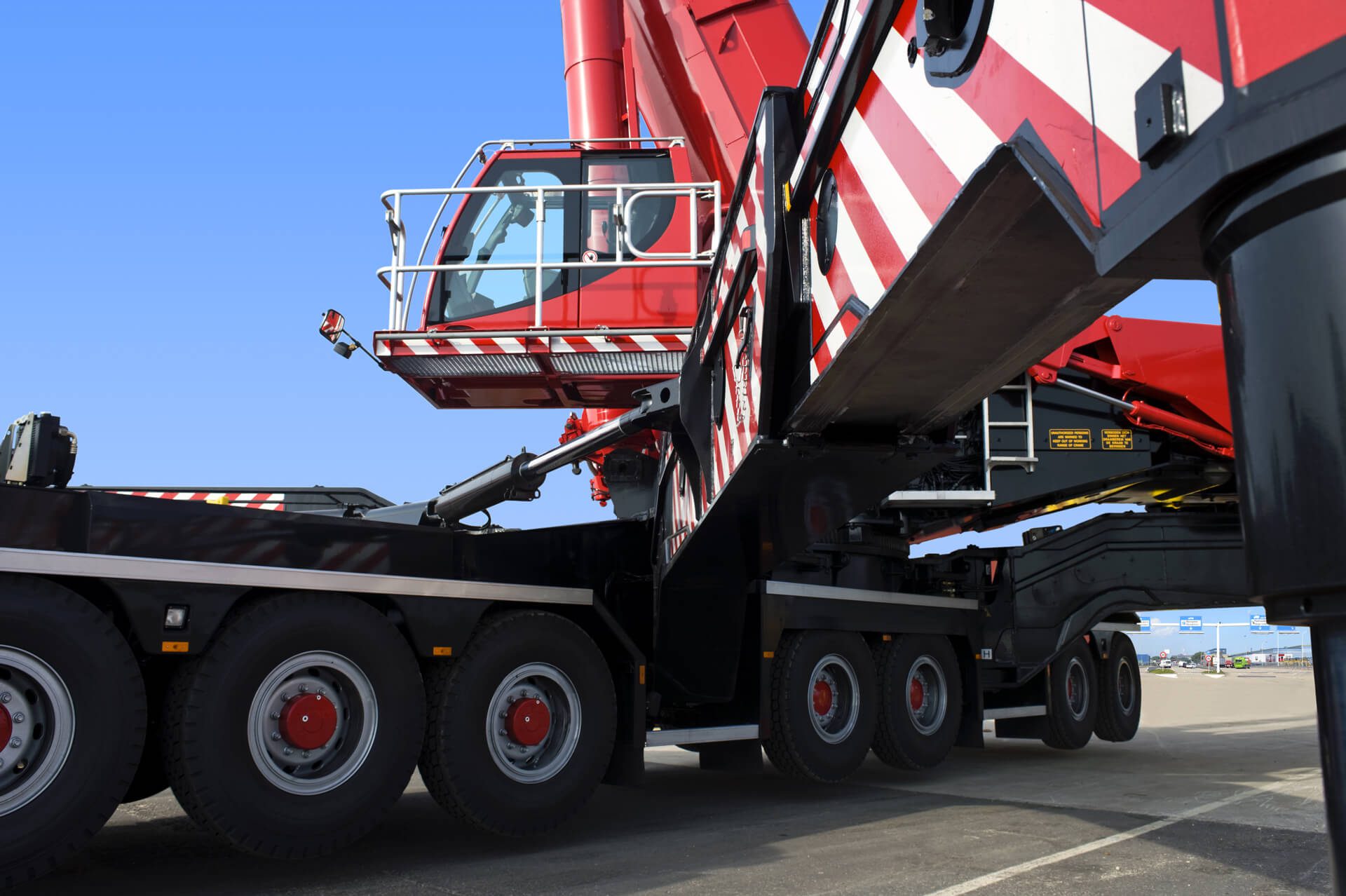
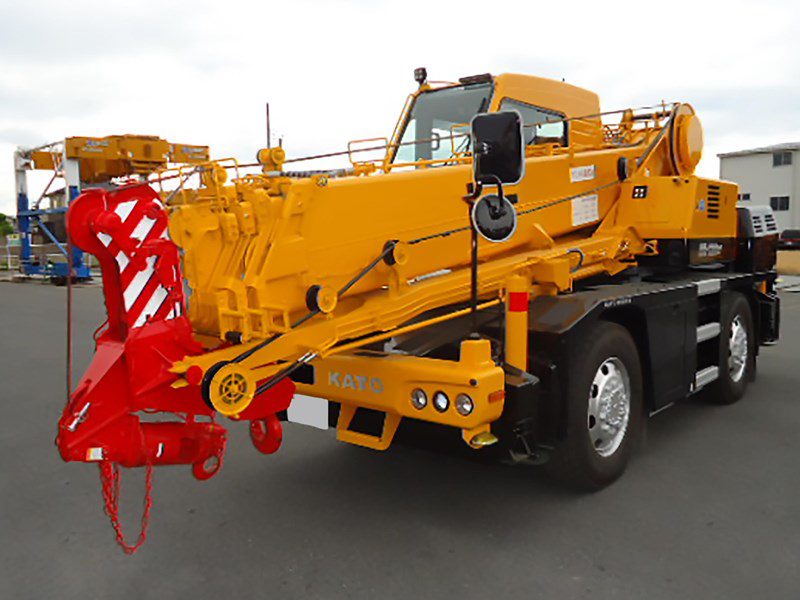
Mobile crane hire has evolved as a response to these constraints. Unlike fixed lifting systems, mobile cranes can be deployed rapidly, repositioned with minimal setup, and removed once a task is complete. When access during standard business hours is curtailed, 24/7 availability allows critical lifts to be scheduled overnight or in narrow off-peak windows, reducing interference with traffic and adjacent businesses.
Strategic Role of Mobile Cranes in Modern Australian Projects
The strategic importance of mobile crane hire lies in its adaptability. Infrastructure upgrades, high-rise construction, and urban renewal projects all rely on precise lifting operations that must align with broader logistical plans. On transport projects, cranes are often required to install bridge segments or signalling equipment within short rail or road possession windows. In dense urban developments, they may be needed to place prefabricated components without prolonged street closures.
By operating outside peak hours, mobile crane hire can help projects maintain momentum when daytime access is constrained. This approach does not eliminate risk, but it can mitigate the cascading delays that occur when a single missed lift pushes back subsequent trades. For project managers, the value lies in preserving schedule integrity rather than accelerating construction at all costs.
Comparing Mobile and Specialist Crane Applications
Not all cranes serve the same function, and industry practice reflects careful matching of equipment to task. Tower cranes dominate long-term high-rise developments where continuous vertical lifting is required. Their efficiency comes from permanence, but they lack flexibility when site conditions change or urgent lifts arise.
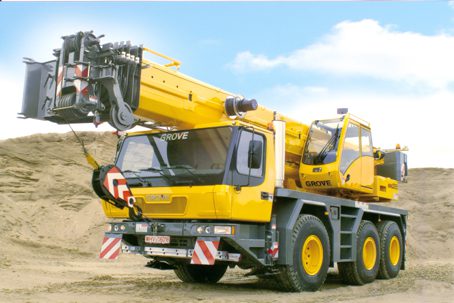
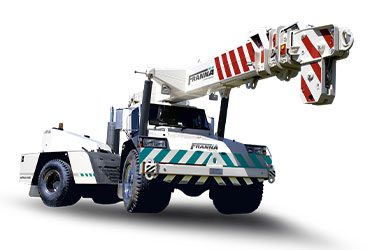
Mobile crane hire, by contrast, is typically deployed for discrete tasks: plant installation, structural steel placement, or equipment replacement. Within this category, franna crane hire sydney has become common for short-radius lifts in confined spaces, particularly on commercial and industrial sites. Franna-style pick-and-carry cranes are designed to lift and transport loads over short distances, making them well suited to time-sensitive operations during restricted access periods.
The distinction is not about superiority but suitability. Mobile cranes offer speed and adaptability, while fixed systems offer sustained capacity. Projects that rely solely on one approach often encounter inefficiencies when conditions deviate from the plan.
Rush Hour Constraints and the Case for 24/7 Operations
Rush hour represents more than traffic congestion; it is a convergence of safety, regulatory, and social pressures. Heavy lifting during peak periods increases interaction between construction activity and the public, elevating risk profiles. WorkSafe authorities across Australia consistently emphasise traffic management and exclusion zones as critical controls for crane operations.
By shifting lifts to late-night or early-morning hours, contractors can reduce exposure to these risks. Mobile crane hire operating on a 24/7 basis allows critical tasks to be decoupled from peak traffic cycles. However, this approach introduces its own challenges, including fatigue management, noise restrictions, and the need for enhanced lighting and supervision.
Safety Standards and Regulatory Frameworks
Crane operations in Australia are governed by a robust regulatory framework designed to prioritise safety regardless of operating hours. The model Work Health and Safety Regulations, adopted by most states and territories, require that all plant be operated by licensed personnel and maintained in accordance with manufacturer specifications.
Relevant Australian Standards, including AS 2550 for cranes and AS/NZS 4801 for occupational health and safety management systems, set expectations for inspection, load rating, and operational planning. State-based WorkSafe regulators oversee compliance, with particular scrutiny applied to high-risk work such as lifting near live traffic or occupied buildings.
When mobile crane hire is used overnight, these requirements do not diminish. In fact, regulators often expect additional controls, including detailed lift studies, traffic management plans approved by road authorities, and evidence of worker competency in low-visibility conditions.
Technological Advancements Supporting Off-Hour Lifting
Technology has played a significant role in making 24/7 crane operations more viable. Modern mobile cranes are equipped with advanced load monitoring systems, wind speed sensors, and computerised safety interlocks that reduce reliance on manual judgement alone. These systems are particularly valuable during night work, when environmental cues are less visible.
Telematics and digital scheduling tools also allow project teams to coordinate mobile crane hire more precisely, aligning delivery times, site readiness, and operator availability. For franna crane hire sydney operations, improvements in steering, braking, and load stability have expanded their usability in tight urban environments without compromising safety margins.
Workforce Considerations and Fatigue Management
While equipment capability is essential, the human factor remains central to safe crane operations. Extended-hour work introduces fatigue risks that must be actively managed. Australian safety regulators require employers to implement fatigue management strategies, including shift rotation, rest breaks, and fitness-for-work assessments.
In practice, this means that 24/7 mobile crane hire is not simply a matter of extending hours but of structuring work in a way that maintains operator alertness and decision-making capacity. Projects that overlook this aspect may find that the intended time savings are offset by increased incident risk or regulatory intervention.
Economic Implications for Project Delivery
From an economic perspective, the value of around-the-clock lifting lies in risk avoidance rather than cost reduction. Delays caused by missed access windows can trigger contractual penalties, disrupt supply chains, and strain relationships with stakeholders. Mobile crane hire deployed strategically during off-peak hours can help stabilise project timelines in volatile urban environments.
However, extended-hour operations also incur additional costs related to staffing, compliance, and site preparation. The decision to use franna crane hire sydney or other mobile crane solutions overnight must therefore be grounded in a clear assessment of schedule risk versus operational complexity.
Balancing Community Impact and Construction Needs
Public tolerance for construction activity, particularly at night, is limited. Noise restrictions imposed by local councils reflect community expectations around amenity and rest. Projects that rely on 24/7 mobile crane hire must navigate these constraints carefully, often engaging in consultation and implementing noise mitigation measures.
The broader trend suggests that urban construction will increasingly rely on shorter, more intense work windows rather than prolonged disruption. Mobile crane hire fits within this model by enabling rapid task completion, provided it is planned and regulated effectively.
A Conditional Solution to a Structural Challenge
Can 24/7 mobile crane hire save a project during rush hour? The answer is conditional. In the context of Australia’s congested cities and stringent safety frameworks, extended-hour lifting can provide a critical buffer against delay when conventional access is unavailable. Its effectiveness depends on appropriate equipment selection, rigorous compliance with standards, and realistic management of workforce and community impacts.
As urban development continues to accelerate, the strategic use of mobile crane hire, including specialised applications such as franna crane hire sydney, is likely to remain an important, if carefully managed, component of modern construction delivery.