Australia’s construction sector operates on finely balanced schedules. From urban infill developments to transport infrastructure and high-rise residential towers, timing is often as critical as engineering. Within this environment, the availability of lifting equipment plays a decisive role. When projects fail to secure mobile crane hire or coordinated tower crane hire sydney at the right moment, the consequences can ripple far beyond a single missed day on site.
This issue has become more pronounced as Australian cities densify, labour markets tighten, and infrastructure pipelines grow increasingly complex. Understanding what happens when the crane window is missed offers insight into how modern construction projects manage risk, sequencing, and regulatory compliance.
The Strategic Role of Crane Availability in Australian Construction
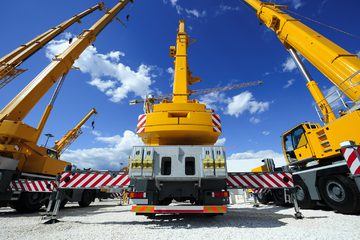
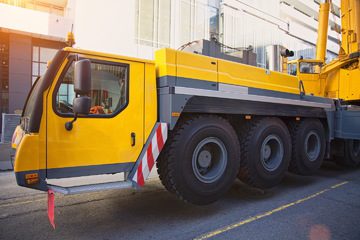
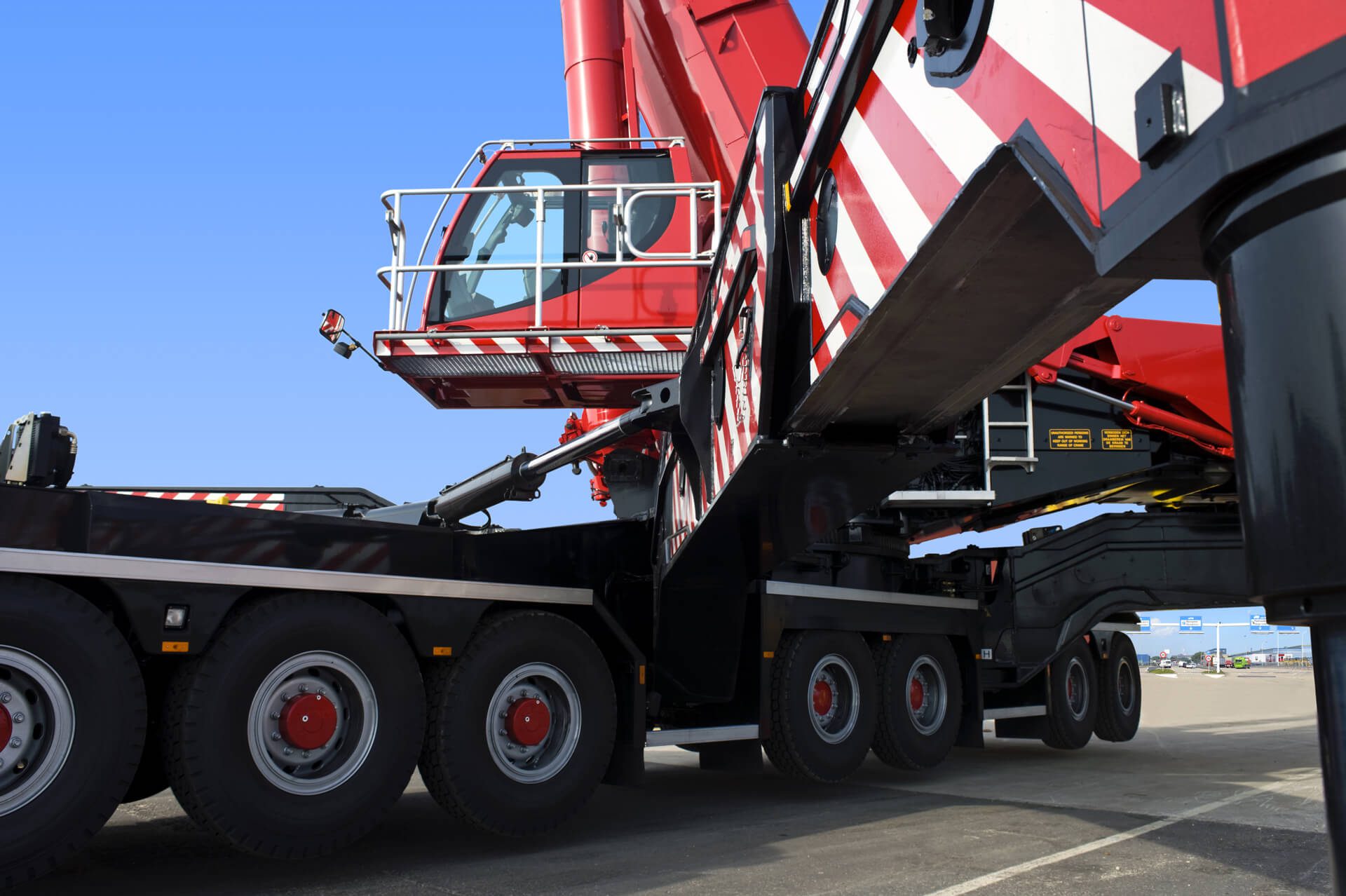
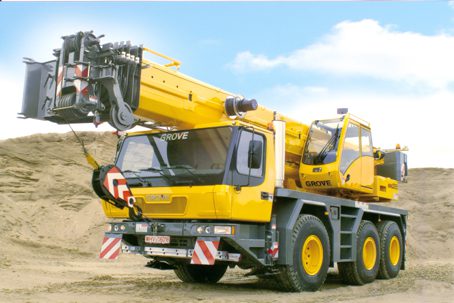
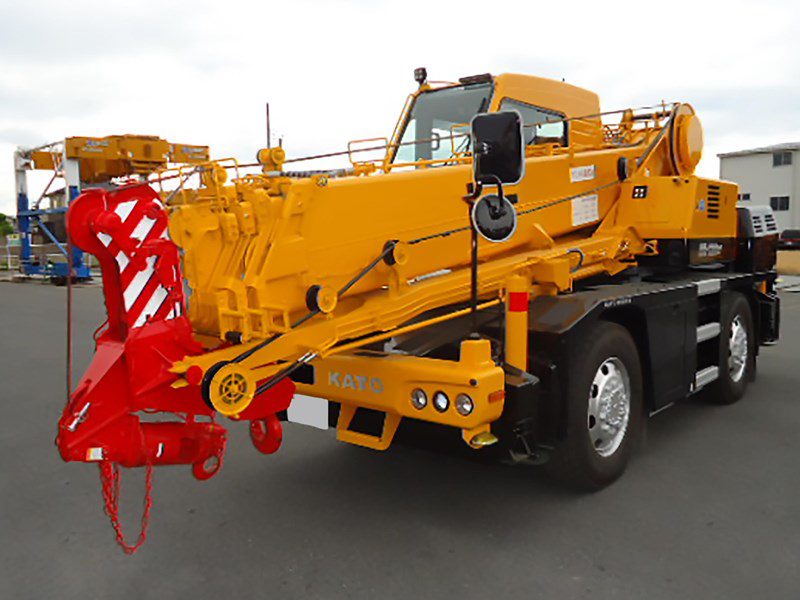
Cranes are not interchangeable assets that can be substituted at short notice. Mobile crane hire underpins a wide range of activities, including structural steel placement, precast panel installation, plant positioning, and mechanical lifts. In metropolitan regions, where projects often compete for the same pool of equipment, advance scheduling is integral to overall project viability.
In parallel, tower crane hire sydney is typically planned months, sometimes years, in advance for high-rise developments. These cranes define construction methodology, material flow, and even site layout. Missing the mobilisation window for a crane can disrupt not only lifting operations but also downstream trades whose work depends on those lifts being completed in sequence.
In practice, crane availability has become a strategic constraint comparable to skilled labour or material supply. Developers and contractors increasingly factor crane lead times into feasibility studies, recognising that delays in access can materially affect cost, risk exposure, and delivery certainty.
What Actually Happens When the Window Is Missed
When a project misses its allocated window for mobile crane hire, the immediate impact is usually programme slippage. Critical lifts may be postponed by days or weeks, particularly during peak construction periods when demand outstrips supply. Unlike other plant, cranes are often booked back-to-back across multiple sites, leaving little slack in provider schedules.
This delay can cascade. Concrete pours may need rescheduling, prefabricated elements might require off-site storage, and subcontractors may demobilise and remobilise at additional cost. For projects operating under liquidated damages provisions, these disruptions can translate into significant financial exposure.
In high-rise environments, the effects are magnified. If tower crane hire sydney schedules are disrupted during erection or dismantling phases, projects can face prolonged stand-downs. Given that tower cranes are integral to daily vertical logistics, any interruption can stall entire floors of activity rather than isolated tasks.
Infrastructure Versus Urban Development: Different Stakes, Same Risks
The consequences of missed crane windows vary across project types. In linear infrastructure projects such as rail or road upgrades, mobile crane hire is often required for short, high-impact operations like bridge girder placement or night-time lifts over live corridors. Missing these windows can force costly re-negotiations with transport authorities and extend traffic disruptions.
In dense urban developments, the risks are more systemic. Sites constrained by neighbouring buildings, traffic management plans, and council permits have limited flexibility. When mobile crane hire is unavailable, there may be no alternative lifting method that complies with approved site logistics. In these contexts, lost crane time often equates to lost calendar time, with little opportunity for recovery.
By contrast, large greenfield projects may have more spatial flexibility, but even here, missed crane availability can disrupt critical path activities, particularly where specialised lifting capacity is required.
Technology and Planning: Reducing, Not Eliminating, the Risk
Advances in planning software and digital construction management have improved visibility around crane scheduling. Building information modelling allows teams to simulate lift sequences, clash risks, and crane reach requirements in detail. This has helped optimise the use of mobile crane hire by matching lift plans more precisely to equipment capability.
However, technology cannot fully mitigate market constraints. Even the most detailed lift plan depends on actual crane availability and qualified operators. The growing use of prefabrication and modular construction has, in some cases, increased reliance on fewer but more critical lifts, raising the stakes if scheduled crane windows are missed.
In high-rise construction, tower crane hire sydney increasingly incorporates remote monitoring, anti-collision systems, and wind-speed controls. While these innovations enhance safety and efficiency, they do not shorten lead times for installation or dismantling, which remain highly regulated and resource-intensive processes.
Regulatory and Safety Implications of Delayed Lifting Operations
Australian safety frameworks add another layer of complexity when crane schedules slip. Under Work Health and Safety laws administered by Safe Work Australia and state-based WorkSafe authorities, lifting operations must be conducted in accordance with approved lift studies, risk assessments, and operator licensing requirements.
If mobile crane hire is delayed beyond its planned window, previously approved lift documentation may need to be reviewed or revalidated. Changes in site conditions, weather exposure, or adjacent works can render earlier assessments obsolete. This can introduce further delays as new approvals are sought.
Australian Standards, including AS 2550 for cranes and AS 1418 for crane design, set strict parameters around operation, inspection, and maintenance. Compliance cannot be expedited to compensate for lost time. In high-risk environments, regulators may require revised notifications or permits if tower crane hire sydney timelines change materially, particularly where public interfaces are affected.
Labour, Licensing, and Operator Availability
Crane operations depend not only on machines but also on licensed personnel. Australia’s high-risk work licensing framework requires crane operators, doggers, and riggers to hold appropriate credentials. When a project misses its crane window, it may also lose access to a booked crew, who are then reassigned elsewhere.
Reassembling a compliant team at short notice can be difficult, especially during periods of heightened construction activity. This challenge applies equally to mobile crane hire and tower crane hire sydney, where experienced crews familiar with specific sites and lift plans are particularly valuable.
The result is that delays can compound, as projects wait not just for equipment but for the right combination of personnel, approvals, and site readiness.
Economic and Contractual Consequences
From a commercial perspective, missed crane windows expose projects to indirect costs that are often underestimated. Idle labour, extended preliminaries, and prolonged site overheads can erode margins. In fixed-price contracts, these costs may not be recoverable, placing pressure on contractors’ financial performance.
For developers, delays tied to crane availability can affect financing arrangements, settlement timelines, and market exposure. In high-rise residential projects, disruptions linked to tower crane hire sydney can shift completion dates into less favourable market conditions, amplifying commercial risk beyond construction costs alone.
These realities explain why crane scheduling has moved from an operational detail to a board-level consideration on major Australian projects.
Why Timing Has Become More Critical Than Ever
Several structural trends have heightened the consequences of missing crane hire windows. Urban densification has reduced spatial flexibility, infrastructure investment has increased competition for resources, and stricter safety oversight has limited the ability to accelerate works after delays occur.
At the same time, construction methodologies increasingly rely on precise sequencing. Whether through prefabrication or vertical construction, modern projects assume that mobile crane hire and tower crane hire sydney will be available exactly when planned.
When that assumption proves false, the impacts extend well beyond a single missed lift. They reveal how tightly coupled time, technology, regulation, and risk have become in Australia’s built environment.
In this context, missing the window for crane access is not merely an inconvenience. It is a stress test of a project’s planning discipline, resilience, and understanding of the complex ecosystem that underpins contemporary construction.