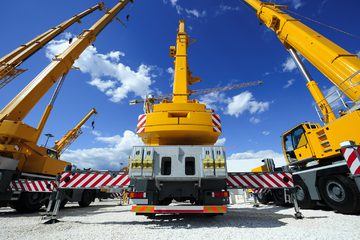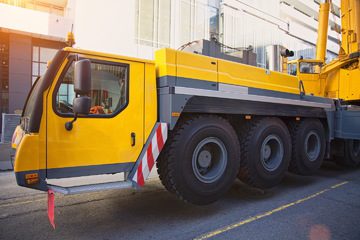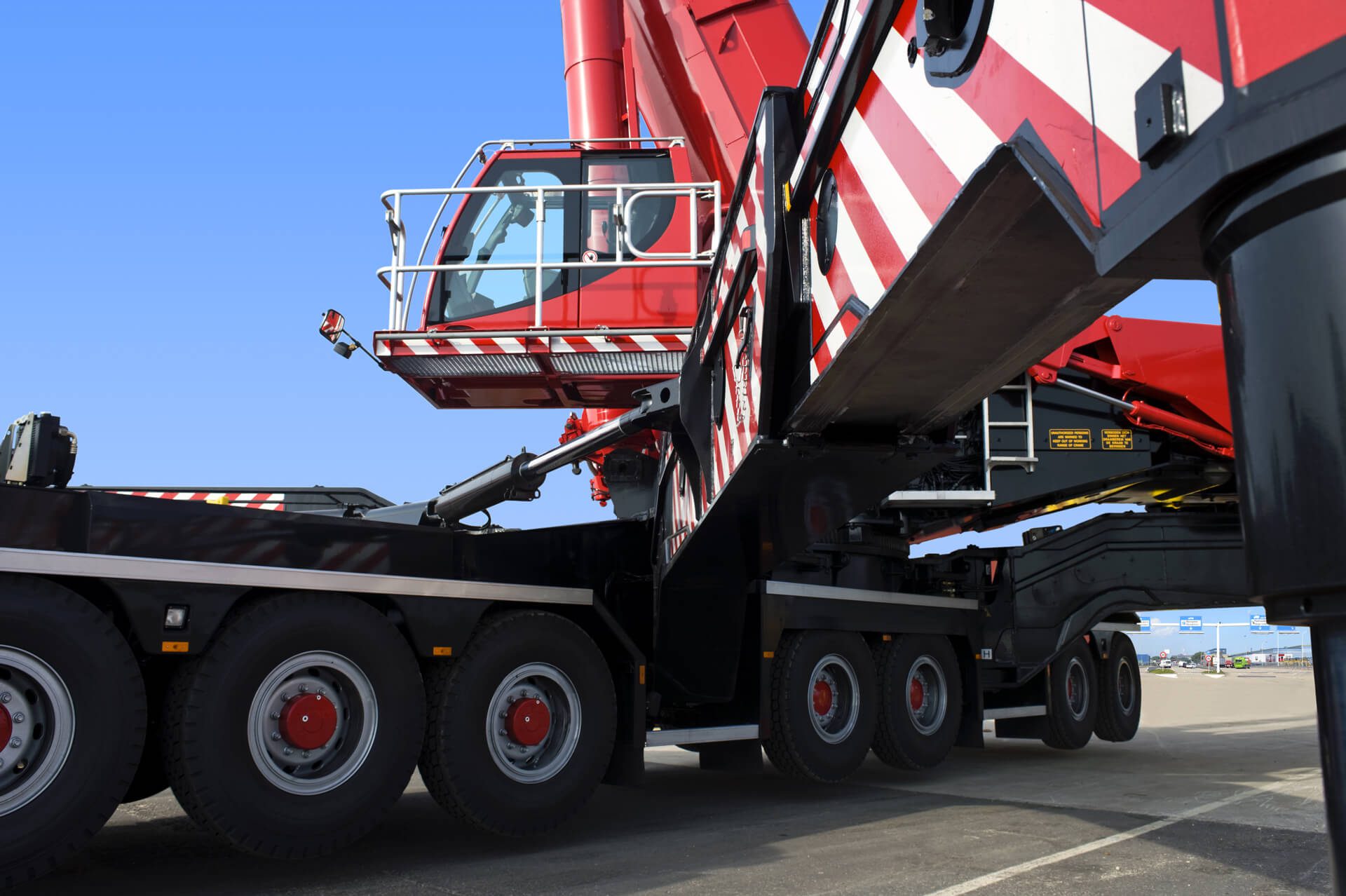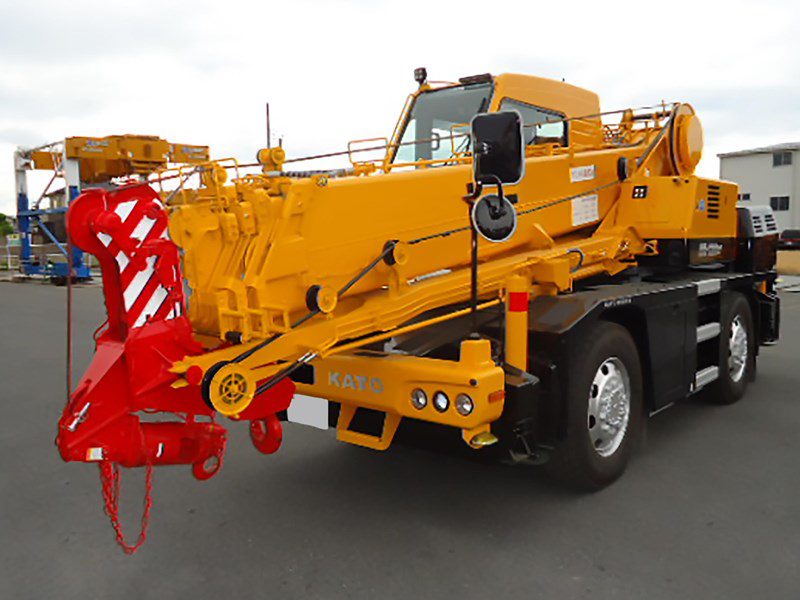
Australia’s construction sector is operating under unprecedented pressure. Accelerated infrastructure programs, chronic skills shortages, and increasingly complex urban environments have tightened project timelines across major cities. In Sydney, where dense development meets aging infrastructure, the ability to mobilise lifting capacity quickly has become a strategic concern rather than a logistical footnote. Against this backdrop, mobile crane hire and city crane hire sydney have emerged as essential components of modern construction planning, particularly when projects face unplanned constraints or urgent schedule adjustments.
This article examines how rapid-access crane services fit into Australia’s evolving construction landscape, how they are deployed across different project types, and what regulatory and technological frameworks govern their use.
Urban Construction Pressures in a Rapidly Growing Sydney
Sydney’s urban footprint is changing faster than at any point in recent decades. Transport corridors, residential towers, commercial redevelopments, and utilities upgrades are increasingly delivered in live environments where disruption must be minimised. Traditional project sequencing, with long equipment lead times and fixed-site machinery, often struggles to adapt to this reality.
In response, project managers are turning to mobile crane hire as a flexible solution that can be deployed on short notice. Unlike fixed cranes, mobile units can be transported, configured, and removed within narrow windows, aligning with night works, partial road closures, or emergency repairs. In central districts, city crane hire sydney reflects a broader shift toward adaptable equipment strategies that prioritise speed without sacrificing compliance or safety.
This trend is not limited to commercial developments. Public infrastructure works, including bridge maintenance and rail upgrades, increasingly rely on rapid crane mobilisation to meet strict possession times imposed by transport authorities.
Strategic Role of Mobile Cranes in Modern Construction
At a strategic level, cranes are no longer viewed solely as lifting tools. They are risk-management assets that influence cost certainty, scheduling resilience, and workforce efficiency. Mobile crane hire supports this shift by allowing contractors to match lifting capacity precisely to task requirements, rather than committing to fixed equipment for the duration of a project.
In high-rise construction, mobile cranes are often used during early structural phases or for specific lifts where tower cranes are impractical. In contrast, infrastructure projects favour mobile cranes for their ability to operate across multiple locations within a single work cycle. Within dense precincts, city crane hire sydney has become synonymous with short-duration, high-precision lifts that must coexist with pedestrian traffic, adjacent buildings, and active transport corridors.
These differing applications underscore a broader industry move toward modular construction planning, where equipment is selected dynamically rather than locked in during initial design stages.
Comparing Approaches Across Project Types
Infrastructure projects such as road widening, bridge refurbishment, or utility installation typically demand cranes that can relocate quickly and operate on uneven or constrained terrain. Here, mobile cranes offer clear advantages in reach and adaptability, particularly when access conditions change daily.
High-rise developments present a different challenge. While tower cranes dominate vertical construction, mobile cranes are increasingly used for heavy component installation, façade panels, and mechanical plant placement. Their role is episodic but critical, often determining whether a project can recover lost time.
In inner-city commercial refurbishments, city crane hire sydney reflects a niche but growing practice. These projects require compact crane configurations, precise load control, and close coordination with traffic management plans. The efficiency gains are significant, but so are the planning demands, as every lift must be justified within narrow regulatory and spatial limits.
Technology Reshaping Crane Operations
Technological advancement has transformed the capabilities of mobile cranes over the past decade. Modern units are equipped with advanced load-moment indicators, digital wind monitoring, and real-time stability controls. These systems enhance safety while allowing cranes to operate closer to their maximum rated capacity under controlled conditions.
Telematics and remote diagnostics are also becoming standard. For contractors using mobile crane hire, this translates into improved reliability and predictive maintenance, reducing the risk of unplanned downtime. In urban environments, these technologies are particularly valuable, as they support precise lift planning and compliance documentation.
Simulation software now allows engineers to model complex lifts before equipment arrives on site. For city crane hire sydney, where spatial constraints are acute, this capability is essential for coordinating lifts around existing structures, overhead services, and public safety zones.
Safety and Compliance in the Australian Context
Crane operations in Australia are governed by a robust regulatory framework designed to mitigate high-risk activities. Safe Work Australia provides national guidance, while enforcement is managed by state regulators such as SafeWork NSW. These bodies set expectations for risk assessments, operator competency, and site supervision.
Australian Standards, including AS 2550 for cranes and hoists and AS 1418 for crane design, establish technical benchmarks that apply regardless of whether equipment is hired or owned. Contractors engaging mobile crane hire remain responsible for ensuring that lifts are planned and executed in accordance with these standards.
In urban settings, city crane hire sydney often triggers additional requirements, including development approvals, traffic management permits, and coordination with local councils. These layers of compliance can influence scheduling decisions and underscore the importance of early regulatory engagement.
Licensing, Competency, and Workforce Considerations
Operator licensing is a critical component of crane safety in Australia. High-risk work licences, issued under state-based frameworks, are mandatory for crane operators and doggers. Ongoing training is increasingly emphasised, particularly as technology introduces new operational interfaces.
The industry also faces a shortage of experienced personnel, which amplifies the appeal of hiring solutions that include qualified operators. From a strategic perspective, mobile crane hire allows contractors to access specialised skills without maintaining them in-house, aligning workforce deployment with actual project demand.
In metropolitan areas, city crane hire sydney further highlights the need for operators familiar with urban risk profiles, including proximity to the public and complex exclusion zones.
Economic and Scheduling Implications
Time pressure is a defining feature of contemporary construction. Delays can cascade across supply chains, inflating costs and eroding stakeholder confidence. By enabling rapid deployment, mobile crane hire offers a mechanism for mitigating schedule risk, particularly when unforeseen events disrupt original plans.
However, instant availability does not eliminate the need for careful planning. Short-notice lifts still require engineering verification, site preparation, and regulatory sign-off. In central Sydney, where city crane hire sydney is most prevalent, the challenge lies in balancing urgency with due diligence.
From an economic standpoint, the ability to pay for lifting capacity only when needed aligns with broader trends toward asset-light project delivery. This approach is increasingly attractive in an environment of volatile material costs and uncertain labour availability.
Challenges and Limitations
Despite their advantages, mobile cranes are not a universal solution. Site access limitations, ground-bearing capacity, and weather sensitivity can constrain their use. In some cases, the logistical effort required to mobilise a crane at short notice may outweigh the perceived time savings.
Urban communities also express concerns about noise, road closures, and safety, placing additional scrutiny on city crane hire sydney operations. Transparent communication and rigorous compliance are essential to maintaining public trust.
These challenges reinforce the importance of viewing crane hire as one component of an integrated construction strategy rather than a standalone fix.
Looking Ahead: Adaptability as a Competitive Advantage
As Australia continues to invest in urban renewal and infrastructure resilience, adaptability will remain a defining feature of successful projects. Mobile crane hire reflects this shift, offering flexibility in an industry where uncertainty is increasingly the norm.
In Sydney’s dense urban core, city crane hire sydney illustrates how traditional construction practices are being reconfigured to meet modern constraints. The question is no longer whether cranes can lift heavy loads, but whether projects can deploy them intelligently, safely, and at the right moment.
For industry professionals and observers alike, the growing reliance on rapid crane mobilisation signals a broader transformation in how construction responds to time, space, and risk. In that context, the answer to whether instant access is the solution may depend less on speed alone and more on how well that speed is governed.