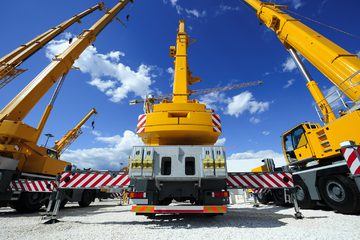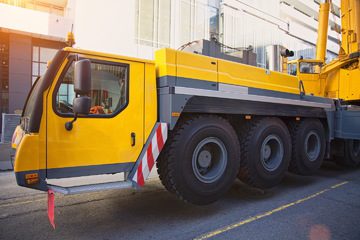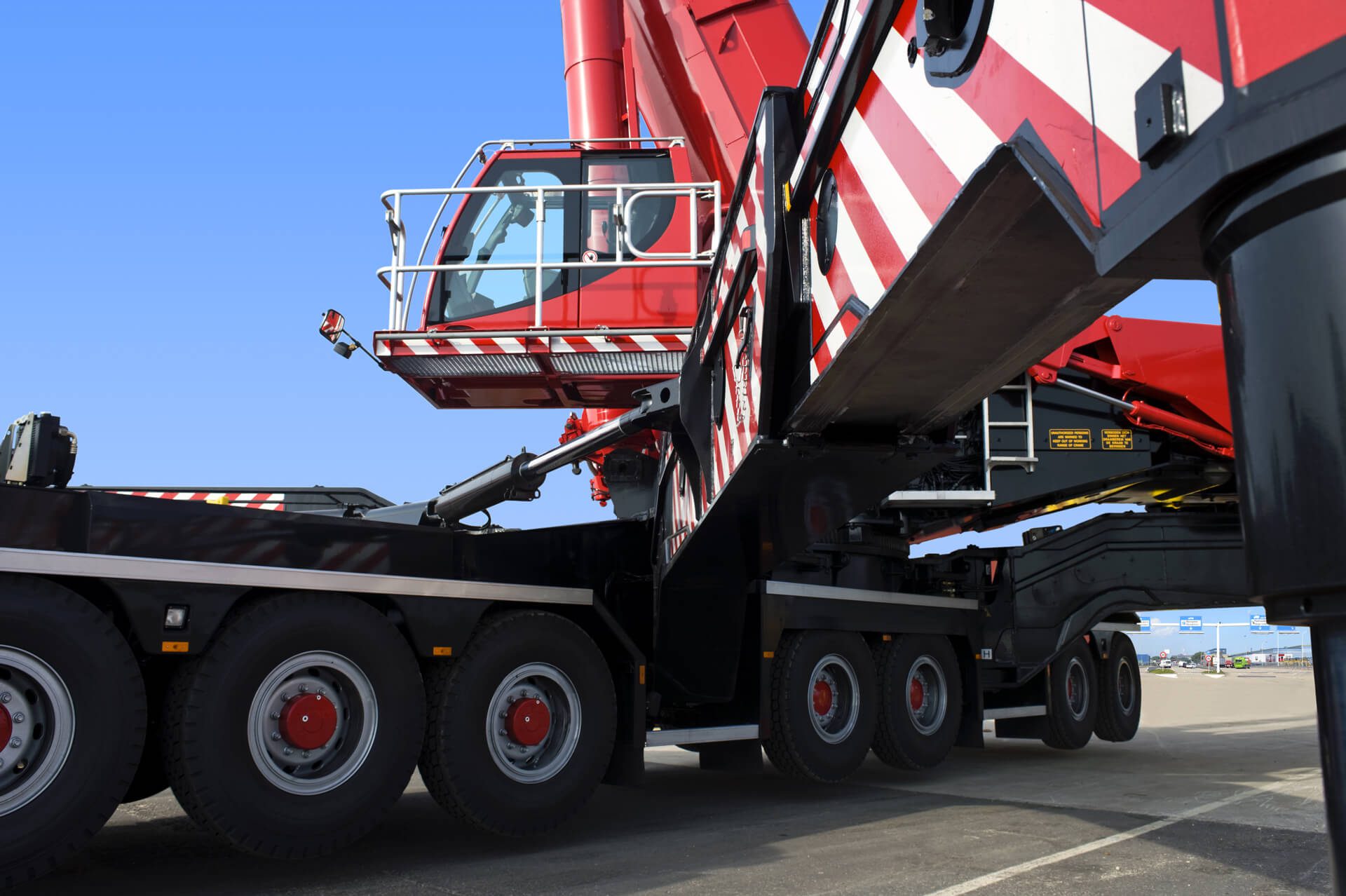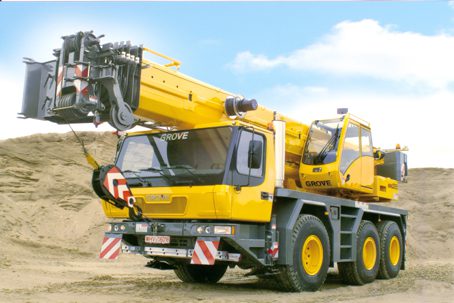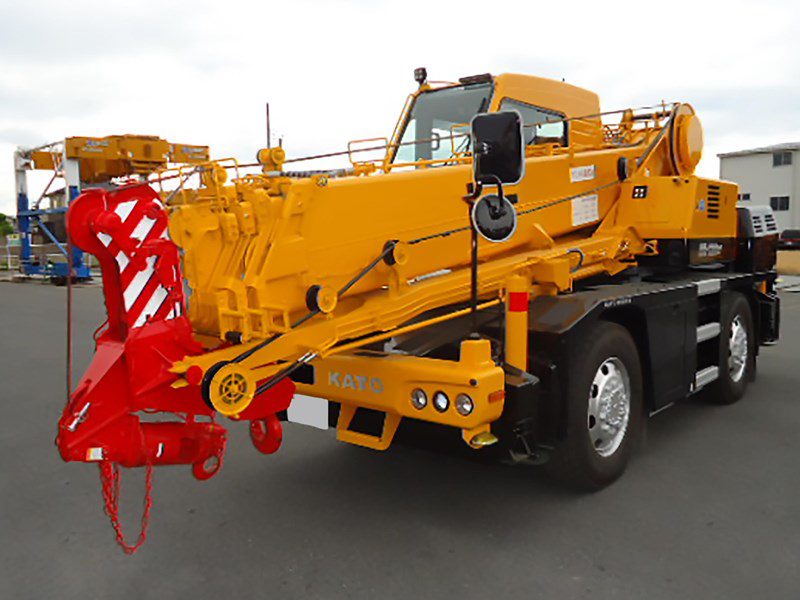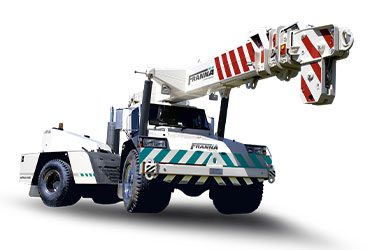
In the high-stakes world of Australian construction, where multi-billion dollar infrastructure projects reshape urban skylines and coastal cities push vertical boundaries, the margin for error in heavy lifting operations has effectively disappeared. As Melbourne’s Collins Street precinct reaches skyward and Sydney’s Barangaroo development nears completion, the engineering precision demanded of crane operations has evolved from best practice to absolute necessity. The question facing Australia’s construction sector is no longer whether sophisticated lifting equipment is needed, but how operators translate engineering theory into flawless execution when a single miscalculation could halt projects worth hundreds of millions.
The complexity begins long before any load leaves the ground. High-risk lifts—those involving loads exceeding 75 tonnes, awkward geometries, or operations in constrained spaces—require engineering analysis that would satisfy the scrutiny of aeronautical design. Mobile crane hire specialists conducting such operations must account for variables that include ground bearing capacity, wind loading coefficients, dynamic load factors, and the center of gravity calculations that determine whether a lift succeeds or becomes a catastrophic failure.
The Science Behind Controlled Heavy Lifting
Modern lifting operations in Australia operate within a regulatory framework established by SafeWork authorities across states and territories, governed by the national Work Health and Safety regulations and the AS 2550 series of standards covering crane operations. These frameworks mandate that high-risk lifts undergo comprehensive engineering assessment before execution, transforming what appears as mechanical work into applied physics.
The process begins with soil analysis. Ground conditions across Australian construction sites vary dramatically—from the Hawkesbury sandstone underlying much of Sydney to Melbourne’s reactive clay soils. Engineers must determine whether existing ground can support the concentrated loads that cranes impose. A mobile crane configured for a 100-tonne lift can generate ground pressures exceeding 200 tonnes per square meter at outrigger points. Where natural ground proves insufficient, operators install crane mats or engineered pads, effectively creating temporary foundations that distribute loading across larger surface areas.
Load dynamics introduce further complexity. Unlike static weights, lifted loads behave as dynamic systems subject to pendulum effects, wind forces, and acceleration loads during hoisting. Australian standards require that crane selection accounts for these factors through detailed lift planning, where engineers calculate load charts specific to machine configuration, boom length, and working radius. The mathematics becomes particularly intricate with mobile crane hire operations in congested urban environments, where obstacles limit crane positioning and force operators to work at extended radii where capacity diminishes significantly.
Urban Density and the Tower Crane Equation
While mobile units provide flexibility and rapid deployment, dense urban construction presents scenarios where tower crane hire Western Sydney operators and their counterparts across metropolitan areas confront different engineering challenges. Tower cranes, fixed to building structures or freestanding bases, offer working envelopes that mobile cranes cannot match in confined sites. The trade-off manifests in complexity—tower crane installations require structural engineering integration with the buildings they serve and foundation systems capable of resisting overturning moments that can exceed 10,000 kilonewton-meters.
The distinction between mobile and tower crane applications reflects fundamental differences in project requirements. Mobile cranes excel in flexibility, capable of repositioning around sites and departing once specific lifting sequences complete. Tower cranes dominate vertical construction where repetitive lifting over extended periods justifies installation costs and where site constraints prevent mobile crane access. In Western Sydney’s expanding industrial corridors and residential developments, tower crane hire operations increasingly incorporate climbing systems that allow cranes to rise alongside structures they’re building, eliminating the height limitations that would otherwise require progressively larger and more expensive mobile alternatives.
Technology Reshaping Risk Management
The digital transformation of crane operations represents perhaps the most significant evolution in lifting safety since the introduction of load moment indicators in the 1970s. Contemporary cranes incorporate systems that continuously monitor dozens of parameters, from wind speed and direction to boom angle and load weight, comparing actual conditions against pre-programmed safe working envelopes. When parameters approach limits, systems alert operators and, in critical scenarios, prevent movements that would exceed crane capacity.
Advanced planning software has similarly transformed pre-lift engineering. Three-dimensional modeling allows engineers to simulate entire lifting operations virtually, identifying potential conflicts between crane components and surrounding structures, optimizing crane positioning, and verifying that proposed rigging configurations will maintain loads within safe parameters. Such technology proved essential in recent Sydney Metro construction, where crane operations occurred within meters of active rail corridors and required precision that left no margin for spatial error.
Remote monitoring capabilities now allow engineering teams to oversee multiple lifting operations simultaneously, with real-time data transmission enabling immediate intervention when conditions change. During extreme weather events—increasingly relevant as climate patterns shift—operators can make informed decisions about suspending operations based on actual wind measurements rather than estimates, reducing both unnecessary delays and dangerous exposure to conditions exceeding safe limits.
The Human Element in Precision Operations
Despite technological advancement, high-risk lifting remains fundamentally dependent on human expertise. Crane operators holding high-risk work licenses issued under Australian regulations undergo training that spans years, developing the spatial awareness and mechanical intuition that technology supports but cannot replace. The distinction between adequate and exceptional operators manifests in their ability to interpret load behavior, anticipate environmental changes, and execute complex rigging sequences where millimeter precision determines success.
Dogmen and riggers—the personnel responsible for attaching loads and guiding lift operations—complete equally demanding training regimens. Their role involves calculating sling angles, selecting appropriate rigging hardware, and determining load attachment points that maintain stability throughout lifting operations. In scenarios involving irregular loads or components with unclear centers of gravity, rigger experience often proves more valuable than engineering calculations, as they assess load behavior through observation and adjust rigging configurations accordingly.
The integration of these human and technological elements creates what industry professionals describe as a “culture of verification,” where multiple checkpoints prevent single-point failures. High-risk lift procedures typically require engineering review, supervisor approval, pre-lift meetings involving all personnel, and staged load testing before full lifts proceed. This redundancy, while time-intensive, reflects the recognition that lifting incidents result not from single errors but from cascading failures where multiple protective systems prove inadequate.
Regulatory Evolution and Industry Standards
Australian crane operations exist within a regulatory environment that continues evolving in response to incidents, technological capability, and international best practice. The harmonization of state-based regulations into national frameworks under Work Health and Safety legislation established consistent standards, yet significant variations persist in licensing requirements and operational oversight between jurisdictions. New South Wales maintains perhaps the most stringent requirements, with mandatory certification for crane operations and regular auditing of high-risk work license holders.
The AS 2550 standard series, covering crane safety requirements and operations, undergoes periodic revision to address emerging technologies and operational practices. Recent updates incorporated provisions for remote-controlled crane operations and clarified requirements for operations near powerlines—a persistent hazard in urban environments where overhead electrical infrastructure creates exclusion zones that constrain crane movements.
Industry bodies including the Crane Industry Council of Australia advocate for practices exceeding minimum regulatory requirements, promoting voluntary adoption of international standards and encouraging operators to implement safety management systems that embed risk assessment into routine operations. This self-regulatory impulse reflects both genuine commitment to safety improvement and pragmatic recognition that major incidents trigger regulatory responses that can reshape entire operational frameworks.
The engineering sophistication underlying modern high-risk lifting operations reflects construction industry maturation, where the consequences of failure—measured in lives, project delays, and financial exposure—justify substantial investment in planning, equipment, and personnel development. As Australian cities continue vertical expansion and infrastructure projects increase in scale and complexity, the precision demanded of lifting operations will only intensify, requiring continued evolution in technology, training, and the engineering analysis that transforms mechanical possibility into reliable execution.