Australia’s major cities are building upward rather than outward. From Sydney’s inner suburbs to Melbourne’s established commercial corridors, construction sites are increasingly constrained by narrow boundaries, adjacent buildings, transport corridors, and strict planning controls. In this environment, the choice of lifting equipment has become a strategic decision rather than a purely technical one. Among the options, luffing cranes have emerged as a critical tool for navigating dense urban sites, raising an important question for project planners and policymakers alike: can luffing cranes truly function effectively within confined city environments?
Urban Density and the Changing Construction Landscape
Urban infill development now accounts for a substantial share of Australia’s construction activity. Population growth, housing shortages, and infrastructure renewal have driven projects into areas originally designed for far lower density. In cities such as Sydney and Brisbane, construction often occurs within metres of live traffic, heritage buildings, and residential towers.
This context has reshaped crane deployment strategies. Traditional hammerhead tower cranes, with long horizontal jibs, can create oversailing risks in tight environments. As a result, luffing cranes, which raise and lower their jibs vertically, have become increasingly prominent in discussions around luffing crane hire for complex urban developments. Their ability to limit horizontal movement has positioned them as a potential solution where airspace control is paramount.
How Luffing Cranes Operate in Confined Spaces
Luffing cranes differ fundamentally from flat-top or hammerhead cranes in how they manage reach and load movement. By adjusting the jib angle, operators can control the working radius without extending beyond site boundaries. This characteristic allows lifting operations to occur with minimal oversail over neighbouring properties, an issue frequently scrutinised by planning authorities and insurers.
In confined urban sites, this flexibility translates into operational predictability. Loads can be lifted and placed with greater precision, even when surrounded by active construction zones or occupied buildings. For high-rise residential towers and commercial developments, particularly in inner-city Sydney, this capability has made luffing crane hire a standard consideration during early project planning stages rather than a last-minute adjustment.
Strategic Integration with Other Crane Types
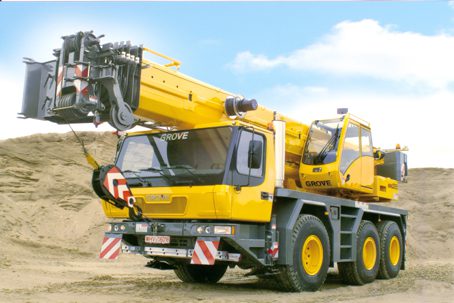
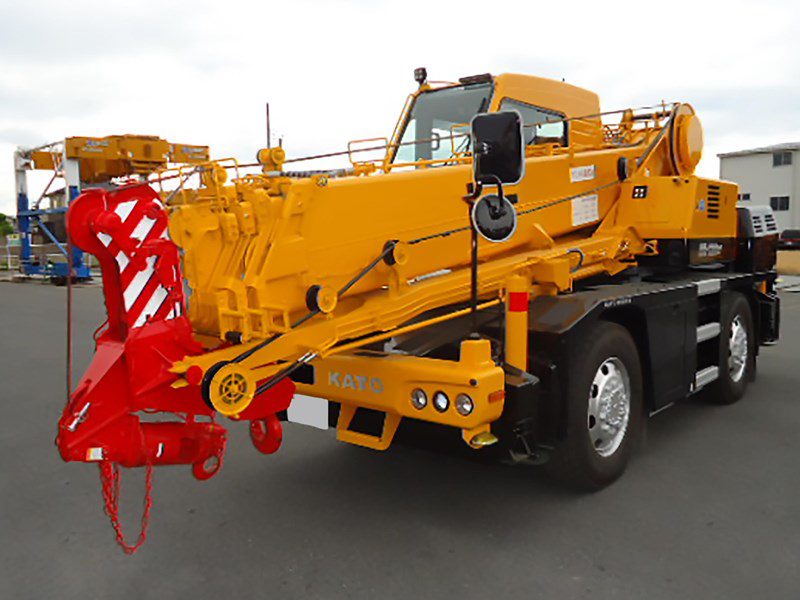
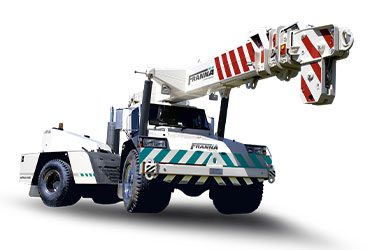
While luffing cranes excel vertically, they are rarely deployed in isolation. Urban projects often rely on a combination of crane types to manage different construction phases. Mobile cranes, including franna units, are typically used during early site works, material deliveries, and short-duration lifts where flexibility is required.
In northern metropolitan regions, franna crane hire northern Sydney is commonly integrated alongside tower cranes to support staged construction. Franna cranes provide mobility and rapid setup, enabling efficient handling of prefabricated components before permanent lifting infrastructure is fully operational. This hybrid approach reflects a broader industry trend toward equipment ecosystems rather than single-solution deployments.
Efficiency Trade-offs in Dense Urban Projects
The suitability of luffing cranes in confined sites must be evaluated alongside efficiency considerations. Compared with hammerhead cranes, luffing cranes generally have slower cycle times due to the additional motion required to adjust jib angles. This can affect productivity on projects where repetitive horizontal movements dominate.
However, in dense urban environments, the constraints themselves often negate the efficiency advantages of flat-jib cranes. Restricted slewing zones, airspace agreements, and noise limitations can significantly reduce operational windows. In such cases, the controlled movement of a luffing crane may offer greater net efficiency by avoiding stoppages, redesigns, or disputes with adjacent stakeholders.
Safety and Compliance in Australian Cities
Safety considerations are central to crane selection in Australia, particularly in metropolitan areas governed by strict regulatory oversight. Luffing cranes must comply with Australian Standards such as AS 1418 for cranes and AS 2550 for safe use. These standards set requirements for design, testing, operation, and maintenance, regardless of crane type.
WorkSafe authorities in New South Wales and other states place particular emphasis on risk management in confined sites. Oversailing risks, wind loading at height, and interaction with the public realm are routinely assessed during crane approval processes. The controlled geometry of luffing cranes can simplify risk mitigation strategies, particularly when working above live environments such as roads or rail corridors.
Licensing and Operator Competency
Operating luffing cranes in urban sites requires a high level of operator skill. Under Australian regulations, crane operators must hold the appropriate high-risk work licence issued by state regulators. Site-specific inductions and lift planning documentation are also mandatory, particularly on complex projects.
From an industry perspective, this requirement has influenced workforce planning. Contractors engaging in luffing crane hire must ensure that operators are not only licensed but experienced in dense urban environments. The margin for error is significantly smaller when working within confined boundaries, reinforcing the importance of procedural discipline and technical expertise.
Technological Advances Supporting Urban Deployment
Recent technological developments have enhanced the viability of luffing cranes in confined sites. Anti-collision systems, zoning software, and real-time load monitoring now allow cranes to operate within digitally defined envelopes. These systems can prevent jib intrusion into restricted airspace and reduce the likelihood of clashes with adjacent cranes.
Such innovations align with broader trends in construction digitisation. Building information modelling is increasingly used to simulate crane movements during the design phase, enabling planners to assess whether a luffing crane configuration can meet program requirements. This integration of digital tools has made luffing crane hire a more predictable and defensible choice in high-risk urban settings.
Environmental and Community Considerations
Beyond technical and regulatory factors, community impact plays a growing role in equipment selection. Noise, visual intrusion, and perceived safety risks are common concerns raised during planning approvals. Luffing cranes, by virtue of their vertical jib movement, can reduce visual dominance compared with long horizontal jibs extending across skylines.
In established neighbourhoods, this can influence approval outcomes and community acceptance. While not a solution to all social impacts of construction, the use of luffing cranes reflects a broader effort to adapt construction practices to urban sensitivities rather than imposing industrial-scale solutions on constrained sites.
Limitations and Ongoing Challenges
Despite their advantages, luffing cranes are not universally suitable. Their higher capital and operating costs, combined with slower lifting cycles, can be prohibitive on smaller projects or sites with fewer constraints. Wind sensitivity at high jib angles also requires careful operational planning, particularly in coastal cities.
Moreover, reliance on luffing cranes does not eliminate the need for complementary lifting strategies. Mobile cranes, including franna units, remain essential for ground-level operations and logistical support. The challenge for project teams lies in balancing these tools within tight budgets and timelines.
The Role of Luffing Cranes in Australia’s Urban Future
As Australian cities continue to densify, the question is no longer whether luffing cranes can work in confined urban sites, but how effectively they can be integrated into broader construction strategies. Their controlled geometry, regulatory alignment, and compatibility with modern planning tools position them as a pragmatic response to urban constraints.
In practice, the most successful projects treat luffing crane hire and franna crane hire northern Sydney not as competing options, but as complementary components of a carefully sequenced lifting strategy. This approach reflects an industry adapting to the realities of urban growth, where precision and compliance are as critical as speed and scale.