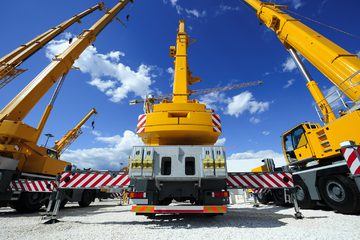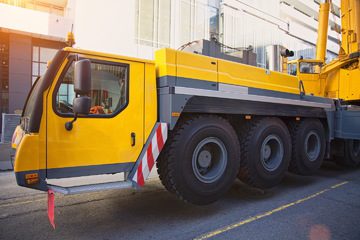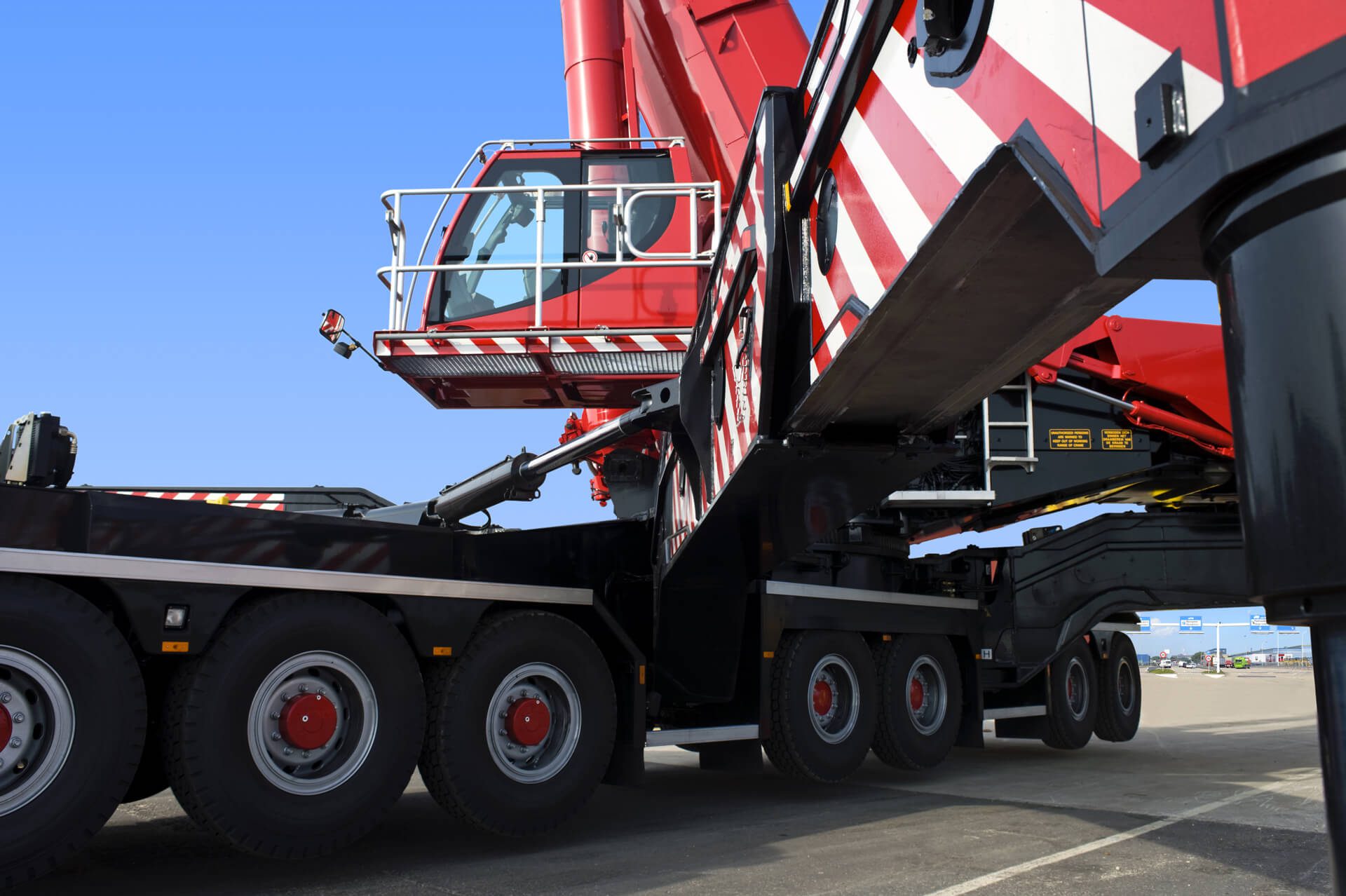
The Australian construction sector is experiencing a period of sustained demand, with major infrastructure projects and urban residential developments driving significant investment in heavy lifting equipment. As cities expand vertically and infrastructure projects grow in complexity, understanding the financial implications of essential equipment becomes critical for project planners and developers navigating an increasingly competitive market.
Tower cranes represent one of the most substantial capital commitments in large-scale construction, yet the true cost structure remains opaque to many industry participants. The decision between purchasing, long-term leasing, or short-term hire involves multiple variables that extend well beyond simple daily rates, encompassing mobilization expenses, operational requirements, and regulatory compliance obligations that can substantially impact project budgets.
The Economic Framework of Tower Crane Hire
Tower crane hire in Australia operates within a complex pricing ecosystem influenced by equipment specifications, project duration, geographic location, and current market demand. Industry sources indicate that weekly hire rates for standard tower cranes typically range from fifteen thousand to forty thousand dollars, though this baseline figure represents only a fraction of the total expenditure required to operate these machines on construction sites.
The initial mobilization phase introduces significant upfront costs that many project managers underestimate during preliminary budgeting. Transportation of tower crane components to site, foundation engineering and installation, structural erection by certified riggers, and commissioning inspections collectively add between fifty thousand and one hundred fifty thousand dollars to project costs before the equipment becomes operational. These establishment costs remain relatively fixed regardless of hire duration, making longer-term engagements more economically efficient on a per-week basis.
Geographic factors play a substantial role in pricing variations across the Australian market. Metropolitan construction hubs including Sydney, Melbourne, and Brisbane demonstrate the highest demand density, which paradoxically can lead to both premium pricing during peak periods and competitive rates when multiple suppliers vie for contracts. Regional projects often incur additional transportation surcharges and may face limited supplier options, potentially adding twenty to thirty percent to standard metropolitan rates.
Equipment Categories and Application Contexts
The Australian tower crane market encompasses diverse equipment categories, each designed for specific construction applications and site constraints. Self-erecting tower cranes, which require minimal ground preparation and can be deployed rapidly, typically command weekly hire rates between eight thousand and fifteen thousand dollars. These machines suit low to mid-rise residential developments and projects with restricted site access, offering flexibility that justifies their premium over mobile alternatives.
Hammerhead and luffing jib tower cranes dominate high-rise construction and dense urban environments where lifting capacity and reach determine project feasibility. These larger machines, with lifting capacities ranging from six to twenty tonnes at maximum radius, carry weekly hire rates between twenty-five thousand and forty-five thousand dollars depending on specifications. The selection between hammerhead configurations, which offer fixed horizontal jibs, and luffing variants, which allow vertical jib movement to avoid airspace conflicts with adjacent structures, reflects site-specific constraints rather than cost considerations alone.
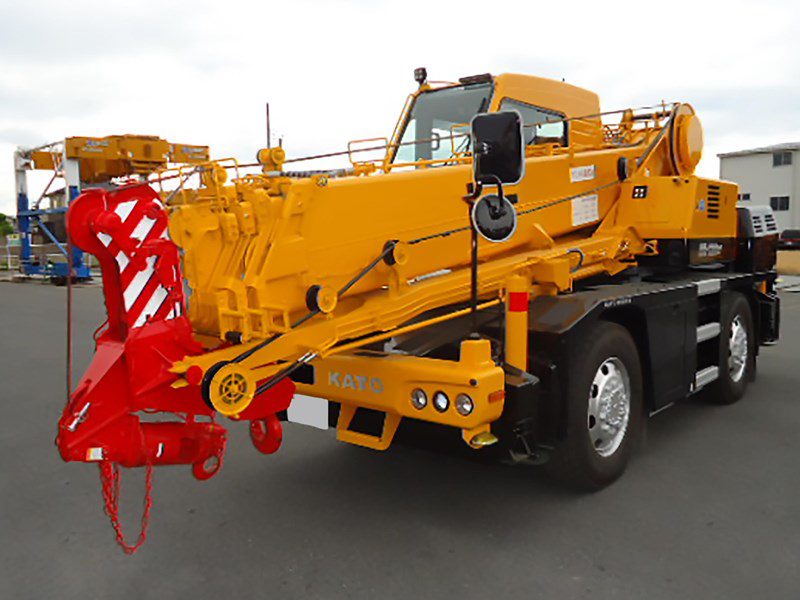
While tower crane hire addresses vertical construction demands, projects requiring ground-level mobility often complement tower installations with mobile crane solutions. Franna crane hire western Sydney and similar regional markets demonstrates the parallel demand for versatile, compact lifting equipment capable of navigating constrained urban sites. These pick-and-carry cranes fill operational gaps where tower cranes prove impractical, handling materials placement, prefabricated component installation, and ancillary lifting tasks that would otherwise create bottlenecks in construction schedules.
Regulatory Compliance and Safety Frameworks
Australian construction operates under stringent safety regulations administered by state-based workplace health and safety authorities, with tower crane operations subject to particularly rigorous oversight. The national standards AS 1418.18 and AS 2550.1 establish comprehensive requirements for crane design, installation, operation, and maintenance that directly influence hire costs through mandatory compliance measures.
Every tower crane deployment requires certification from qualified engineers confirming structural adequacy of foundations and supporting structures, wind loading calculations specific to the installation site, and compliance with local planning restrictions governing crane over-sailing of public spaces and adjacent properties. These engineering assessments typically cost between fifteen thousand and thirty thousand dollars per installation, representing non-negotiable expenditures that operators generally pass through to hirers.
Operational compliance demands continuous investment in qualified personnel holding nationally recognized High Risk Work licenses specific to tower crane operation. The current workforce shortage of certified crane operators across Australia has created upward pressure on labour costs, with experienced operators commanding daily rates between six hundred and nine hundred dollars. When factored across project duration, operator wages frequently exceed equipment hire costs, making total operational expenditure substantially higher than equipment rates alone suggest.
WorkSafe authorities across Australian jurisdictions mandate regular inspection regimes for tower cranes, including pre-operational checks, weekly documented inspections by competent persons, and comprehensive examinations at intervals not exceeding twelve months. Hire agreements typically allocate responsibility for these compliance activities to either the equipment owner or the principal contractor depending on contract structure, though ultimate legal liability remains with the site’s principal contractor under workplace health and safety legislation.
Technological Evolution and Market Dynamics
Recent technological developments in tower crane design are reshaping both capability expectations and cost structures within the Australian market. Advanced load monitoring systems, anti-collision software for multi-crane sites, and remote diagnostic capabilities have become standard features on modern equipment, contributing to improved safety outcomes while adding complexity to maintenance requirements and operator training obligations.
The integration of Building Information Modeling with crane path planning software allows project teams to optimize lift sequences and identify potential conflicts before physical construction commences. This technological convergence improves project efficiency but requires investment in compatible systems and personnel training that extends beyond traditional crane operation competencies. Forward-thinking contractors are incorporating these digital capabilities into project planning processes, recognizing that upfront investment in planning technology generates substantial time savings during active construction phases.
Environmental considerations are emerging as influential factors in equipment selection and operational practices. Electric and hybrid tower cranes, while representing a minority of the Australian fleet, offer reduced operational costs through lower energy consumption and decreased maintenance requirements compared to diesel-powered equivalents. Early adopters report energy cost reductions approaching forty percent, though higher initial hire rates partially offset these operational savings. As environmental, social, and governance criteria become more prominent in project evaluation, particularly for government-funded infrastructure, demand for lower-emission equipment options continues to grow.
Strategic Considerations for Project Planning
Effective management of tower crane hire costs requires sophisticated analysis extending beyond rate comparison between suppliers. Project-specific factors including site access constraints, required lifting capacity and reach, anticipated hire duration, and coordination requirements with other construction activities collectively determine the optimal equipment solution and associated financial commitment.
The decision between single large-capacity cranes and multiple smaller units involves complex trade-offs between equipment costs, operational flexibility, and construction sequencing efficiency. Multi-crane installations introduce additional coordination complexity and require sophisticated anti-collision systems, yet may accelerate project delivery sufficiently to justify the incremental cost through reduced overall project duration. This calculation becomes particularly relevant for projects facing time-sensitive completion obligations or seeking to minimize exposure to escalating construction costs.
Insurance and risk allocation represent often-overlooked cost components that can substantially impact total project expenditure. Comprehensive insurance coverage for tower crane operations, encompassing third-party liability, property damage, and equipment loss, typically adds eight to twelve percent to direct hire costs. Contract structures that clearly delineate responsibility for various risk categories between equipment owners, principal contractors, and project developers help contain these insurance costs while ensuring adequate protection for all parties.
The Australian construction sector’s ongoing evolution, driven by urbanization pressures, infrastructure investment, and technological advancement, ensures that tower crane hire will remain a critical cost consideration for major projects. Industry participants who develop sophisticated understanding of the complete cost structure, including often-overlooked compliance and operational elements, position themselves to make informed equipment decisions that optimize both project economics and construction efficiency.