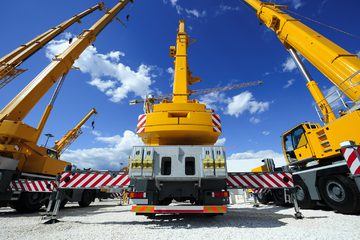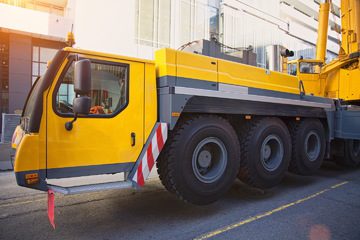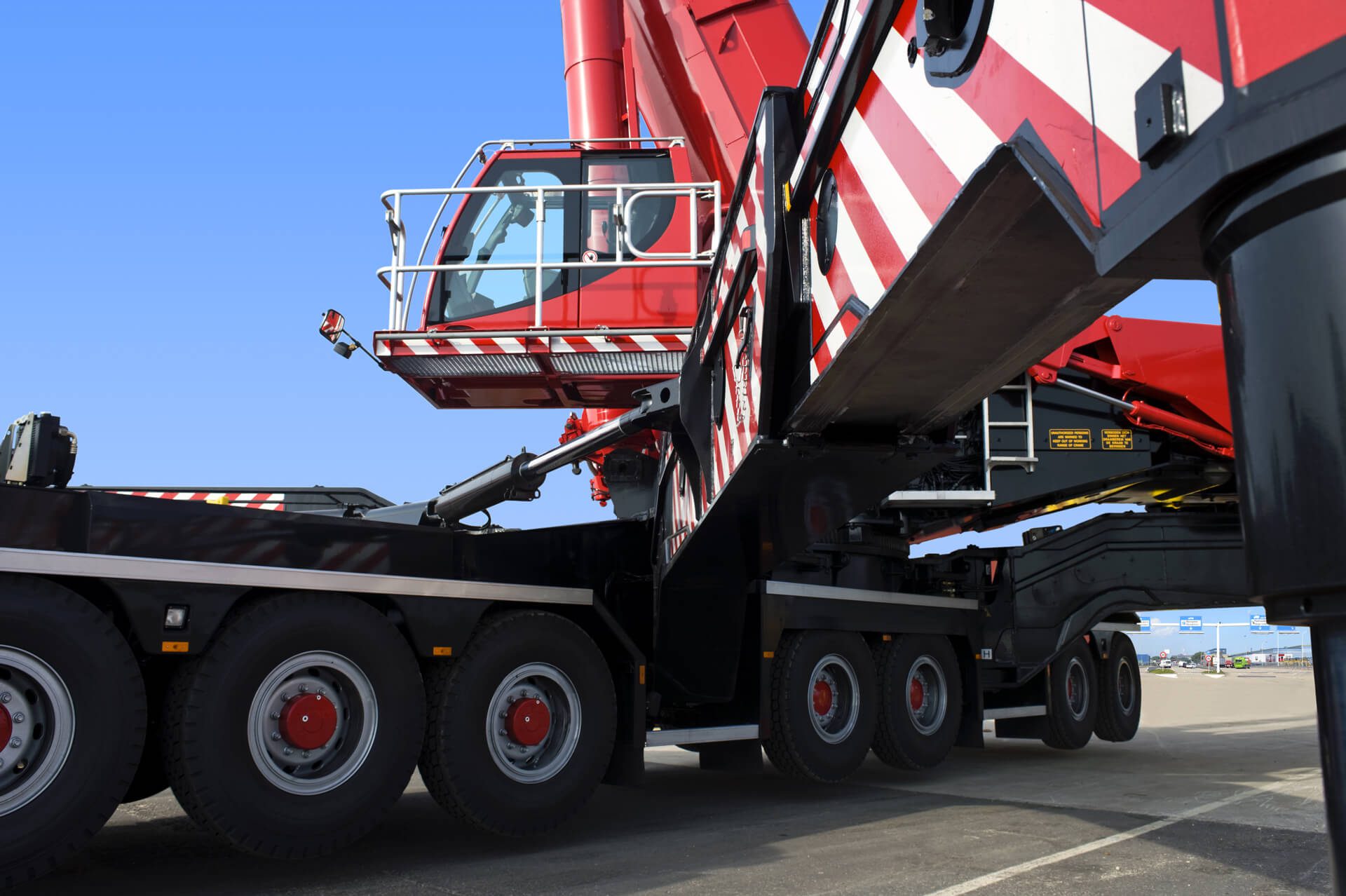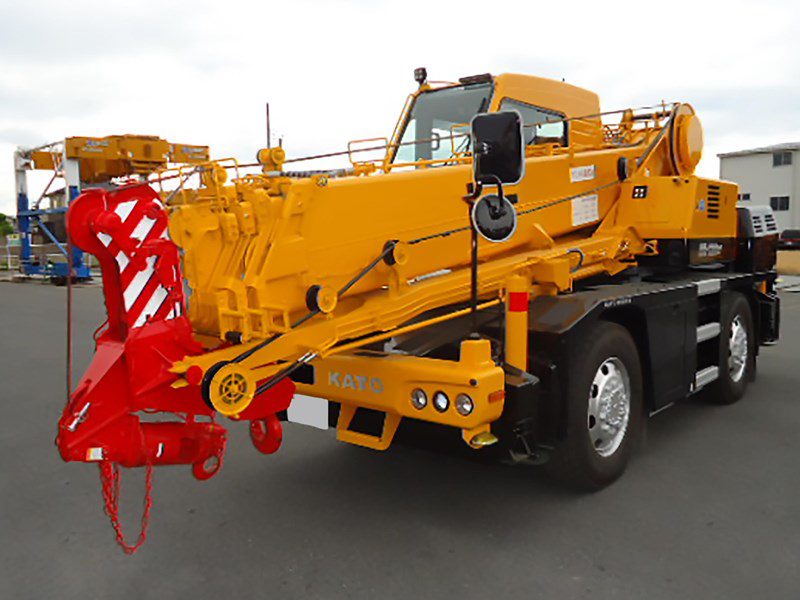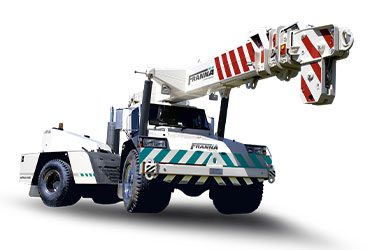
Australia’s construction and infrastructure sector depends heavily on the safe and efficient movement of large, high-value loads. From transport interchanges and ports to high-rise residential towers, mobile cranes have become a critical component of modern project delivery. As demand for mobile crane hire continues to rise across metropolitan and regional markets, the qualifications required to operate these machines have come under increased regulatory and public scrutiny. Understanding what it takes to become a qualified mobile crane operator offers insight not only into workforce standards, but also into how safety, technology, and regulation intersect in contemporary Australian construction.
The Strategic Role of Mobile Crane Operators in Urban Development
Mobile cranes occupy a unique position in Australia’s construction ecosystem. Unlike fixed tower cranes, they provide flexibility across short-term and highly varied lifting tasks. This adaptability makes mobile crane hire a common feature of infrastructure works such as bridge upgrades, road expansions, and utilities installation, as well as commercial and residential projects in dense urban environments. In areas such as city crane hire western sydney, operators routinely work in constrained sites where precision, planning, and compliance are as important as lifting capacity.
The qualifications required of operators reflect this strategic importance. Crane operators are not simply drivers of heavy machinery; they are integral to lift planning, risk management, and coordination with engineers, riggers, and site supervisors. As projects grow more complex and urban density increases, regulators and industry bodies have emphasised higher competency thresholds to ensure that crane operations do not become a weak point in project safety or efficiency.
Core Licensing Requirements Under Australian Law
In Australia, operating a mobile crane is classified as high-risk work. As a result, operators must hold a High Risk Work Licence issued by the relevant state or territory regulator. In New South Wales, this responsibility sits with SafeWork NSW, while other jurisdictions operate under equivalent WorkSafe authorities.
To obtain this licence, candidates must complete nationally recognised training aligned with the Work Health and Safety Regulations. The licence class depends on the crane’s maximum rated capacity, with separate endorsements for non-slewing mobile cranes, slewing mobile cranes up to 60 tonnes, and larger capacity cranes. These distinctions recognise that the technical demands and risk profiles increase significantly with crane size and operating complexity.
Assessment is conducted by accredited assessors and includes both theoretical knowledge and practical demonstration of skills. This approach ensures that operators understand load charts, ground conditions, and exclusion zones, not merely the mechanical operation of the crane itself.
Training Pathways and Competency Standards
Formal training is typically delivered through registered training organisations and is mapped to national competency units developed under the Australian Qualifications Framework. These units cover areas such as planning lifts, conducting pre-operational checks, interpreting engineering documentation, and responding to emergency scenarios.
Beyond initial certification, operators are expected to maintain currency through ongoing experience and, in some cases, refresher training. This expectation is particularly relevant in sectors that rely heavily on mobile crane hire, where operators may move between infrastructure projects, high-rise construction, and industrial sites. Each environment presents different hazards, from live traffic and overhead services to tight airspace restrictions common in inner-city developments.
Safety Standards and Regulatory Oversight
Australia’s approach to crane safety is underpinned by a combination of legislation, codes of practice, and technical standards. The Work Health and Safety Act establishes the overarching duty of care, while specific guidance is provided through documents such as the “Managing the Risks of Plant in the Workplace” code of practice.
Technical standards, including AS 2550 for cranes and AS 1418 for crane design, set out detailed requirements for inspection, maintenance, and operation. Operators are expected to be familiar with these standards, as compliance directly influences how lifts are planned and executed. In practice, this means understanding wind limits, load radius calculations, and the interaction between crane stability and ground bearing capacity.
Regulators routinely audit worksites where mobile crane hire is prevalent, particularly in metropolitan growth corridors and logistics hubs. These audits reinforce the expectation that qualified operators play a frontline role in preventing incidents that could have serious consequences for workers and the public.
Technology and the Changing Skill Set of Operators
Technological advancement has reshaped what it means to be a competent mobile crane operator. Modern cranes are increasingly equipped with computerised load moment indicators, anti-collision systems, and telematics that monitor performance in real time. While these tools enhance safety, they also demand higher levels of technical literacy from operators.
Training programs now place greater emphasis on interpreting digital displays, understanding software-driven safety overrides, and responding appropriately when automated systems intervene. In high-density areas such as city crane hire western sydney, where multiple cranes and adjacent structures are common, the ability to integrate technology into safe decision-making has become a defining professional skill.
At the same time, technology has not replaced the need for judgement. Operators must still assess environmental factors, communicate clearly with doggers and riggers, and adapt plans when site conditions change. This balance between automation and human expertise is a recurring theme in industry discussions about future workforce development.
Comparing Industry Practices Across Project Types
The qualifications required of mobile crane operators are consistent nationwide, but how those qualifications are applied varies by project type. Infrastructure projects often involve long-term engagement with a single crane configuration, allowing operators to develop deep familiarity with site conditions and lift sequences. In contrast, commercial construction may involve frequent crane mobilisation and demobilisation, testing an operator’s adaptability.
High-rise and dense urban projects place particular emphasis on coordination and compliance. Oversailing rules, proximity to occupied buildings, and interaction with public spaces elevate the consequences of error. In these contexts, the competence of operators is as much about communication and situational awareness as technical skill. This explains why regulators and principal contractors increasingly scrutinise experience histories alongside formal licences.
Workforce Pressures and Professional Expectations
Australia’s construction sector continues to face skills shortages, and qualified crane operators are no exception. While demand for mobile crane hire remains strong, particularly in urban growth areas, the pathway to qualification is deliberately rigorous. This reflects an industry consensus that lowering standards would create unacceptable risk.
Professional expectations now extend beyond holding a licence. Operators are often required to participate in site-specific inductions, safety briefings, and continuous improvement initiatives. These practices reinforce a culture where qualifications are viewed as a foundation rather than a ceiling for professional competence.
Conclusion: Qualifications as a Cornerstone of Industry Confidence
The qualifications required to operate a mobile crane in Australia illustrate how safety, regulation, and strategic infrastructure delivery are closely intertwined. Through a combination of licensing, nationally recognised training, and ongoing regulatory oversight, Australia has established a framework that treats crane operation as a skilled profession rather than a purely mechanical task.
As urban development intensifies and reliance on mobile crane hire grows, particularly in complex metropolitan markets, the role of the qualified operator will remain central to public confidence in the construction sector. The evolving demands of technology, density, and compliance suggest that qualifications will continue to adapt, ensuring that the people behind the controls are equipped to meet the challenges of modern Australian construction.