Australia’s construction sector depends heavily on lifting equipment to deliver infrastructure, commercial developments, and urban renewal projects. From motorway expansions to inner-city residential towers, cranes have become both a practical necessity and a visible symbol of economic activity. Yet behind their routine presence lies a complex safety framework designed to manage risk in an industry where a single failure can have serious consequences. Understanding what safety requirements apply to mobile crane hire is therefore not just a regulatory obligation, but a strategic consideration for project owners, contractors, and policymakers alike.
The Strategic Role of Mobile Cranes in Australian Construction
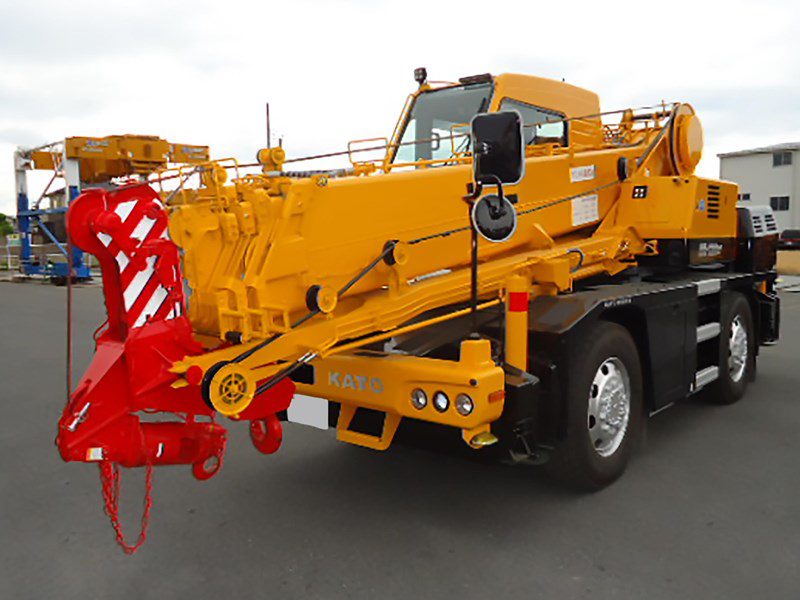
Mobile cranes play a critical role in modern Australian construction by offering flexibility across varied project types. Their ability to move between sites, adapt to changing lift requirements, and operate in constrained environments makes them indispensable for infrastructure works, industrial maintenance, and high-density urban development. In major cities, mobile crane hire supports projects where permanent tower cranes may be impractical due to space, duration, or cost constraints.
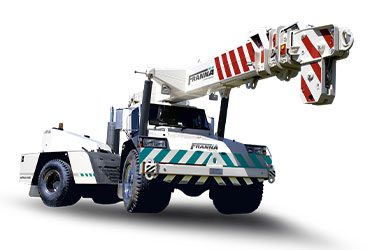
This flexibility has increased reliance on mobile lifting solutions across Australia, particularly as construction moves into denser urban environments. In metropolitan regions such as Sydney, including areas where franna crane hire northern sydney is commonly used, cranes are often required to operate close to traffic corridors, existing buildings, and live public spaces. These conditions elevate safety considerations well beyond basic operational competence, demanding rigorous planning and compliance.
Understanding Risk in Mobile Crane Operations
Mobile crane operations involve a distinct set of risks compared with other construction activities. Load instability, ground conditions, proximity to power lines, and interaction with other site operations are persistent hazards. In dense urban projects, these risks are amplified by restricted access, limited set-down areas, and the presence of pedestrians and neighbouring properties.
Australian safety frameworks recognise that mobile crane hire is not a single, uniform activity but a spectrum of operations with varying risk profiles. Lifting prefabricated concrete elements on an infrastructure site differs significantly from positioning mechanical plant on a high-rise development. Effective safety management therefore depends on matching regulatory controls to the specific operational context rather than applying generic rules.
Australia’s Regulatory Framework for Crane Safety
Crane safety in Australia is governed primarily by state and territory work health and safety legislation, underpinned by the model Work Health and Safety Act. While enforcement is carried out by individual regulators such as SafeWork NSW or WorkSafe Victoria, the underlying principles are nationally consistent. These laws place a primary duty of care on persons conducting a business or undertaking to ensure, so far as reasonably practicable, the health and safety of workers and others.
For mobile crane hire, this duty extends beyond the crane operator to include principal contractors, site managers, and those responsible for lift planning. Regulators expect risks to be identified, assessed, and controlled through documented processes. This includes consideration of site access, lift sequencing, exclusion zones, and emergency procedures. Failure to meet these obligations has led to significant enforcement action in recent years, reinforcing the seriousness with which regulators view crane safety.
Australian Standards and Technical Compliance
In addition to legislation, Australian Standards provide detailed technical guidance for crane operations. Standards such as AS 2550, which covers cranes, hoists, and winches, set out requirements for safe use, inspection, and maintenance. Compliance with these standards is not optional in practice, as regulators and courts routinely reference them when assessing whether safety duties have been met.
For mobile crane hire, adherence to AS 2550 includes ensuring cranes are configured within manufacturer specifications, load charts are followed, and regular inspections are conducted by competent persons. These requirements apply equally whether a crane is operating on a major infrastructure project or a short-duration urban lift. In regions with intensive construction activity, including northern Sydney, consistent application of these standards has become a baseline expectation rather than a differentiator.
Licensing and Competency Requirements
Operator competency is a cornerstone of crane safety in Australia. High-risk work licensing requirements ensure that crane operators have demonstrated the necessary skills and knowledge before being permitted to work. Different classes of mobile cranes require different licence categories, reflecting variations in complexity and risk.
Beyond formal licensing, regulators increasingly expect evidence of site-specific induction and task-based training. This is particularly relevant where mobile crane hire is used in complex environments, such as near live traffic or adjacent to occupied buildings. In such cases, even experienced operators must be briefed on unique site constraints, reinforcing that competency is contextual rather than purely credential-based.
Lift Planning as a Safety Control
Lift planning has emerged as one of the most critical safety requirements associated with mobile crane hire. Australian regulators consistently emphasise the need for documented lift plans, especially for complex or high-risk lifts. These plans outline load weights, lift paths, crane configuration, ground bearing pressures, and contingency measures.
In high-density urban projects, lift planning often involves coordination with engineers, traffic controllers, and local authorities. The need to manage oversailing, temporary road closures, or restricted operating windows adds layers of complexity. As construction timelines tighten, thorough lift planning has become both a safety imperative and a project efficiency tool.
Technology and Innovation in Crane Safety
Technological advancement is reshaping how safety is managed in crane operations. Modern mobile cranes are increasingly equipped with load moment indicators, anti-two block systems, and real-time monitoring technology. These systems provide operators with immediate feedback, reducing the likelihood of overloads or configuration errors.
Digital tools are also influencing how mobile crane hire is integrated into broader site safety systems. Electronic lift plans, GPS-based exclusion zones, and telematics data allow for improved oversight and post-operation analysis. While technology does not replace regulatory compliance, it has become a valuable complement to traditional safety controls, particularly on large or complex projects.
Urban Density and Evolving Safety Expectations
Australia’s push toward higher-density development has reshaped safety expectations for crane operations. Inner-city projects now routinely involve working above live environments, requiring a more conservative approach to risk management. Regulators expect additional controls where the consequences of failure extend beyond the worksite.
This context is particularly relevant for mobile crane hire in metropolitan areas, where lifts may occur close to residential buildings, transport infrastructure, or public amenities. In such settings, safety requirements are not static checklists but evolving expectations informed by past incidents, technological capability, and community tolerance for risk.
Enforcement, Accountability, and Industry Culture
Enforcement action by Australian safety regulators underscores that crane safety is an accountability issue as much as a technical one. Investigations following incidents often examine whether duty holders exercised due diligence, allocated adequate resources, and fostered a culture of safety compliance.
For industry professionals, this has reinforced the need to view mobile crane hire through a governance lens rather than a purely operational one. Safety performance is increasingly seen as an indicator of project maturity and organisational competence, influencing procurement decisions and stakeholder confidence.
A Safety Framework Shaped by Complexity
The safety requirements associated with mobile crane hire reflect the broader complexity of Australia’s construction landscape. Regulatory frameworks, technical standards, and evolving technologies converge to manage risks that are inherent but not unavoidable. As projects become more ambitious and urban environments more constrained, the margin for error narrows.
In this context, understanding safety obligations is not merely about compliance, but about aligning operational practice with the realities of modern construction. Whether on large infrastructure works or specialised operations such as franna crane hire northern sydney, safety requirements continue to shape how cranes are deployed, how projects are planned, and how the industry earns public trust.