Across Australia’s construction sector, cranes have become quiet enablers of urban growth, infrastructure renewal, and industrial expansion. From transport corridors and logistics hubs to residential towers and renewable energy projects, lifting technology determines not only how structures rise, but how efficiently and safely they are delivered. Within this landscape, mobile crane hire has emerged as a flexible alternative to fixed lifting solutions, allowing projects to adapt to changing site conditions, schedules, and regulatory constraints. Understanding the different types of mobile cranes available for hire is therefore central to informed decision-making in modern construction.
The Strategic Role of Mobile Cranes in Australian Construction
Australia’s construction industry operates across a uniquely varied geography, ranging from dense metropolitan centres to remote regional worksites. Mobile crane hire plays a strategic role in bridging these conditions by offering lifting capacity without the permanence of tower installations. Unlike fixed cranes, mobile units can be transported between sites, rapidly configured, and deployed for short or specialised lifting tasks. This mobility aligns closely with project-based contracting models common across Australia, where equipment utilisation must be tightly managed to control costs and timelines.
In metropolitan regions, particularly areas experiencing sustained densification, the strategic use of mobile crane hire complements fixed lifting infrastructure. On constrained sites, mobile cranes support early works, staged construction, and specialised lifts that tower cranes cannot easily accommodate. In this context, the coexistence of mobile solutions alongside tower crane hire northern sydney reflects broader trends in urban construction, where flexibility and compliance with airspace, traffic, and community regulations are increasingly decisive.
All-Terrain Mobile Cranes and Infrastructure Projects
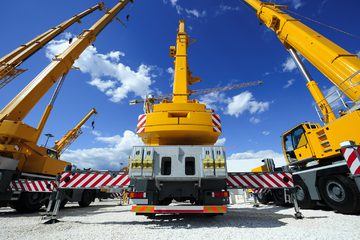
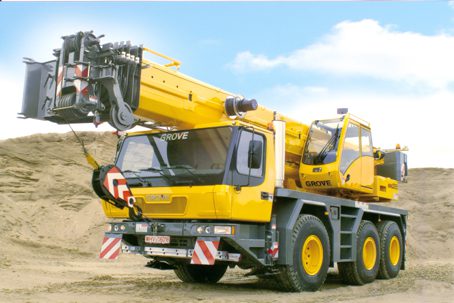
All-terrain mobile cranes represent one of the most versatile categories available for hire in Australia. Designed to operate on both sealed roads and uneven ground, these cranes combine highway mobility with robust off-road performance. Their telescopic booms allow rapid extension, making them well suited to bridge construction, civil infrastructure upgrades, and energy projects where site access may be variable.
From a strategic standpoint, all-terrain cranes reduce the need for extensive site preparation, which is particularly relevant in regional Australia. Their deployment supports infrastructure programs led by state governments, where road, rail, and utilities works often progress across multiple locations in parallel. Within regulatory frameworks, these cranes are typically operated under Australian Standards such as AS 2550 for safe use of cranes, with additional oversight from state-based WorkSafe authorities.
Rough-Terrain Cranes in Remote and Industrial Settings
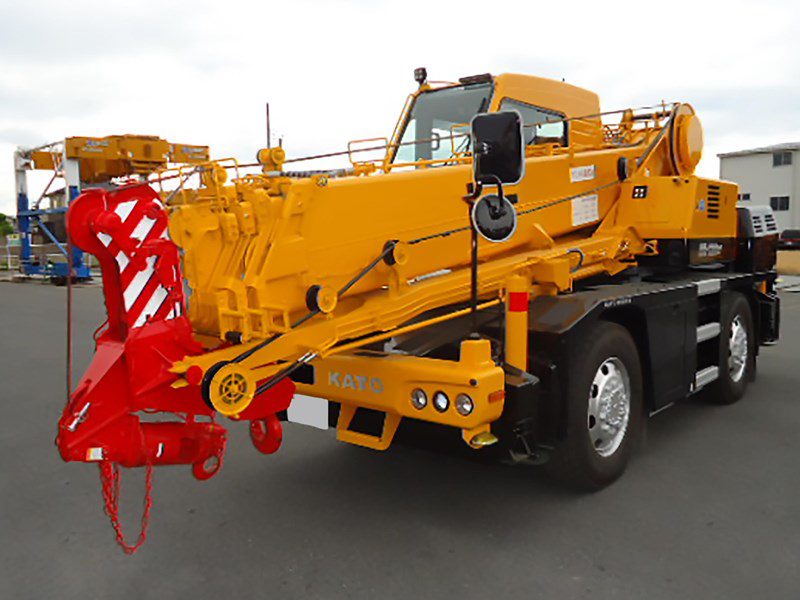
Rough-terrain cranes are purpose-built for challenging environments where ground conditions are unstable or undeveloped. Unlike all-terrain models, they are not designed for public road travel, instead being transported to site on trailers. Their large tyres, high ground clearance, and simplified steering systems make them particularly effective in mining, industrial maintenance, and renewable energy construction.
In Australia’s resources sector, rough-terrain cranes remain integral to plant installation and shutdown operations. Mobile crane hire providers supplying these units must navigate stringent safety and licensing requirements, including high-risk work licences issued under state legislation. The reliance on these cranes underscores a broader industry distinction between metropolitan construction, where access and regulation dominate, and regional or industrial works, where terrain and environmental exposure shape equipment choice.
Truck-Mounted Cranes and Urban Efficiency
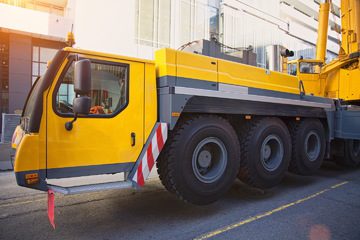
Truck-mounted cranes occupy a different niche within the mobile crane spectrum. Mounted on standard road-registered truck chassis, these cranes are optimised for rapid deployment and short-duration lifts. Their strategic value lies in urban efficiency, particularly for logistics, mechanical services installation, and maintenance works where disruption must be minimised.
In dense urban areas, mobile crane hire involving truck-mounted units allows contractors to complete lifts within tight time windows, often coordinated with traffic management plans approved by local councils. This operational model is increasingly visible in cities where construction activity must coexist with live traffic, pedestrians, and adjacent properties. When operating alongside fixed lifting solutions such as tower crane hire northern sydney, truck-mounted cranes often handle peripheral tasks that would otherwise interrupt core construction workflows.
Crawler Cranes and Heavy-Lift Applications
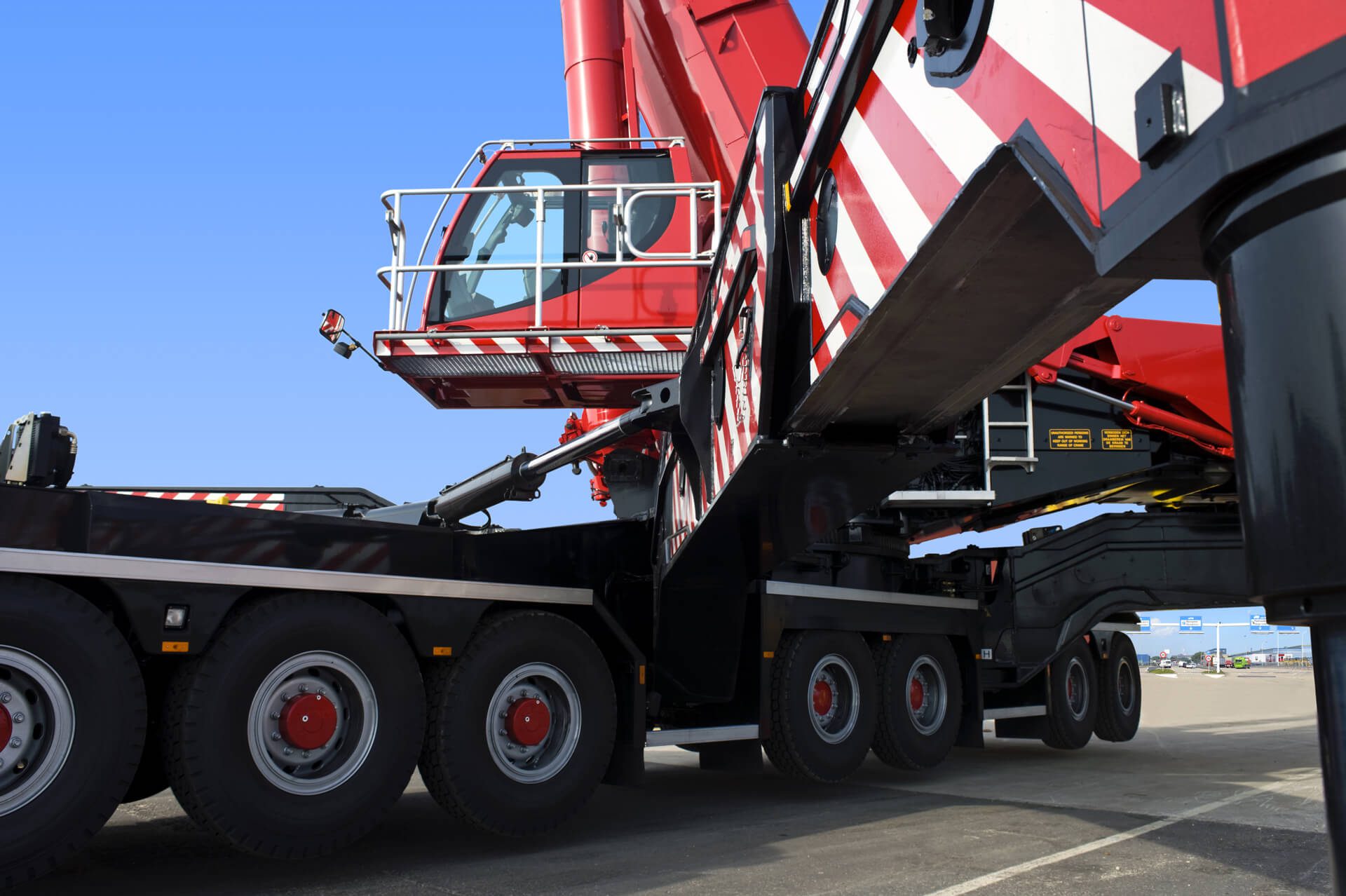
Crawler cranes represent the heavier end of the mobile crane market. Mounted on tracked undercarriages, they offer exceptional lifting capacity and stability, particularly for long-term projects involving substantial loads. While less mobile than wheeled cranes, their ability to move on site while carrying loads makes them indispensable for large infrastructure and energy developments.
In Australia, crawler cranes are commonly associated with port expansions, wind farm construction, and major industrial facilities. Their deployment reflects a strategic trade-off between mobility and capacity. Mobile crane hire in this category often involves extended rental periods and detailed lift planning, subject to rigorous compliance with Australian Standards and engineering sign-off requirements.
City Cranes and High-Density Urban Construction
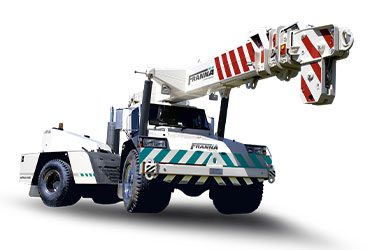
City cranes, sometimes described as compact mobile cranes, have gained prominence as Australian cities build upwards within increasingly constrained footprints. These cranes are designed to operate in tight spaces, with shorter wheelbases and advanced steering systems that allow precise positioning. Their lifting capacities are lower than larger mobile cranes, but their accessibility makes them well suited to inner-city developments.
The strategic relevance of city cranes becomes evident when examining mixed-use projects and infill developments. In such settings, mobile crane hire enables staged construction where permanent cranes may be impractical or restricted by airspace and oversailing rules. When integrated with broader lifting strategies that include tower crane hire northern sydney, city cranes contribute to a layered approach to vertical construction.
Technological Advancements Shaping Mobile Crane Operations
Technological innovation has reshaped mobile crane operations over the past decade. Modern cranes incorporate load-moment indicators, real-time telemetry, and advanced stabilisation systems that enhance safety and precision. These technologies are increasingly aligned with regulatory expectations in Australia, where duty holders are required to manage plant risks under work health and safety legislation.
Digital lift planning tools now allow engineers and operators to simulate lifts, assess ground pressures, and identify potential conflicts before equipment arrives on site. This technological maturity supports more efficient mobile crane hire models, reducing downtime and improving compliance outcomes. As urban projects grow more complex, the integration of technology across both mobile and fixed cranes has become a defining feature of contemporary construction practice.
Regulatory and Safety Frameworks in the Australian Context
Mobile crane operations in Australia are governed by a combination of national standards and state-based regulations. Australian Standards such as AS 1418 and AS 2550 establish design and operational requirements, while enforcement is carried out by WorkSafe authorities in each jurisdiction. Operators must hold appropriate high-risk work licences, and principal contractors retain overarching responsibility for site safety.
In urban environments, additional regulatory considerations apply, including traffic control approvals, council permits, and coordination with aviation authorities where crane heights intersect controlled airspace. These layers of regulation influence the selection between mobile crane hire and fixed solutions such as tower crane hire northern sydney, particularly on projects where compliance complexity can affect schedules and costs.
Comparing Suitability Across Project Types
The choice between different types of mobile cranes ultimately reflects project-specific priorities. Infrastructure works favour versatility and capacity, while urban developments prioritise access and regulatory alignment. Industrial projects emphasise stability and load handling, whereas maintenance and logistics tasks value speed and minimal disruption.
From a strategic perspective, mobile crane hire offers adaptability across these contexts, allowing contractors to match equipment to task rather than forcing projects to conform to fixed assets. The ongoing coexistence of mobile cranes with tower crane hire northern sydney illustrates a broader industry reality: no single lifting solution dominates, but rather a portfolio of technologies supports Australia’s evolving built environment.
An Evolving Lifting Landscape
As Australia continues to invest in housing, transport, and energy infrastructure, the role of mobile cranes will remain central to construction delivery. Their diversity in form and function reflects the complexity of the projects they support. By understanding the distinctions between crane types, industry professionals and business leaders can better appreciate how lifting strategies shape productivity, safety, and compliance across the construction sector.
In this evolving landscape, mobile crane hire is less a transactional service than a structural component of project planning, embedded within regulatory frameworks and technological systems that define modern Australian construction.