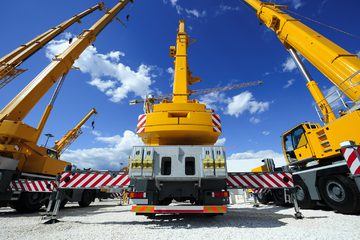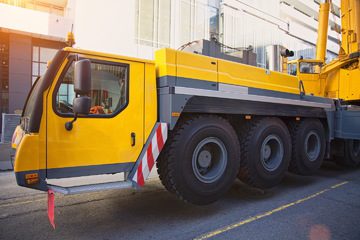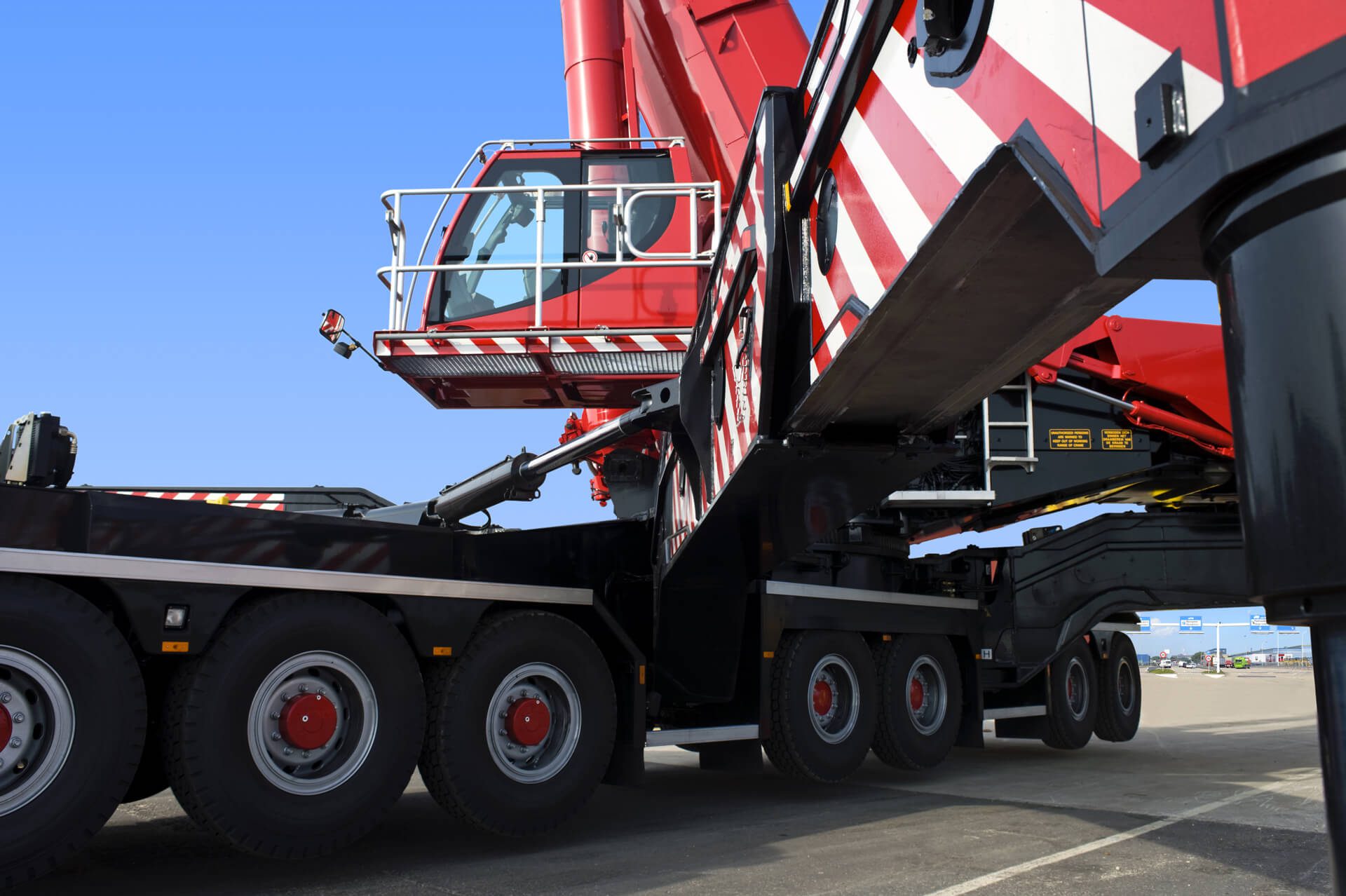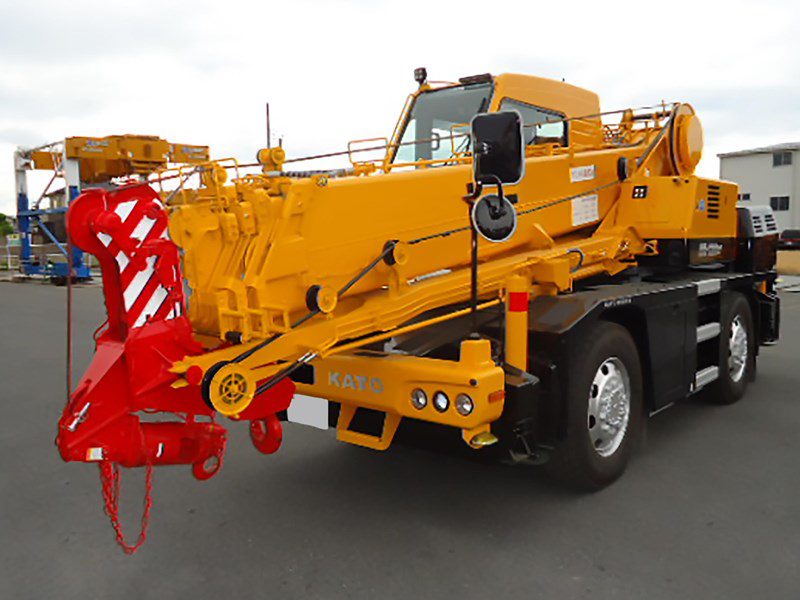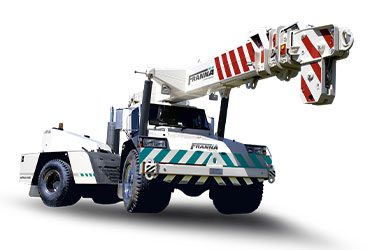
Australia’s construction sector is defined by scale, geographic diversity, and regulatory complexity. From major transport corridors to inner-city residential towers, cranes have become a visible indicator of economic activity and urban growth. Yet for many contractors, developers, and infrastructure firms, a fundamental question persists: is it more strategic to rely on mobile crane hire, or to invest in outright ownership? The answer is neither simple nor universal. It depends on project profiles, capital strategy, compliance obligations, and the increasingly sophisticated demands of urban construction, including city crane hire northern sydney and other constrained metropolitan markets.
The Strategic Role of Cranes in Modern Australian Construction
Cranes underpin nearly every major construction and infrastructure project in Australia. Mobile cranes, in particular, occupy a distinct role due to their versatility, rapid deployment, and ability to operate across multiple sites. In an industry facing labour shortages, rising material costs, and tighter project timelines, flexibility has become a strategic asset rather than a convenience.
Mobile crane hire has emerged as a dominant model for many businesses seeking to manage capital expenditure while retaining access to modern lifting capacity. This approach aligns with broader trends in the Australian construction economy, where asset-light strategies are increasingly favoured to preserve cash flow and respond to fluctuating workloads. At the same time, some large contractors continue to purchase cranes to secure long-term availability and control over critical plant resources, particularly on multi-year infrastructure programs.
Hiring Versus Buying: A Structural Comparison
The decision to hire or buy a mobile crane reflects deeper differences in how businesses manage risk and operational complexity. Ownership offers certainty of access and can be cost-effective for firms with consistent, high utilisation rates. However, this model also concentrates risk. Maintenance, storage, insurance, compliance upgrades, and eventual obsolescence all sit with the owner, regardless of market conditions.
By contrast, mobile crane hire distributes many of these risks across the supply chain. Contractors can select crane capacities tailored to specific lifts, rather than adapting projects to the limits of owned equipment. This distinction is particularly relevant in dense urban environments, where access constraints, oversailing rules, and variable load requirements demand precise equipment matching. In locations such as city crane hire northern sydney, where residential density and traffic management considerations are acute, the ability to source fit-for-purpose cranes on demand has become a defining operational advantage.
Deployment Across Infrastructure and High-Rise Projects
Australia’s infrastructure pipeline spans highways, rail corridors, ports, and renewable energy assets, each with distinct lifting requirements. Large-scale civil works often favour long-term crane deployment, which can justify ownership for principal contractors managing stable, predictable workloads. Even in these contexts, however, specialist lifts frequently rely on hired mobile cranes with higher capacities or unique configurations.
High-rise and inner-city construction presents a different calculus. Projects are often staged, with varying lift demands over time. Mobile crane hire allows builders to scale capacity up or down as structures rise, minimising idle equipment and site congestion. This adaptability is increasingly important as planning authorities impose stricter controls on site footprints and neighbourhood impacts.
Urban infill projects also face heightened scrutiny around noise, traffic disruption, and public safety. The use of modern, well-maintained hired cranes can reduce unplanned downtime and improve compliance outcomes, a factor that has become central to project risk management.
Financial and Operational Implications
From a financial perspective, buying a crane represents a significant capital commitment, often tied to long depreciation cycles. In an environment of interest rate volatility and margin pressure, many Australian construction firms are reassessing whether such capital intensity aligns with their balance sheets. Mobile crane hire converts these fixed costs into variable expenses, improving financial flexibility and project-level cost transparency.
Operationally, ownership requires in-house expertise to manage maintenance regimes, operator training, and compliance documentation. While larger firms may absorb these requirements, smaller and mid-sized businesses often find that hiring reduces administrative burden and allows management to focus on core construction activities rather than plant oversight.
Safety Standards and Compliance Frameworks in Australia
Safety and regulatory compliance are central to the hire-versus-buy debate. Australian crane operations are governed by a combination of national standards and state-based enforcement. Standards such as AS 1418 for cranes and AS 2550 for safe use establish technical and operational requirements that apply regardless of ownership. WorkSafe authorities in each state and territory enforce these standards, with significant penalties for non-compliance.
Hiring arrangements can simplify compliance, as crane providers are typically responsible for ensuring equipment meets current standards and undergoes regular inspection and certification. For owners, the obligation to track regulatory updates and implement modifications rests entirely in-house. As standards evolve, particularly in response to safety incidents or technological change, the cost and complexity of maintaining compliance can increase materially.
Licensing, Workforce Skills, and Regulatory Oversight
Crane operation in Australia requires licensed operators, with high-risk work licences issued under nationally harmonised frameworks. Both hired and owned cranes must be operated by appropriately qualified personnel, but hiring often provides access to operators familiar with specific crane models and site conditions. This can reduce the learning curve and enhance safety outcomes, particularly on complex lifts.
Regulatory oversight has intensified in recent years, with greater emphasis on documented lift planning, risk assessments, and operator competency. These expectations apply uniformly across the sector, but the administrative load can differ significantly depending on whether a business maintains its own fleet or relies on mobile crane hire.
Technological Advancements and Industry Innovation
Technological change is reshaping crane operations, with advances in load monitoring systems, telematics, and remote diagnostics becoming increasingly standard. These innovations improve safety, precision, and asset utilisation but also accelerate equipment obsolescence. For owners, staying current with technology can require ongoing capital investment. Hiring models, by contrast, allow businesses to access newer equipment without bearing the full cost of technological turnover.
Digital integration is also influencing project management, as crane data feeds into broader site coordination systems. This trend reinforces the appeal of flexible access to modern cranes, particularly in metropolitan projects where coordination across multiple contractors is critical.
Regional and Urban Market Dynamics
Australia’s geographic diversity means that crane strategies often vary by region. In metropolitan centres such as Sydney, Melbourne, and Brisbane, space constraints and regulatory complexity favour adaptable solutions. The prominence of city crane hire northern sydney reflects these dynamics, where projects must balance engineering requirements with community impact and planning controls.
In regional and remote areas, ownership may still offer advantages where access to hire fleets is limited or mobilisation costs are high. Even here, however, hybrid models are emerging, with businesses owning core equipment while supplementing capacity through mobile crane hire during peak periods.
Weighing Strategic Fit Rather Than Universal Answers
Ultimately, the choice between mobile crane hire and buying is less about identifying a universally superior option and more about aligning equipment strategy with business objectives. Factors such as project duration, utilisation rates, regulatory exposure, and financial resilience all shape the decision. As Australia’s construction sector continues to evolve, driven by urbanisation, infrastructure investment, and technological change, flexibility and compliance are becoming as important as raw lifting capacity.
For many businesses, particularly those operating across varied project types and locations, hiring offers a way to remain responsive without overextending capital or administrative resources. For others, ownership remains a deliberate strategic choice grounded in scale and certainty. In both cases, the decision reflects broader shifts in how Australian construction firms manage risk, efficiency, and long-term sustainability in an increasingly complex operating environment.