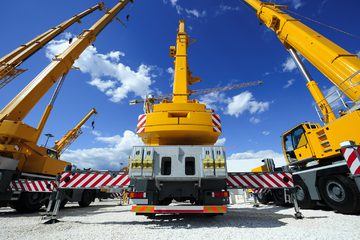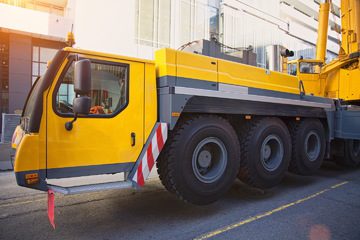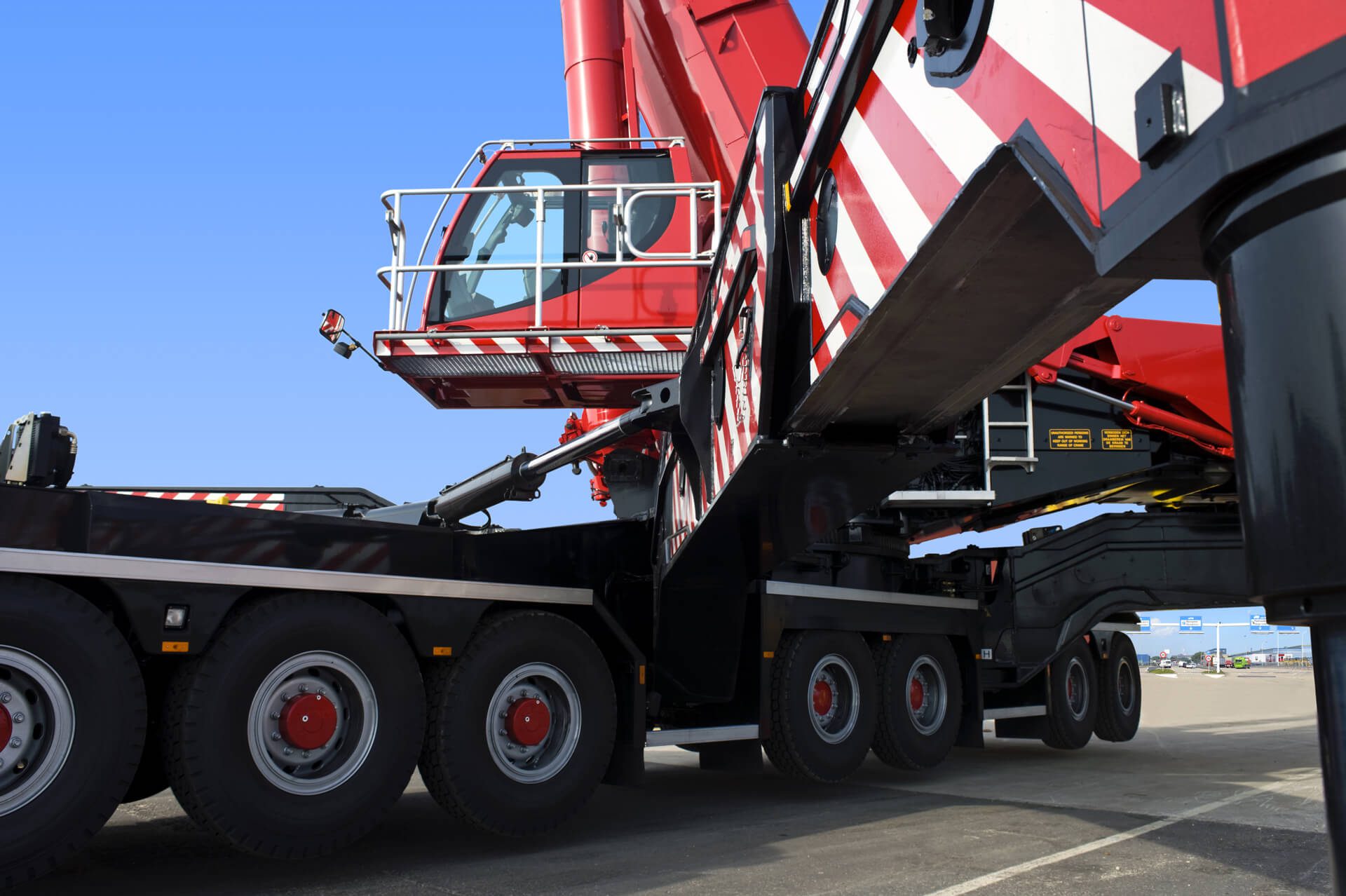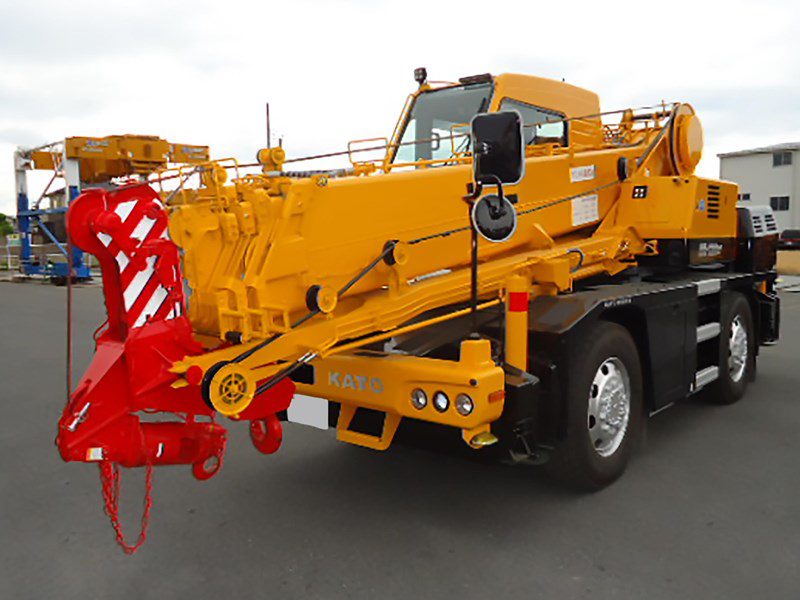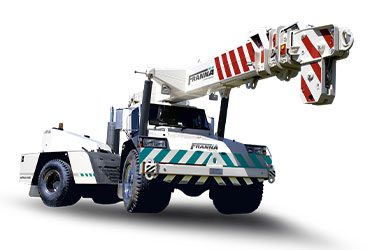
Selecting the appropriate mobile crane size has become a critical planning decision across Australia’s construction and infrastructure sector. As projects grow more complex and sites more constrained, crane capacity is no longer a purely technical choice left to operators. Instead, it is a strategic consideration that affects safety, compliance, scheduling, and cost certainty. From regional developments to dense urban builds, understanding how crane size aligns with project requirements is central to modern construction management.
In this context, mobile crane hire has evolved into a sophisticated service that supports a wide range of lifting tasks, while regional markets such as crane hire southern highlands reflect how local terrain, access, and regulation influence crane selection.
Understanding Mobile Crane Capacity in Practical Terms
Mobile crane size is typically defined by maximum lifting capacity, expressed in tonnes. However, this figure alone provides an incomplete picture. Actual lifting capability depends on multiple variables, including boom length, operating radius, ground conditions, and load configuration. A crane rated for 100 tonnes may lift far less at extended reach or uneven terrain.
For project planners, this complexity means crane selection must be tied to the heaviest load, the furthest lift distance, and the most restrictive site condition. In Australia’s construction sector, conservative capacity planning is common, reflecting both regulatory expectations and industry risk management practices.
The Strategic Role of Mobile Cranes in Australian Construction
Mobile cranes play a foundational role in Australia’s built environment, supporting everything from transport infrastructure to commercial developments and energy projects. Unlike fixed tower cranes, mobile units offer flexibility, rapid mobilisation, and adaptability across varied sites.
Mobile crane hire has therefore become integral to project sequencing. Cranes are deployed not only for major structural lifts but also for staged operations such as plant installation, modular construction, and maintenance works. In regional areas, including the Southern Highlands, mobile cranes often represent the only viable lifting solution due to limited space for permanent crane installations.
This strategic importance means crane sizing decisions are closely linked to broader construction planning, including logistics, workforce coordination, and safety oversight.
Matching Crane Size to Project Type
Infrastructure projects such as bridges, rail upgrades, and utilities typically require higher-capacity cranes with extended reach. These projects often involve prefabricated components, heavy precast elements, and complex lift paths. Larger mobile cranes offer stability and load margin, which is particularly important when working over live traffic corridors or existing assets.
In high-rise construction, crane size is influenced by both load and access. While tower cranes dominate vertical builds, mobile cranes are essential for erection, dismantling, and heavy lifts beyond tower crane capacity. In dense urban environments, crane size must also account for oversailing restrictions and proximity to neighbouring properties.
Smaller commercial and industrial projects, by contrast, often rely on mid-range mobile cranes. These units balance lifting capability with manoeuvrability, making them suitable for constrained sites without excessive ground preparation.
Regional Considerations and Site Constraints
Crane hire southern highlands illustrates how regional factors shape crane selection. Projects in this area may face uneven terrain, limited road access, and environmentally sensitive surroundings. Larger cranes require significant setup space and engineered pads, which may not be feasible on all sites.
As a result, planners often favour cranes that provide sufficient capacity without exceeding site limitations. This trade-off underscores why crane size decisions are rarely about maximum capability alone. Instead, suitability is defined by how well the crane integrates with site conditions, access routes, and surrounding infrastructure.
Safety Standards and Regulatory Frameworks
Australia’s crane operations are governed by a robust regulatory framework designed to minimise risk. Work health and safety legislation, enforced by state-based WorkSafe authorities, places clear obligations on duty holders to ensure lifting operations are planned, supervised, and executed safely.
Standards such as AS 2550, which addresses safe use of cranes, and AS 1418, which covers crane design, provide technical guidance that directly influences crane sizing decisions. Selecting an undersized crane can increase the likelihood of overload conditions, while oversized equipment may introduce unnecessary complexity and risk during setup.
Regulators expect crane selection to be supported by documented lift studies, particularly for complex or high-risk lifts. These studies assess load weights, crane capacity charts, ground bearing pressures, and environmental factors such as wind.
Licensing and Competency Requirements
Crane size also affects licensing requirements for operators and doggers. In Australia, high-risk work licences are issued based on crane class, with larger cranes requiring higher levels of competency. This regulatory structure reinforces the importance of matching crane size to actual project needs, rather than defaulting to larger equipment without operational justification.
From a project management perspective, aligning crane size with available licensed personnel is essential to maintaining compliance and avoiding delays.
Technological Advances Influencing Crane Selection
Advancements in crane technology have expanded the effective capabilities of modern mobile cranes. Computerised load moment indicators, real-time monitoring systems, and enhanced stabilisation technologies allow operators to manage lifts with greater precision.
These innovations have, in some cases, enabled smaller cranes to perform tasks previously requiring larger units. However, technology does not eliminate physical limits. Instead, it supports safer decision-making within established capacity parameters.
Digital planning tools are increasingly used during the crane selection phase, allowing engineers to model lift scenarios and assess whether a proposed crane size meets safety and performance requirements.
Balancing Efficiency and Risk
From an efficiency standpoint, selecting the correct crane size can reduce mobilisation costs, setup time, and site disruption. Oversized cranes may require road closures, additional permits, and extended assembly periods. Conversely, undersized cranes can lead to multiple lifts, reconfiguration, or aborted operations.
The industry trend is toward right-sizing equipment based on detailed planning rather than conservative overestimation. This approach aligns with broader sustainability goals by reducing fuel consumption, emissions, and site disturbance.
Mobile crane hire providers increasingly collaborate with engineers and project managers during early planning stages, reflecting the recognition that crane size is a strategic variable rather than a last-minute operational choice.
Environmental and Community Considerations
Environmental impact and community disruption are becoming more prominent factors in crane selection. Larger cranes typically generate more noise, require heavier transport movements, and impose greater ground pressure. In residential or environmentally sensitive areas, these factors can influence approvals and community acceptance.
In such contexts, crane hire southern highlands projects often prioritise cranes that balance capability with minimal site impact. This approach reflects a broader shift in Australian construction toward socially responsible project delivery.
Making an Informed Crane Size Decision
Determining the appropriate mobile crane size requires a holistic assessment of load characteristics, site conditions, regulatory requirements, and project sequencing. While capacity ratings provide a starting point, they must be interpreted within the operational realities of each site.
For industry professionals, the key lesson is that crane size decisions are inseparable from broader project governance. They intersect with safety management systems, regulatory compliance, workforce planning, and environmental considerations.
As Australia’s construction sector continues to evolve, the question of what size mobile crane is needed for a given project will remain a central, and increasingly strategic, aspect of infrastructure delivery.